



Reviewed by: Y. Garcia
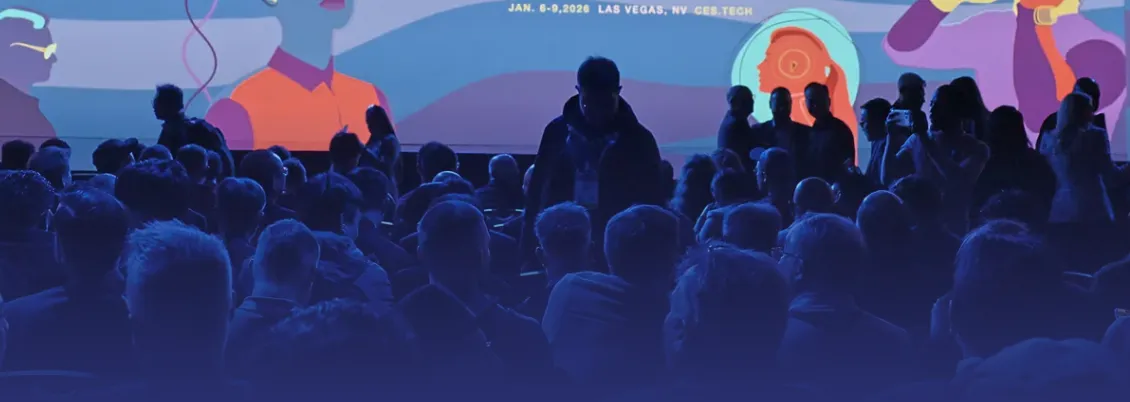
CES 2026 ran Jan. 6–9 in Las Vegas, and this year's show delivered exactly what Android users have been waiting for — genuine innovations that solve real problems rather than flashy tech demos. From revolutionary wearables that seamlessly integrate with Google's ecosystem to smart home devices that finally make Android the central hub we've always needed, CES 2026 showcased the future of the Android experience.
What struck me most about this year's show wasn't the usual parade of concept devices, but how deeply integrated Android has become across every category of consumer technology. Companies aren't just building gadgets anymore — they're creating comprehensive ecosystems where your Android phone, watch, tablet, and smart home devices work together in ways that feel genuinely magical rather than merely convenient.
Android Wearables Finally Hit Their Stride
The wearable space delivered some of the most compelling Android innovations at CES 2026, with manufacturers moving far beyond basic fitness tracking into territories that genuinely extend your smartphone's capabilities. TCL's RayNeo Air 4 Pro glasses pack HDR micro-OLED screens that hit up to 1,200 nits of brightness, making them genuinely usable in bright outdoor conditions — a breakthrough for Android XR applications.
But the real game-changer is how these devices integrate with Android's expanding health ecosystem. Motorola unveiled the new Moto Watch, featuring an elegant design with fitness monitoring powered by Polar, creating seamless data flow between your wrist and Android Health. The Luna Band positioned itself as a direct Whoop alternative, offering subscription-free health tracking that syncs perfectly with Google Fit and Android's wellness APIs.
The standout innovation came from Project Luci by Memories.ai — a compact, magnetic AI pin functioning as a searchable digital archive of daily life, with a 12MP ultra-wide camera, dual microphones, and semantic search capabilities. This device demonstrates how Android's AI capabilities can extend beyond your phone screen into ambient computing that actually enhances daily life rather than interrupting it.
Smart Home Integration Reaches Android Ecosystem Maturity
Android's role as the smart home hub finally reached its full potential at CES 2026. Samsung's Bespoke AI Refrigerator Family Hub became the first home appliance to integrate Google Gemini, creating natural conversation flows between your kitchen and your Android devices. The AI Food Manager doesn't just track ingredients — it syncs with your Google Assistant routine to suggest recipes based on what's actually in your fridge.
The breakthrough here isn't individual smart appliances, but how they work together through Android's Matter compatibility and Google Assistant integration. Samsung's AI Wine Manager recognizes wine bottle labels and tracks detailed information like grape variety and vintage, while automatically updating your Google Shopping lists and calendar reminders for optimal drinking windows.
Even more impressive is Samsung's AI Hybrid Cooling technology — the world's first system that detects usage conditions and adjusts cooling methods in real time. The system operates different power sources separately or together as needed, reducing energy consumption while maximizing efficiency — all controllable through your Android device with energy usage data flowing directly into Google Home.
The robot revolution also arrived with Android at its core. LG's CLOiD robot can retrieve milk from the fridge, place croissants in the oven, and fold laundry, but what makes it truly useful is its deep Android integration. Commands flow naturally from Google Assistant, task completion notifications appear on your Android lock screen, and the robot's visual recognition systems share data with your Google Photos library to understand household patterns.
Foldable Android Devices Define the Future
The foldable category felt like it finally hit mainstream readiness at CES 2026, with Android manufacturers delivering devices that solve actual productivity challenges. Samsung's Galaxy Z TriFold is a dual-folding, three-panel phone with a 10-inch display expected to launch in 2026. The device creates a less chunky feel with better aspect ratios for content consumption — addressing two major complaints about current foldables while maintaining full Android app compatibility.
Motorola's Razr Fold marks the company's first book-style foldable with a 6.6-inch external screen and 8.1-inch main display. It supports the new Moto Pen Ultra stylus and features a 50MP camera system with Sony sensors. What's particularly impressive is how Motorola positioned this as a direct challenger to Samsung's dominance while maintaining deep integration with Google services and Android productivity features.
The productivity implications are enormous. These devices finally deliver on Android's desktop mode promise, offering laptop-like experiences for Google Workspace applications while maintaining access to the full Android app ecosystem. The external displays aren't afterthoughts — they're fully functional Android interfaces that let you triage notifications, respond to messages, and control smart home devices without opening the main screen.
Android AI Integration Done Right
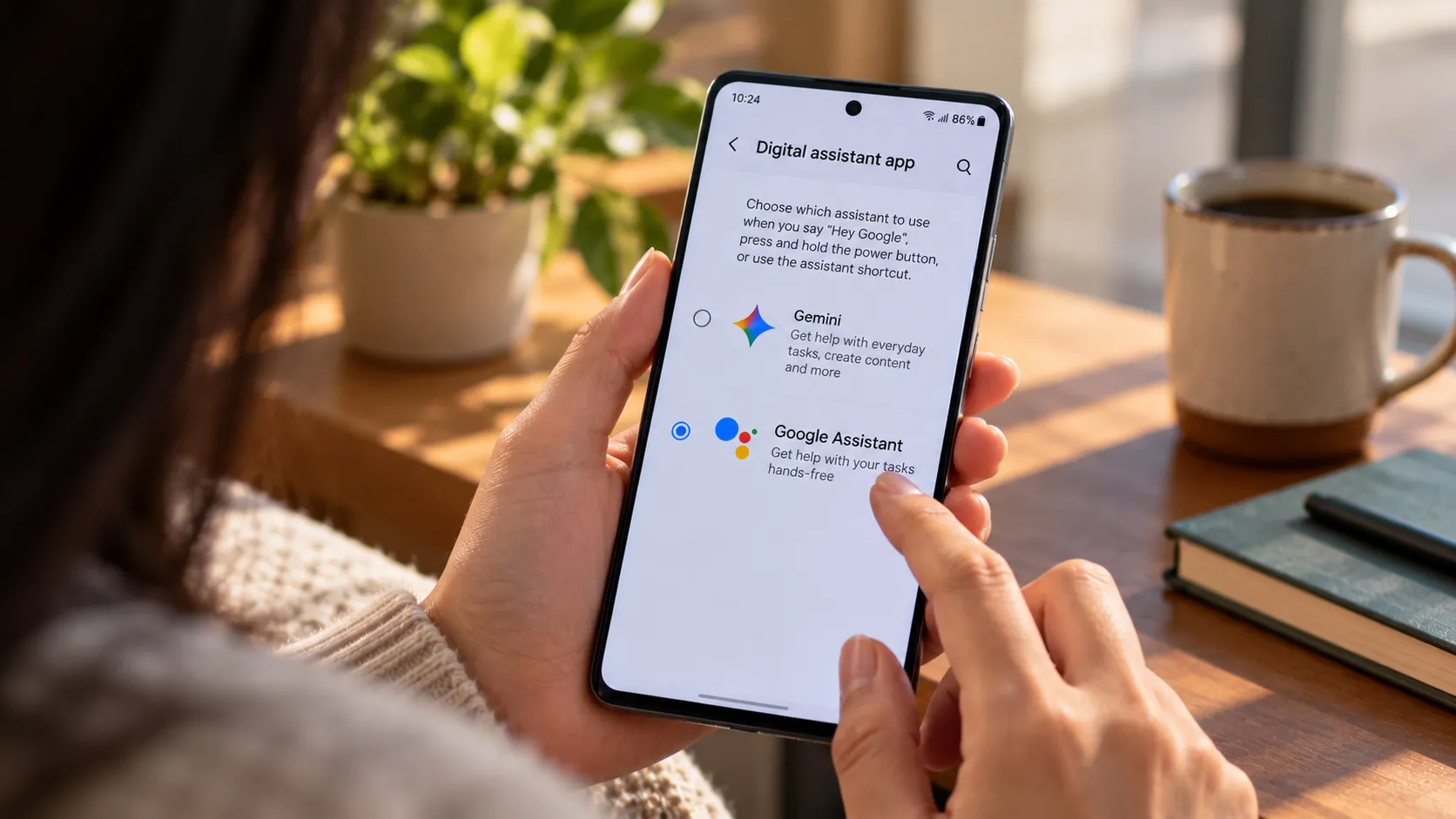
Unlike previous years, where AI felt forced into products, CES 2026 showcased thoughtful Android ecosystem integration that actually improves daily workflows. Google's new Gemini features for TV let you have natural conversations with your television through Android TV OS 14 — asking for show recommendations based on two people's tastes, getting plot recaps, or simply saying "the screen is too dim" to adjust settings automatically.
The visual framework adapts to individual queries, combining text, imagery, video context, and real-time sports updates as needed. You can even query your Google Photos library for specific people or moments and turn memories into cinematic slideshows — all through voice commands that work seamlessly with your Android phone's Google Assistant.
Motorola and Lenovo's Qira assistant represents the future of Android AI integration — an always-on, system-level assistant that works across Android devices without requiring you to think about which device you're using or where the processing happens. The system won Best AI Tech at CES 2026 for blending on-device and cloud processing across phones, tablets, and PCs without making users think about where computation happens.
This represents a fundamental shift in Android AI strategy — instead of separate apps for different AI functions, we're seeing system-level intelligence that enhances every interaction across the entire Android ecosystem.
Android XR Takes Center Stage
Perhaps the most exciting development was Android XR's massive presence at the show. Google lit up the Las Vegas skyline by turning the Sphere into an immersive showcase for its new spatial computing operating system. This wasn't just a marketing spectacle — it demonstrated how Android XR creates practical applications for augmented reality that extend your phone's capabilities rather than replacing them.
Google is positioning Android XR as the 'Android of the XR world', and the hardware partnerships announced at CES 2026 suggest this strategy is working. Google named Xreal its lead glasses partner, with Project Aura set for 2026, promising seamless integration between AR experiences and your existing Android device ecosystem.
Mobile Productivity Reaches New Heights
The mobile productivity space showcased Android innovations that eliminate the friction between mobile and desktop work. Samsung showcased a creaseless foldable display that could revolutionize how we think about Android tablets and productivity devices. Meanwhile, Motorola's Signature smartphone promises seven years of Android updates with a 6.8-inch display reaching 6,200 nits brightness and 165Hz refresh rate — specifications that make serious productivity work genuinely comfortable on a mobile device.
The breakthrough came from accessories that maximize Android's existing capabilities. The Mcon MagSafe game controller with joysticks and control keys, compatible with Android smartphones, costs $150 and demonstrates how Android gaming can achieve console-level experiences. Clicks announced two accessories: the Power Keyboard that functions as both a MagSafe keyboard and a wireless charger, and the Clicks Communicator that operates like a BlackBerry with a physical QWERTY keyboard, display, and microSD slot.
These aren't just accessories — they're ecosystem extensions that leverage Android's flexibility to create specialized workflows without sacrificing the mobility that makes Android devices compelling in the first place.
Where Android Ecosystem Innovation Heads Next
The Android innovations showcased at CES 2026 point toward an ecosystem that's becoming more integrated, intelligent, and capable of adapting to individual user needs without requiring technical expertise. The emphasis on local AI processing, privacy-conscious design, and seamless device interaction suggests Google and its partners are building an Android future that truly serves users rather than just impressive demo videos.
The Best of CES 2026 winners highlight where consumer tech is actually heading: more local AI processing, lighter and more modular hardware, practical applications for emerging technologies, and a renewed focus on solving everyday problems rather than chasing specifications alone. Android is perfectly positioned to lead this transition because of its flexibility and openness to hardware innovation.
What's most promising is how these innovations focus on solving practical problems that Android users actually face. Whether it's wearables that provide genuinely useful health insights integrated with Google's wellness platforms, smart home systems that enhance daily routines through Google Assistant, or productivity tools that eliminate the friction between mobile and desktop Android experiences, these products represent meaningful progress for people who have chosen Android as their primary computing platform.
As these innovations reach market throughout 2026, Android users can look forward to an ecosystem that's not just more powerful, but more thoughtfully designed around the way people actually live, work, and interact with technology. The Android advantage has always been choice and customization — CES 2026 showed us that advantage extending across every aspect of our digital lives.
Image source: CES


Comments
Be the first, drop a comment!