



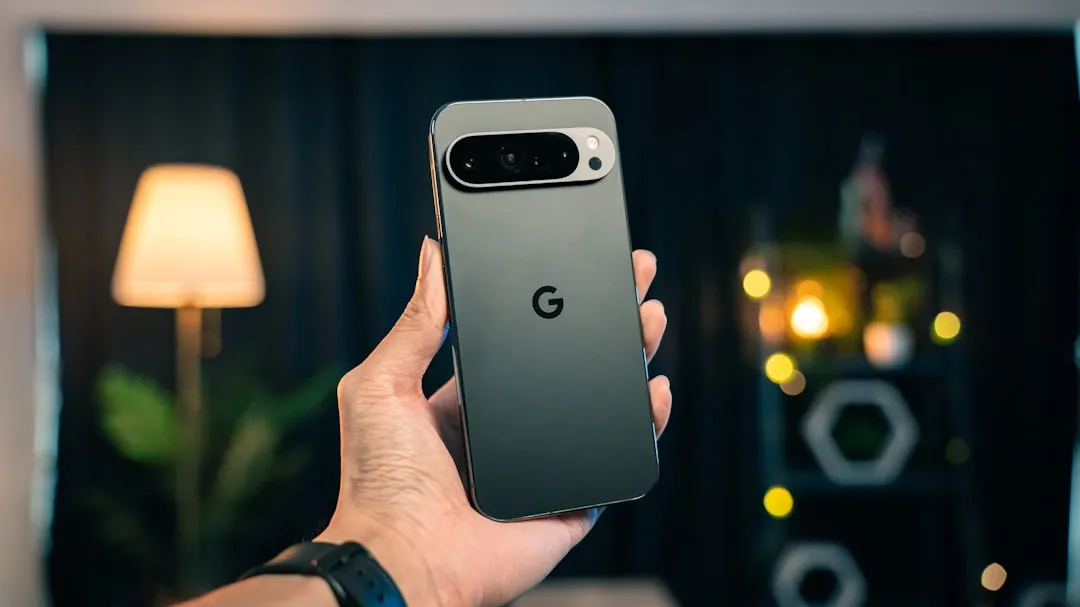
Pixel 11 Camera Features Explained: Claims vs. Comparisons
In yesterday's announcements, Google detailed three headline Pixel 11 camera features, and the coverage that followed backs up a rival comparison for exactly one of them. How-To Geek writes that Camera Looks "parallels Apple and Samsung features that let you adjust photo styles to match your tastes" (How-To Geek). Magic Capture and the Pro line's 8K Pro Stable Video mode don't have a named comparison point anywhere in the reporting reviewed here. That's not proof Google invented something unprecedented; it just means nobody has published a documented comparison yet.
The pitch behind all three features leans on automation layered over new hardware. Magic Capture runs on-device intelligence and Gemini models to analyze roughly 400 frames per shot before producing a single photo (Google). That software sits on top of a new, larger main sensor that Google says delivers 56% more light sensitivity on the base Pixel 11 and Pro Fold (Google). None of it comes cheap. How-To Geek reports Google raised prices $100 across the lineup, tying the increase to rising component costs also hitting other phone makers (How-To Geek).
What follows checks each of the three headline claims against the record: what the feature does, whether a comparable tool exists on record, and what's still unresolved. A fourth section looks at the hardware feeding all three, plus one feature, HiLight, that isn't chasing a rival comparison at all.
Camera Looks: the one Pixel 11 camera feature with a documented parallel
Camera Looks lets users set a new default photo look instead of settling for Pixel's standard output. Google's version offers three alternatives to that default: Natural for relaxed detail, Shadows for deeper contrast, and Vanilla for a warmer, golden tone (Google). Six more presets, Digi, Black Tie, Minimal, Editorial, Classic, and Velvet, are available for anyone who wants more control over the look (Google).
That's nine total styles across two tiers. How-To Geek is the source that puts the feature in context, writing that it "parallels Apple and Samsung features" for adjusting tone and color to personal taste (How-To Geek). Apple sitting next to Samsung in that comparison matters: it makes Camera Looks a smartphone-wide catch-up, not an Android-specific one.
One detail the reporting doesn't settle is whether the styles apply at capture, changing what the sensor and processor produce, or afterward as a filter over an image that's already been taken. If it's the former, that's a meaningfully different workflow than a post-capture filter, but How-To Geek names the comparison category, not the implementation detail, on either side of the comparison. That's the open specification worth watching, not whether Google copied anyone.
For anyone who's manually adjusted color and contrast after every shot, nine built-in presets are a real convenience regardless of how they're applied. The open question for reviewers is how fast someone can actually switch between looks, and whether Pixel's version does more or less than what Apple and Samsung already ship.
Magic Capture: a real shift, no named rival
Magic Capture is built to move frame selection and light editing away from the person holding the phone. Tap the shutter, and the software analyzes about 400 frames using on-device intelligence and Gemini models before producing a single 12-megapixel photo (Google). It can also crop the image, remove blur, and start recording video the instant the shutter is tapped (How-To Geek). The Verge describes the result more plainly: images and video "ready to share with a tap" (The Verge).
The supplied coverage names no specific competitor's feature, product, or release date as a direct comparison for Magic Capture. That's a different situation from Camera Looks, where the category at least has a named precedent attached to it.
What the current reporting doesn't establish is what happens after that 400-frame analysis finishes. Is the 12-megapixel file the only output, or can a user pull a different frame from the batch Magic Capture already scanned? Whether the automatic crop and unblur edits are reversible, or locked in the moment the shutter releases, is also left open. Those questions matter more than the precedent question, because they determine how much control a photographer keeps once the software takes over.
One number is worth sitting with regardless of precedent: Magic Capture's 12-megapixel output sits below the resolution of the sensors feeding it, a gap covered in the next section. Why Google settled on that ceiling is the kind of thing independent reviewers can only test once they're shooting with retail hardware instead of relying on launch-day descriptions.
Pixel 11 camera upgrades: the hardware behind Magic Capture and 8K video
The Pixel 11 line splits into two camera hardware tiers, which matters for reading the software claims above. How-To Geek reports that Pixel 11 and Pixel 11 Pro Fold camera features share a 48-megapixel main sensor with 56% higher light sensitivity, paired with a 10.8-megapixel telephoto sensor offering 5x optical and 30x software zoom (How-To Geek). Google's own description of the Pro Fold matches that, citing a "new 48MP main camera and telephoto camera with up to 30x Super Zoom" (Google).
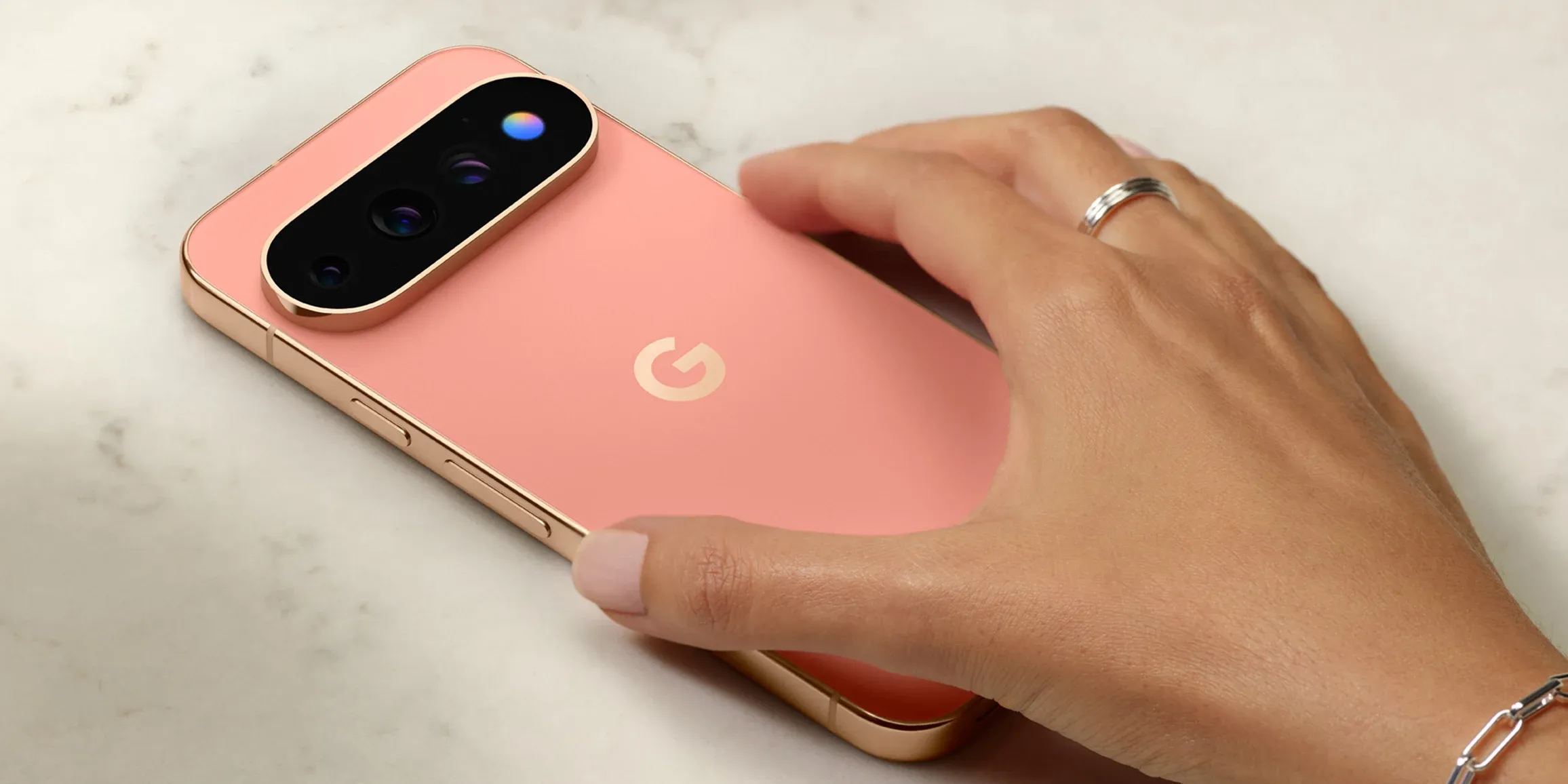
The Pixel 11 Pro and Pro XL carry a different sensor: a 50-megapixel main camera built around a larger 1/1.3-inch chip that Google says captures 32% more light, a figure The Verge also reports (The Verge). Their telephoto camera is a redesigned 48-megapixel, 5x sensor that Google says now supports Pro Zoom up to 120x, powered by the Tensor G6 chip (Google; How-To Geek). Portrait Mode now works at 5x zoom on the Pro models, and the Pro XL's front camera jumps to 42 megapixels, according to The Verge (Google; The Verge).
Those sensor differences make the 12-megapixel Magic Capture output worth examining. A photo from the base Pixel 11's 48-megapixel sensor and one from the Pro XL's 50-megapixel sensor both funnel down to the same 12 megapixels once Magic Capture finishes processing. Whether that's a deliberate ceiling for speed and shareability, or a real limit for anyone who wants to crop tight or print large, isn't something the supplied sources establish. It's the kind of gap a side-by-side test could close quickly.
Google also credits Tensor G6's upgraded image signal processor with part of the low-light gains, saying Night Sight now captures images up to 4.5 times faster than before (Google). The supplied sources contain no independent benchmarking for these figures, the light-sensitivity percentages, the zoom ranges, the Night Sight speed. They're accurate accounts of Google's own claims about its Pixel 11 camera upgrades, not verified lab results.
HiLight: a new use for the camera flash
Not every camera-adjacent feature is chasing a photography spec. Pixel 11 Pro, Pro XL, and Pro Fold add HiLight, a notification system built around the LED lights already sitting next to the camera's flash (Google). How-To Geek describes it as "the previously-teased HiLight notification LED," noting it lands on the Pro, Pro XL, and Pro Fold models (How-To Geek).
The lights glow in different colors depending on what's happening: an incoming call from a favorite contact, an active WhatsApp message, or Gemini working on a hands-free request (Google; How-To Geek). Google says more capabilities, like message notifications from favorite contacts, are planned to arrive later (Google).
HiLight doesn't carry a rival comparison in the reporting because it isn't competing on picture quality. It repurposes camera hardware for something else: glanceable information without unlocking the phone. Whether that's a genuine convenience or a novelty that wears off is the kind of thing only sustained use, not a launch demo, can answer.
Pro Stable Video: what reviewers still need to test
Of the three features, Pro Stable Video has the thinnest paper trail. The Pixel 11 Pro and Pro XL record stabilized video at up to 8K resolution using Pro Stable Video with Video Boost (The Verge; How-To Geek). Google pairs it with a new Creator Suite that trims and rearranges clips, adds a built-in teleprompter, includes speech-clarity enhancement, and automatically files footage into a project album (The Verge).
No rival phone, release date, or matching implementation of 8K stabilized capture at this tier turns up anywhere in the coverage reviewed here. That's simply the state of the record, not a verdict on whether Google arrived first or last.
The open questions here are practical, not competitive. Whether 8K and Video Boost can actually run together without dropping frames is unconfirmed. Storage use for an 8K clip, any cap on recording length, and how much heat the phone builds up during extended capture are all untested by anything in this reporting. So is whether Creator Suite's editing tools run entirely on-device or depend on a cloud connection, which matters for anyone shooting somewhere without reliable service. Those are the tests that will decide whether Pro Stable Video is a genuine step forward for phone-shot video or a headline number that doesn't hold up once someone points the camera at something moving.
What this means for buyers
Two of the three camera claims examined here, Magic Capture and Pro Stable Video, don't have sourcing to support a copying claim in either direction. Camera Looks does, but the reporting only names a category to measure it against, Apple and Samsung's style tools, not a specific product with matching implementation details.
The bigger reminder is that launch-day coverage runs on company blog posts and the launch coverage reviewed here, not independent testing. That gap carries more weight given the price attached to it. The regular Pixel 11 starts at $899, and the Pro Fold now matches Samsung's Galaxy Z Fold 8 at $1,899 (How-To Geek). At those prices, buyers will reasonably expect flagship-level camera performance regardless of which company got there first.
Whether Pixel 11 delivers on that, and which of these three features Google actually leads on rather than simply matches, stays open until independent reviewers can put these phones next to named competitors and test the claims directly: frame control in Magic Capture, format compatibility in Pro Stable Video, and implementation detail in Camera Looks.



Comments
Be the first, drop a comment!