


Google Play foldable app ranking incentives: what changes in 2027
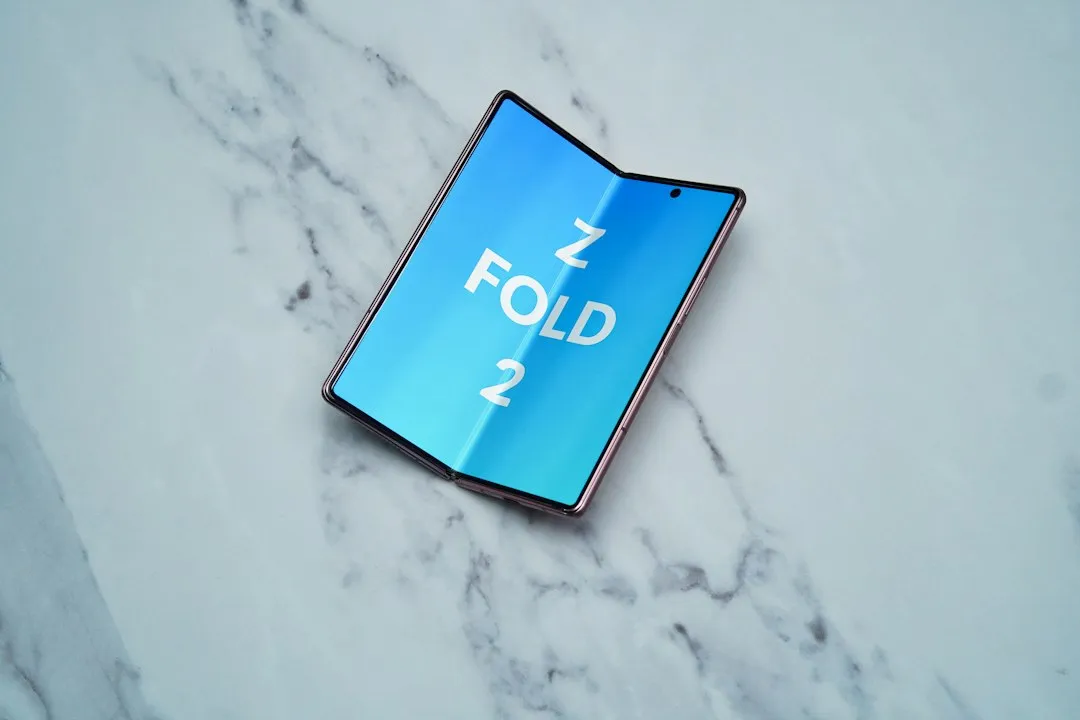
Google Play foldable app ranking incentives are arriving in 2027, aimed at a problem that foldable owners have put up with for years: apps that have no idea what to do with a hinge. Starting that year, the Play Store will evaluate how apps and games actually perform on foldable screens and reward the ones that adapt well with better search visibility and more prominent placement, according to Netzwelt, which covered the policy last week.
That's a discoverability change, not a repair job. This Google foldable app push for 2027 won't reach into a Galaxy Z Fold or Pixel Fold already sitting in someone's pocket and fix the apps already installed there, per the same report.
Between those two facts sits a lot of open territory: how Google will define "well-adapted," what happens to developers who never update, and what current owners, prospective buyers, and developers should actually do with an incentive that's still more than a year out. This piece separates what's confirmed about the 2027 policy from what's still undefined, and lays out what to do about foldable apps right now rather than waiting on a rollout.
The foldable app problem Google says it's done ignoring
Foldables have a display problem that's well documented at this point. Because of their unusual aspect ratios, app icons and interfaces can render incorrectly or shrink down to thumb-sized elements, according to Netzwelt. Instagram is the example Netzwelt points to directly: Reels reportedly still don't display at full size on foldable screens.
Google isn't treating this as someone else's problem. In developer guidance published earlier this year, the company told Android app makers to stop assuming a fixed portrait orientation, warning that apps built that way will likely produce sideways, stretched, or cropped previews during folding transitions, 9to5Google reported. That's Google naming the failure mode in its own documentation, not an outside reviewer guessing at it from a support forum.
Android foldable app optimization has lagged for years, and the guidance Google has published so far is narrower than the problem it describes. Google's language is built around what it calls "ultra-wide foldables," a category that, per 9to5Google, currently covers only a handful of devices, including the Galaxy Z Fold 8 and the original Pixel Fold. Most foldables on the market fall outside that specific label, which is one reason the eventual Play Store criteria need to spell out which foldable classes actually count toward a ranking boost.
What Google Play rankings for foldable apps will and will not change
It helps to separate three things that get blurred together in coverage of this policy: resizing, adaptive layout, and Play Store discoverability. They are not the same, and conflating them is exactly how this announcement gets overread.
A resizable app simply fills whatever screen it's handed, correct or not. An adaptive app is deliberately built so its layout responds to different screen sizes, window shapes, and multitasking states, tracking the space it actually occupies instead of assuming a fixed device size, a practice Google's guidance points to directly through tools like Jetpack Window Manager, per 9to5Google. Discoverability is the piece Google actually announced for 2027: a search and placement advantage for apps that clear whatever bar Google eventually sets.
What's confirmed is narrow but real. Google will evaluate app and game performance on foldables starting in 2027 and reward adapted apps with greater Play Store visibility and placement, and the company says it's shipping developer tools alongside the policy to help with that adaptation work, according to Netzwelt. Until now, the only real option for frustrated owners has been digging into individual device settings, Netzwelt notes, which is exactly the workaround this policy is meant to make unnecessary.
What isn't confirmed is the part that determines whether any of this actually changes developer behavior. Google hasn't published the exact criteria for when an app counts as "optimized," a gap Netzwelt's reporting traces back to earlier coverage of the announcement. That single missing detail is doing a lot of work: without it, a developer can't tell whether a modest layout tweak clears the bar or whether Google expects full hinge-awareness and tabletop support before handing out any visibility boost at all.
Vague criteria cut both ways. They give Google room to set a genuinely useful bar once it has more real-world data on what "adapted" looks like across different foldable shapes. They also leave room for an app to make a token gesture toward adaptive layout and still qualify for a ranking bump that implies far more polish than it delivers. Readers won't be able to tell which scenario they're looking at until Google actually publishes a standard.
There's a separate distinction worth holding onto here, too. A ranking boost helps an adapted app get found. It says nothing about whether that app actually works well on the specific foldable, software version, or window state a given reader owns. Treat the 2027 incentive as a discovery mechanism, not a quality guarantee, until independent testing of actual Play Store listings says otherwise.
Android 16 forces resizing, but it isn't foldable app optimization
Separate from the 2027 Play Store policy, Android 16 introduced a rule last year that changes how the OS handles apps that refuse to adapt. For apps targeting SDK 36, manifest attributes that restrict orientation or resizability are now ignored on large screens, a shift Android Police described as Google abandoning years of politely asking developers to cooperate.
That's a meaningful change, but it's worth staying skeptical about what it actually fixes. The rule removes a developer's ability to lock an app's layout or block resizing on large screens, and the app stretches or adjusts to fit the display whether the developer intended it or not, per Android Police. It doesn't guarantee the stretched result looks or functions well. An app that was never designed with a foldable's aspect ratio in mind can fill the screen and still misplace buttons, crop images, or leave dead space where content should be. Forced resizing exposes a layout problem; it doesn't solve one.
That leaves three separate timelines running at once, and they're easy to mix up. Android 16's resizing rule applies only to apps targeting the newer SDK, not universally across every app or every foldable. Manufacturer tools are a separate workaround: Samsung's Galaxy devices, in particular, offer scaling and compatibility options today, according to Netzwelt. Those settings help individual owners patch around a specific app's quirks, but they're not a platform-wide fix, and they vary by device and software version. The Play Store ranking incentive doesn't start until 2027, and even then it changes which apps get found, not what's already installed on a given phone. Treat any one of the three as a stand-in for the others and the gaps in foldable phone app support get easy to misjudge.
What Google still hasn't explained
A handful of unanswered questions stand between a credible plan and a proven fix.
The biggest is the scoring method itself. Google has said it will evaluate how apps and games run on foldables, but it hasn't described whether that evaluation involves automated testing, developer self-certification, or something else entirely. Nothing in Google's current developer guidance spells out a checklist; it offers general recommendations around fluid layouts, hinge awareness, and tracking actual window space, not a graded rubric.
A related question is scope: whether Google plans to evaluate every app already sitting in the Play Store catalog, or only apps that get updated after the policy takes effect. That distinction decides how quickly the broader catalog actually shifts, and nothing published so far addresses it either way.
Enforcement is the other open piece, and it follows directly from what Google has and hasn't said. The company has described the reward: more visibility for apps that adapt well. It hasn't said what happens to the apps that don't, whether they get actively pushed down in search results or simply skipped over for the extra promotional placement given to compliant apps. Those two outcomes carry very different stakes for a developer deciding whether adapting is worth the engineering time, and until Google clarifies which one it means, that calculation is still a guess.
What to do now
Foldable owners shouldn't wait on this policy to fix anything already installed. It won't, since the 2027 changes affect Play Store discoverability going forward, not apps already on a device, per Netzwelt. Test the apps relied on daily in every state they actually get used: unfolded, folded, split-screen with another app running, and tabletop mode if that's part of the routine. An app that looks fine unfolded can still crop content in split-screen or misplace controls in tabletop mode, and checking each state is the only way to know for sure. If an app like Instagram still misbehaves, check manufacturer-level scaling or compatibility settings first; Samsung's Galaxy devices offer some of these today, though options vary by model and software version.
Anyone shopping for a foldable shouldn't let this announcement push a purchase timeline. Google hasn't published qualifying criteria or said how it will treat apps that don't adapt, and the policy itself doesn't take effect until 2027. Judge a foldable on the app experience it delivers right now, with the apps actually planned for daily use, not on the promise that Google Play Store foldable app incentives will eventually sort things out.
Developers have the clearest path of the three groups, even without a published rubric. The current guidance, fluid layouts, Window Size Class tracking, hinge awareness, is the best signal available and worth building toward now rather than waiting. Treat it as preparation rather than certification, since none of it has been confirmed as the literal checklist the Play Store will score against once requirements land.
For everyone else, the practical move is patience paired with testing: check the apps already in daily rotation before assuming anything is broken or fixed, use whatever compatibility settings a device already offers, and don't treat a future ranking boost as proof that an app will work well on a specific foldable. Revisit this policy once Google actually publishes scoring criteria and says what happens to the apps that skip adapting.



Comments
Be the first, drop a comment!