



Intel Googlebook Android App Performance Issues Explained
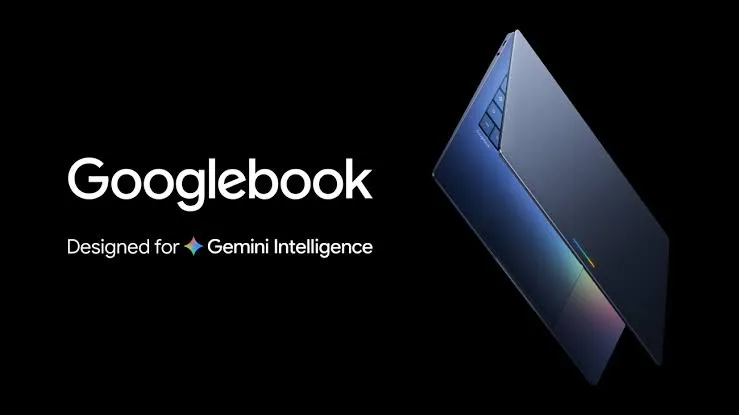
Google confirmed on Monday, the same day its five new Googlebook laptops went on sale, that a small handful of complex apps and games may not perform at their best on three of the five models. That statement is the first official acknowledgment of Intel Googlebook Android app performance issues, with Google telling Android Authority that the vast majority of Android apps still run smoothly on both Intel and Qualcomm Googlebooks right out of the box, according to reports from APH Networks and The Verge.
The statement addresses app performance specifically, not Intel Googlebook performance in general. Google said every Android app is available on all five models, but availability and smooth performance are not the same claim, per The Verge. The acknowledgment also arrived after the laptops were already for sale, not before, Tom's Hardware reported.
Which Googlebooks are affected
Three of the five new laptops run on Intel's Panther Lake chips: the Acer, Asus, and Lenovo models. The Dell and HP Googlebooks instead use Qualcomm's Snapdragon X Elite processors, according to APH Networks. The reported split follows the chip platforms: the three Intel models carry the caveat, while the two Qualcomm models use Arm-based processors.
All five laptops went on sale in the same launch window, with the European rollout reaching Britain, Ireland, France, and Germany the same day, The Next Web reported.
Google has also maintained that any Android app runs on Googlebook hardware, a claim distinct from a separate list of "optimized" apps the company curates inside the Play Store, XDA Developers reported. The reports do not establish that the optimized list guarantees performance on every other app in the catalog.
Why Android apps may not run smoothly on Intel Googlebooks
Many Android apps were originally designed for Arm processors. Intel's x86-based Googlebooks run them through a translation layer, while Qualcomm's Snapdragon chips run Android apps natively, since they're built on Arm architecture, XDA Developers reported.
Google laid out the tradeoff directly in its statement to Android Authority: "The vast majority of Android apps run smoothly across both Intel and Qualcomm Googlebooks right out of the box. Because many Android apps were originally designed for Arm chips, a small handful of complex apps or games need some developer tuning to run their best on Intel-based platforms. We're working hand-in-hand with app developers, Intel, and Qualcomm to continuously optimize performance and expand compatibility across the entire portfolio," Google told Android Authority, according to The Verge.
Google has flagged this kind of tradeoff before. The company has previously said running Arm code on x86-based Chromebooks lowers both performance and battery life, according to XDA Developers. The cited reports don't include side-by-side benchmarks confirming whether that same pattern shows up on the new Googlebook hardware specifically.
Because Qualcomm's chips process Arm code natively, The Verge's reporting suggests the Dell and HP models "should have greater compatibility" with the full Play Store catalog. That's an architectural expectation based on how the chips work, not a tested result. The cited reports don't provide independent testing establishing universal compatibility on either platform.
What Google has confirmed, and what it hasn't
Google has acknowledged a performance limitation affecting a small number of complex apps and games on Intel models, and says it's working with app developers, Intel, and Qualcomm to improve performance and widen compatibility over time, per Tom's Hardware. That's the extent of the official statement so far.
Several details remain unknown from the reporting so far:
- Which specific apps or games are affected. Google hasn't named a single one, per The Verge and Tom's Hardware.
- How many apps are involved, per The Verge.
- What the problem actually looks like. Google hasn't said whether it involves reduced frame rates, crashes, graphics glitches, battery drain, or something else.
- When improvements might arrive. Google's statement included no timeline, per APH Networks.
- How fixes would be delivered, whether through app updates, system updates, or changes to the translation layer itself, per The Next Web.
The cited reports don't identify an affected-app list, and Google hasn't named any affected apps. That gap matters most for anyone choosing between an Intel and Qualcomm Googlebook based on a specific game or app they already depend on.
What to do before buying or relying on one
For buyers whose purchase hinges on one demanding app or game, the missing app list makes waiting for independent testing the cautious option. A Qualcomm model is also worth weighing given its reported architectural edge for native Arm compatibility, though that edge remains an expectation rather than a confirmed result, so testing that specific app after purchase is still worthwhile even on Dell's or HP's hardware.
Buyers without a specific app dependency can reasonably move ahead with an Intel Googlebook. Confirming the retailer's return window and testing daily-use apps right after setup is a practical precaution, not evidence that the issue is widespread; Google itself says the vast majority of apps work fine straight out of the box.
Current Intel owners don't have an official affected-app list or repair schedule to consult, since neither appears in Google's statement or in the cited reporting. The reasonable approach is to keep using the laptop as intended, test the apps that matter most, and watch Android Authority and Google's own release notes for updates rather than assume a fix is already scheduled.
Buyers who depend on one demanding Android app should wait for hands-on testing or confirm the retailer's return policy before choosing an Intel model. Everyone else can buy with reasonable confidence, test priority apps immediately after setup, and treat any rough performance as a reason to check for updates rather than a sign the laptop is defective.









Comments
Be the first, drop a comment!