



Google Find Hub NFC tracker support: what it actually does
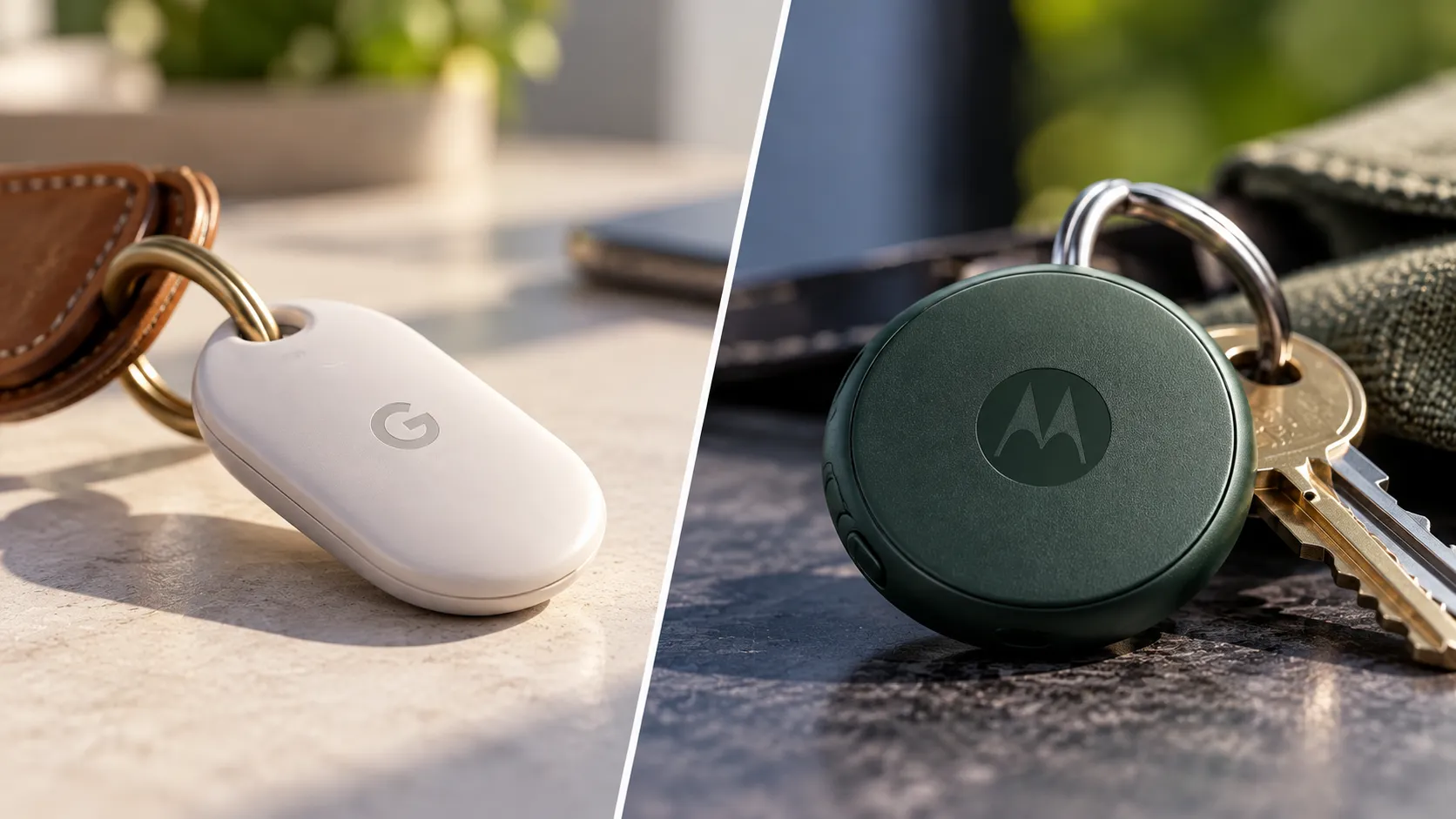
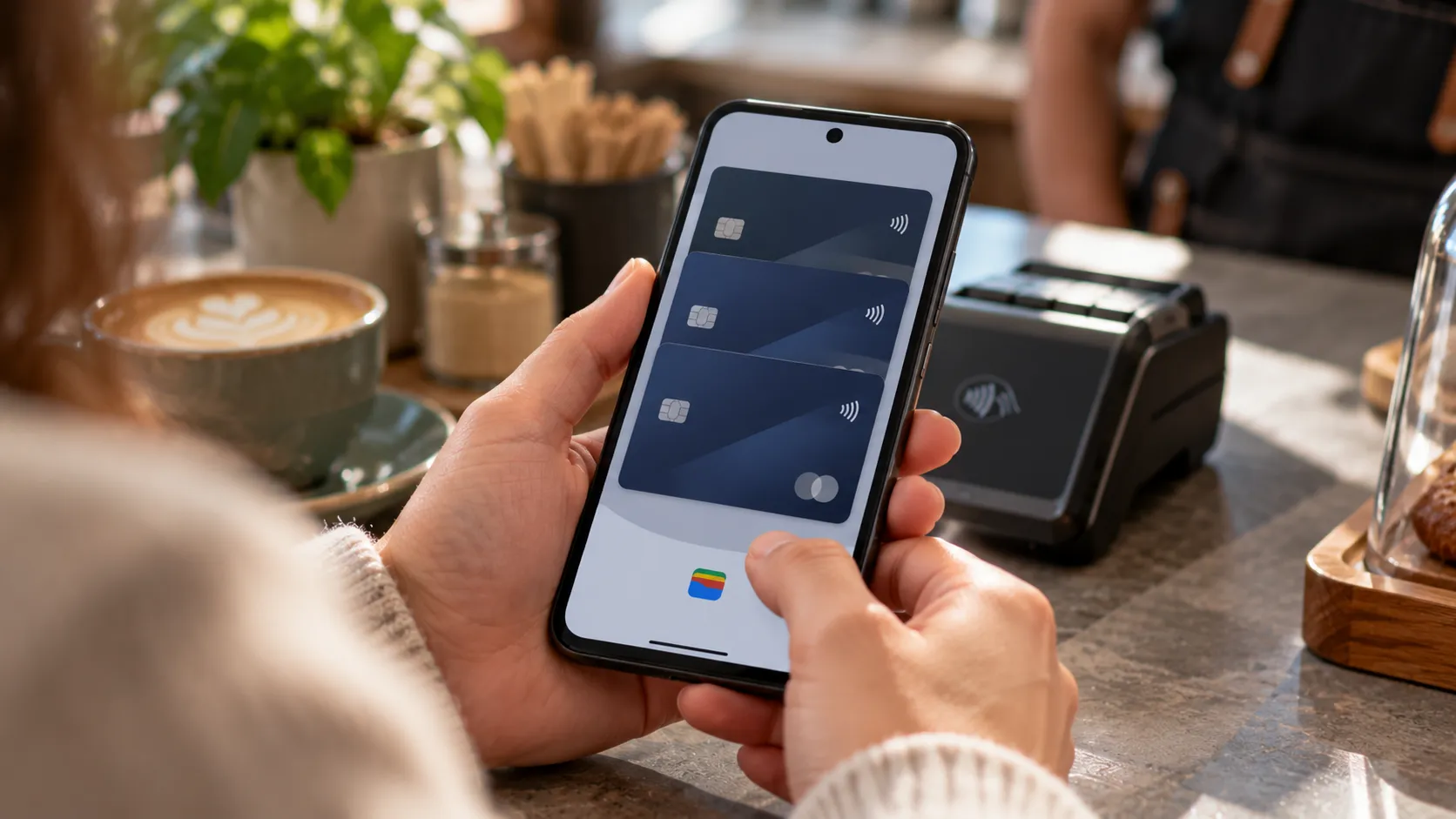
Google Find Hub NFC tracker support is rolling out via Play services version 26.39 and later, changing what happens the moment someone finds a lost tag. Tapping an NFC-compatible phone against an NFC-compatible Find Hub tag can surface its details and settings, or help identify a lost tag, according to 9to5Google. The same release lets owners name a tracker, assign it a category, and turn on Left-Behind Reminders during initial setup instead of circling back into the Find Hub app later, per 9to5Google.
Here's the catch: both the phone and the tag need NFC hardware, and NFC remains uncommon on Find Hub trackers right now, including reportedly on Google's own unreleased Pixel Tag, according to 9to5Google. Version 26.39 is the relevant build to look for, though the reporting doesn't establish how quickly the feature reaches every phone, or how many tags can actually use it yet.
What's new in the Google Play services v26.39 Find Hub update
Two separate features are being added in version 26.39, both filed under Security & Privacy in the release, per 9to5Google. One is NFC tap interaction with compatible tags. The other is a redesigned first-time setup flow for registering a new tag.
Google announced both as part of its October 2026 System Release Notes, published yesterday, a rollout Jetstream also tracked in its review of the update. The number that matters for checking whether a phone has it is the version itself, 26.39 or later, rather than any separate app to seek out and install.
How NFC support works with Google Find Hub trackers (identify a lost Find Hub tag)
Holding an NFC-enabled Android phone near an NFC-enabled Find Hub tag can quickly pull up that tag's details and settings, or help identify a lost tag, according to 9to5Google and Jetstream. That second case, a stranger trying to figure out whose tag they're holding, is the one worth paying attention to.
Today, identifying a lost tag means putting it into an identification mode first, and the exact steps differ from product to product, per 9to5Google. Tapping would be easier, according to the same report, though it doesn't describe this as a guaranteed single gesture that works identically across every tag on the market.
Picture a tag clipped inside a lost backpack. Whoever finds it gets a one-tap way to pull up whose it is, instead of fumbling through an identification mode or guessing at a serial number buried in the packaging. That's the practical shift this update is reaching for.
One detail here needs a tighter flag. Jetstream reports that a tap is expected to surface the registered owner's contact information, but that specific claim traces back to strings discovered in an earlier August build of Play services (version 26.33.60), not confirmed behavior in this October rollout. Treat that detail as unverified until Google documents it directly or someone tests it against a live tag.
Scope matters too: this identification feature only applies once an item has already been found by someone standing next to it. It doesn't locate anything still missing, which is a separate problem addressed further down.
Which Find Hub NFC tags support the update right now
Software arriving ahead of hardware is the real limitation. Both device and tag need NFC radios, and NFC isn't a common spec on Find Hub trackers as they currently exist, according to 9to5Google and Jetstream.
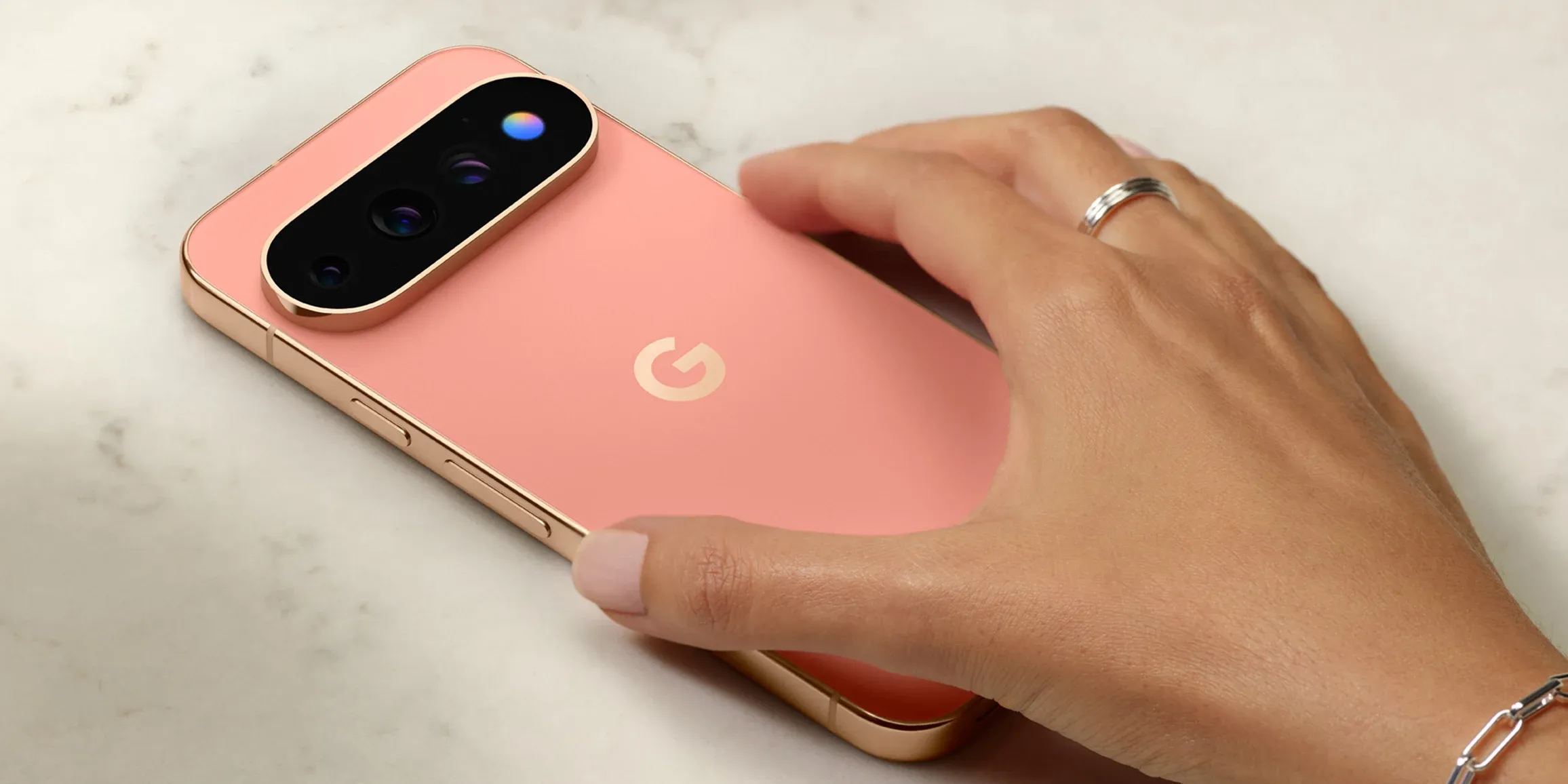
Google's own upcoming Pixel Tag reportedly lacks NFC entirely, per 9to5Google. Xiaomi does sell a tag with NFC built in, released earlier this year, but that hardware appears tied to Apple's Find My network rather than Google's, according to the same report.
There's a real tension worth flagging between how the two outlets read this. Jetstream suggests NFC support is "likely intended" for devices like the Pixel Tag, treating the Play services update as a signal that compatible hardware is coming (Jetstream). 9to5Google reports the opposite on that specific product: Pixel Tag lacks NFC (9to5Google). Don't assume Pixel Tag compatibility either direction until Google confirms the spec sheet.
Anyone with a Find Hub tag already clipped to a bag or keyring should check the manufacturer's product page for NFC before expecting the tap-to-identify trick to do anything. A Play services update rolling out to a phone doesn't retroactively add an NFC chip to a tag that never shipped with one.
Find Hub tracker setup and Left-Behind Reminders get a registration upgrade
Unlike the tap feature, the new registration options are not described as requiring an NFC-equipped tag. During initial pairing, the new flow lets owners rename a tag, assign it a category like Bag, Bike, or Car, and configure Left-Behind Reminders on the spot, according to 9to5Google.
Previously, that configuration lived inside the Find Hub app as a separate step that happened after pairing, per 9to5Google. Jetstream frames this as Google building native support for a feature that individual tracker manufacturers had previously provided separately (Jetstream). That's a reasonable read of the release notes, though it's Jetstream's interpretation rather than Google stating outright that every manufacturer's existing implementation is being replaced.
NFC identification only pays off once a tag has already been lost and found. This setup change applies the moment anyone pairs a new tag, which makes it the more immediately useful of the two for most current owners.
Does this change Find Hub's bigger tracking problem?
This update improves what happens once a tag is found or first registered, but nothing in the available reporting tests whether it affects the underlying location network. Testing from Dominic Preston at The Verge, published last year, compared trackers from Apple, Pebblebee, Chipolo, Motorola, and Tile across both Apple's Find My and Google's Find My Device networks, and found Google's approach more privacy-focused but less effective at actually locating lost items, with the gap attributed as much to philosophy as technology. Google's network was about a year old at the time versus five years for Apple's, and it appeared to prioritize avoiding precise real-time tracking over matching Apple's accuracy, according to iDownloadBlog's summary of that reporting.
That comparison predates this update by a considerable stretch, and neither the NFC tap feature nor the setup changes say anything about whether Find Hub has closed that gap.
What to do now
Check whether version 26.39 or later of Google Play services is installed; that's the number to look for, though having it doesn't guarantee every feature inside is live on a given phone yet. Current Find Hub tag owners should confirm with their tag's manufacturer whether that specific model has NFC before expecting the tap-to-identify feature to do anything, since most tags on the market still don't carry the chip.
Anyone shopping for a new tracker should hold off assuming NFC support based on the category alone, and that includes the unreleased Pixel Tag, where current reporting conflicts. Wait for Google or the manufacturer to confirm NFC directly on the spec sheet rather than inferring it from a software update built for hardware that hasn't shipped yet.




Comments
Be the first, drop a comment!