





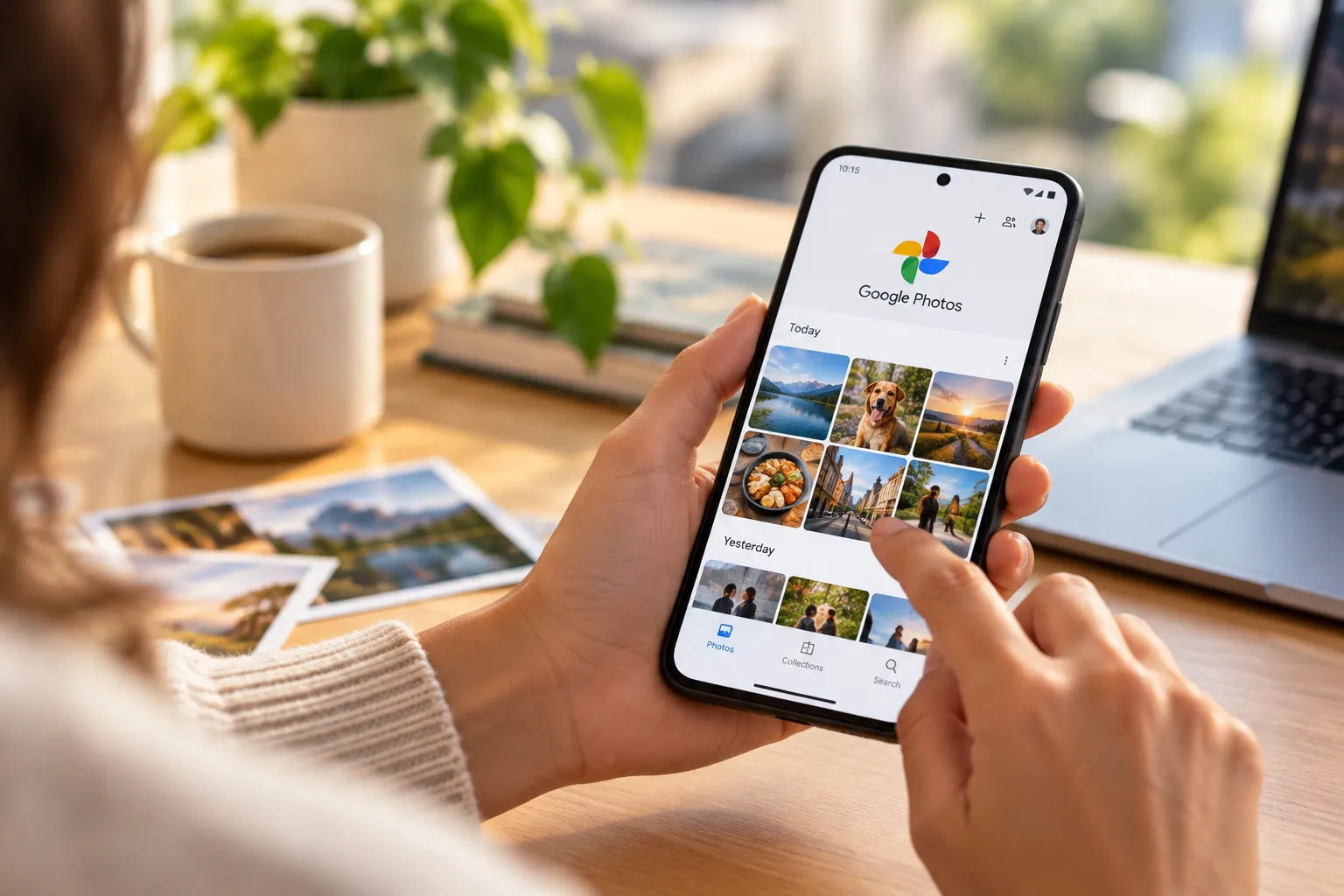
Google revised its privacy policy on Oct. 16 to say that data shared between Gmail, Google Photos, or Drive and certain other Google services may now be used to personalize content, including ads. The update adds an exception to language that previously ruled out using content from those apps for ad personalization, according to The Verge and Ars Technica.
This Google Gmail and Photos targeted ads privacy policy update appears to affect users who have opted into Google's Personal Intelligence features and connected apps like Gmail, Drive, or Photos to AI tools such as Gemini or AI Mode in Search. It doesn't mean Google is automatically using everyone's inbox or photo library for advertising. Here's what the new wording says, who it covers, what Google claims remains off-limits, and which settings are worth reviewing.
What the Google Gmail and Photos ad-targeting privacy policy update actually says
Before Oct. 16, Google's privacy policy stated: "We don't show you personalized ads based on your content from Drive, Gmail, or Photos," according to the archived April 2026 policy.
The updated wording adds a conditional exception. Google now says it won't show personalized ads based on content from those services unless users choose to make that data available to other Google services that support personalized advertising.
The current Google privacy policy explains that users may allow services such as Search or Gemini Apps to access data from Google Photos and Workspace apps, including Gmail and Drive, for a more personalized experience.
It also states that Search may process some of the data users permit it to access to personalize content, including ads.
Google gives a separate example of cross-service advertising: searching for mountain bikes in Search may lead to sports-equipment ads on YouTube, depending on the user's settings.
That example illustrates how activity and personalized content can influence advertising across Google services. It doesn't specifically demonstrate Gmail or Photos content being used to select an ad.
The important change is that Google's previous blanket restriction now includes an exception when users authorize data sharing with another service that supports personalized ads.
How Google Personal Intelligence may connect Gmail and Photos data to ads
Google introduced Personal Intelligence in early 2026, allowing users to share information from apps such as Gmail, Drive, and Google Photos with its AI tools in exchange for more tailored responses and recommendations.
People who connect those apps to AI Mode or other Search tools through Personal Intelligence may now see ads influenced by data shared with those services, according to The Verge.
Ars Technica describes the new clause as opening the door to using Gmail and Photos information for ad personalization once that information is shared with another Google service.
Personal Intelligence provides the mechanism for that sharing. By connecting an app, users allow supported AI services to draw on information that would otherwise remain within the original service.
Google says connecting apps is entirely opt-in. Users who haven't enabled the relevant connections aren't covered by this particular exception simply because they use Gmail, Drive, or Google Photos.
A Google spokesperson told Ars Technica that ads would continue to reflect factors such as users' queries, response context, and interests.
The distinction matters because the policy describes what Google may do with authorized data, not evidence that every connected account is already receiving ads influenced by its Gmail or Photos content.
What Google says is still off-limits for advertisers
Google maintains that advertisers don't receive direct access to users' Gmail, Drive, or Google Photos content, or personally identifiable information such as names and email addresses, according to The Verge.
The company also says sensitive categories, including health, race, religion, and sexual orientation, remain excluded from ad targeting.
A Google spokesperson told Ars Technica that ads aren't based directly on users' Gmail inboxes or Photos libraries.
The spokesperson also said Google isn't scanning entire inboxes to enhance advertising profiles or providing that information to third parties. According to the company, the policy clarification doesn't reflect a change in how it handles data with advertising partners.
Those assurances don't eliminate every question raised by the revised wording.
Google distinguishes between ads based directly on private content and ads influenced by personalized information generated after users share that content with another service.
For example, an AI-powered Search response could incorporate information from a connected app. The updated policy allows Search to use some authorized data to personalize content, including advertising.
That leaves an important boundary unclear: how Google distinguishes prohibited direct targeting from advertising influenced by AI-processed personal context.
What's confirmed is that the policy wording changed on Oct. 16, the exception concerns user-authorized cross-service access, and Google says advertisers still can't access raw inbox or photo-library content.
The available reporting doesn't establish exactly how frequently connected-app information influences individual ads or how Google enforces the distinction between direct and indirect use.
How to check Google personalized ads and Personal Intelligence settings
Three separate controls affect different parts of this process. None is presented as a single master switch for every form of Google personalization.
Connected-app controls: Gemini's Personal Intelligence settings show which supported apps, including Google Workspace and Google Photos, are connected. Users can review and disconnect individual apps to stop that connection from providing additional personal context.
Search personalization controls: Google's Search Services Personalization settings let users manage connected content apps and turn off Personalized Recommendations. These controls affect the information Search can use for personalized experiences.
General ad personalization: Google's My Ad Center lets users manage personalized advertising more broadly. Turning off personalized ads limits interest-based ad targeting, but doesn't remove advertising altogether.
For Search's connected-app controls, open your Google Account settings and navigate to Data & privacy > Personalization settings > Manage Personalized Recommendations in Search Services > Connected Content Apps, as described by Ars Technica.
Review whether Google Workspace or Google Photos is connected and disable any access you no longer want.
For Gemini, open its Personal Intelligence settings and review the apps you've authorized. Disconnecting an app there manages that connection, but users should also check Search's separate settings rather than assume the two interfaces always share the same controls.
To manage advertising more broadly, visit My Ad Center and review whether personalized ads are enabled.
Google has offered ad personalization controls for years, as explained in its privacy and advertising guidance.
These settings address different uses of personal information. Disconnecting an app restricts that source of data, while disabling personalized ads addresses advertising based on personal interests and activity.
The cited reporting doesn't establish whether disconnecting an app erases personalization signals already generated, how quickly every change takes effect, or whether a single setting covers every Google service.
Users concerned about this change should check both Gemini's connected-app settings and Search Services Personalization rather than assuming that disabling one connection covers every AI feature.
Anyone who hasn't opted into Personal Intelligence isn't identified by the available reporting as affected by this specific exception. Still, checking which apps are connected is worthwhile before enabling additional AI personalization features.
The Oct. 16 policy change doesn't mean Google has opened everyone's Gmail and Photos content to advertisers. It does mean that choosing to share private app data with certain Google services may have implications beyond receiving more personalized AI responses, including how ads are selected.

Comments
Be the first, drop a comment!