





Should you buy the Google Pixel 11? Price hike and battery leak explained
The Google Pixel 11 hasn't launched yet, and leaked details about it are already complicating the case for buying one. Google has confirmed that portions of the lineup will cost more, and says the increase comes from higher memory costs, not tariffs (TechRepublic, last week). At the same time, leaked battery figures suggest the Pro and Pro XL models may actually pack smaller batteries than the Pixel 10 phones they replace (PhoneArena, last week). That's the real tension behind the question of whether you should buy the Google Pixel 11: paying more for what might be less.
A reader poll adds some texture to that concern, though it shouldn't be mistaken for a verdict. PhoneArena's survey, a self-selected sample of 483 votes, framed longer battery life as the upgrade readers wanted most, and found just under 40% of respondents said they actually wanted the Pixel 11 (PhoneArena, last week). That's a useful snapshot of buyer opinion on the Google Pixel 11 among engaged Pixel watchers. It is not proof that most buyers are rejecting the phone.
Google will settle a lot of this on Aug. 12, when it holds its Made by Google event (TechRepublic, last week). The event is expected to introduce four models: a base Pixel 11, Pro, Pro XL, and Pro Fold (PhoneArena, last week). Until then, this piece separates what Google has actually confirmed from what's leaked, weighs the evidence on three things that matter to a buying decision, net price, real-world battery life, and meaningful hardware gains, and ends with a verdict sorted by what phone you're carrying today. The Pro Fold gets separate treatment at the end, because a $1,899 foldable isn't judged by the same yardstick as the slab phones.
What's actually confirmed vs. what's a single leak
Google has confirmed two commercial details: the Aug. 12 event, and that some models in the lineup will cost more because of rising memory prices (TechRepublic, last week). Notice the qualifier. Google said "portions" of the lineup, not every model, which leaves open the possibility that the base Pixel 11 holds its price while a Pro variant climbs.
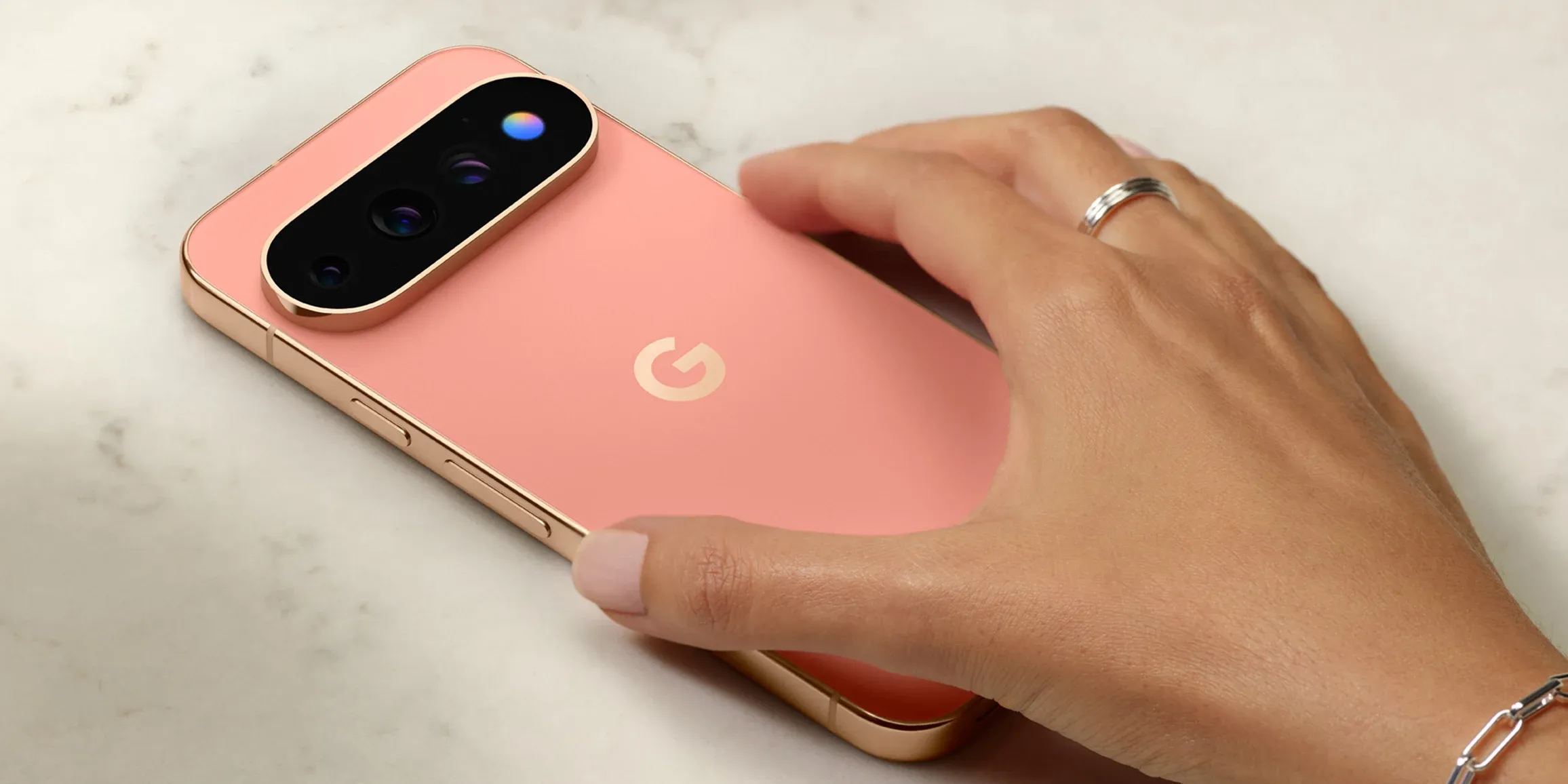
Everything else people are arguing about online, the processor, camera hardware, display specs, charging speeds, RAM, and any Pixel 11-exclusive AI features, remains officially unconfirmed (TechRepublic, last week). Google's own preview imagery is the closest thing to a design confirmation available: it keeps the familiar horizontal camera bar, suggesting an iterative update rather than a rethink (TechRepublic, last week).
Into that vacuum steps a single, detailed leak. Android Headlines published what it describes as full Google Pixel 11 price and specifications for all four models, including a Tensor G6 chip, a Titan M3 security coprocessor, and a price ladder running from $899 to $1,899 (Android Headlines, 5 days ago). Its detail makes it useful. It doesn't make it confirmed.
Two reports land on the same Pro and Pro XL battery capacities, which is the rare spot where the leak trail actually crosses itself. PhoneArena traces its numbers to Amazon listings and tipster Roland Quandt; Android Headlines calls its version exclusive without detailing sourcing further (PhoneArena, last week; Android Headlines, 5 days ago). Camera configurations, charging speeds, and display brightness, by contrast, trace back to Android Headlines alone. That gap, agreement on a couple of figures versus everything else resting on one source, is the frame the rest of this piece works from.
The battery complaint: what the leaked numbers do and don't prove
If there's one thing driving hesitation about this launch, it's battery life. PhoneArena's poll asked readers what single upgrade they wanted most, and longer battery life came out on top among the 483 people who responded (PhoneArena, last week).
The leaked numbers suggest that wish isn't being granted, at least at the Pro tier. Reporting pegs the Pixel 11 Pro's battery at 4,850mAh, 20mAh smaller than the Pixel 10 Pro, while the Pro XL comes in at 5,115mAh, 85mAh smaller than the Pixel 10 Pro XL (PhoneArena, last week; Android Headlines, 5 days ago). The base Pixel 11 does gain capacity, but only 15mAh (PhoneArena, last week).
A swing of 20 or 85mAh won't, on its own, decide whether the phone lasts longer or shorter in daily use. Chip efficiency and software tuning can easily outweigh a gap that size. What the numbers do remove is the easy argument: buyers can't point to a bigger battery as a reason to upgrade, the way they could in past years, because the figure on the spec sheet moved the wrong direction.
Context helps explain why that stings. PhoneArena's own testing clocked the Pixel 10 Pro XL at 6 hours and 58 minutes of screen-on time, against 10 hours and 44 minutes for the OnePlus 15, a phone that costs $300 less and packs a 7,300mAh cell (PhoneArena, last week). That comparison explains the general anxiety around Pixel battery life. It says nothing about how the Pixel 11 itself will perform, since it measures last year's phone against a rival, not this year's. Whether the Pixel 11 Pro actually outlasts its predecessor is a question only independent testing after launch can answer.
The reported upgrades, and how much weight one leak can carry
Beyond the battery, several other changes are being reported, ranging from plausible-but-unconfirmed to single-sourced-and-specific. Storage capacity shows the gap between the two. TechRepublic reports that several models may jump from 128GB to 256GB of base storage, but is explicit that Google hasn't confirmed it (TechRepublic, last week). Android Headlines states flatly that storage will run 256GB and 512GB across most models, with a 1TB option on the Pro XL (Android Headlines, 5 days ago). Treat the higher figure as reported, not settled, until Google says otherwise.
Several other details trace only to the Android Headlines leak, with no second source to lean on. Qi2 wireless charging is reportedly standard across the range, Pro-tier displays reportedly reach up to 3,600 nits of peak brightness, and only the Pro XL reportedly gets faster 45W wired charging, while the base phone and Pro stay capped at 30W (Android Headlines, 5 days ago). That last detail is worth sitting with: the entry model and the mid-tier Pro phone would charge at the same wired speed despite a reported $200 gap in starting price.
The camera claims deserve a similarly careful read. The Pro and Pro XL are reported to share nearly identical camera hardware, a 50MP main sensor, 48MP ultrawide, and a 48MP periscope telephoto with 5x optical zoom (Android Headlines, 5 days ago). That's a claim about internal consistency between two 2026 models, not a verified upgrade over the Pixel 10 Pro's cameras from last year, which this reporting doesn't address.
None of this is disqualifying. The reported changes are plausible, and some would matter to real buyers if they hold up. But none carries the weight of the battery figures two outlets happen to agree on, and that gap between single-sourced detail and anything closer to confirmed fact is part of what determines whether a Google Pixel 11 upgrade is worth it this year. It leaves buyers deciding whether to trust a detailed leak or wait nine days for Google's own announcement.
Should you buy the Google Pixel 11? A verdict by current device
Start with a simple rule: buy now only if a discounted Pixel 10's total carrier cost comes in materially lower than waiting for the Pixel 11. Otherwise, wait for launch and independent reviews. Everything below applies that rule to a specific phone you might currently own.
Google's Pixel shipments fell 7% year-over-year in the first quarter of 2026, even as the brand held onto 3% of the U.S. market, and the analyst firm Omdia pointed to "aggressive" carrier promotions as central to how Pixel phones move at all (Android Authority, citing Omdia, earlier this year). A leaked MSRP is rarely what most U.S. buyers end up paying. Carrier trade-in credit can erase a high sticker price, or turn a cheap-looking one into an expensive multi-year commitment. Compare total cost over the length of the contract, not the number on a leak site.
Pixel 10, Pixel 10 Pro, or Pro XL owners: the case for waiting is strong. The reported battery specs show no meaningful gain, and possibly a decrease, at the Pro tier specifically. Nothing here justifies an annual upgrade until real-world testing shows the leaked capacity numbers matter less than they look on paper.
Pixel 9 or earlier owners: hold for Aug. 12, then weigh trade-in value. The reported 256GB base storage, brighter Pro-tier displays, and standard Qi2 charging are concrete features that could matter if Google confirms them. That's not a claim that the Pixel 11 is a sweeping two-generation leap over the Pixel 9; this research doesn't include a verified Pixel 9 spec comparison. It's narrower than that: specific features, if confirmed, worth weighing before deciding whether the Google Pixel 11 is worth buying over an older phone.
Buyers who need a phone right now, including people switching from other Android brands, should buy a discounted current-gen device instead of a first-day Pixel 11. Weigh whatever discount is available on a Pixel 10 or a competing flagship against the risk of paying full, unconfirmed price for a phone whose real-world battery life hasn't been tested by anyone outside a leak thread.
Pro Fold shoppers are a separate case entirely. The Fold is reported at $1,899, with 30W wired charging, the same speed as the entry-level Pixel 11 despite carrying the highest price tag in the range (Android Headlines, 5 days ago). At that price, charging speed and battery capacity alone aren't enough to judge value. Wait for independent reviews to weigh in on software and ergonomics, and for longer-term reliability reporting to say something useful about hinge durability, before judging it by the same standard as the slab phones above it.
What happens after Aug. 12
Confirmation will settle the feature list: the processor, camera hardware, display specs, and the AI features TechRepublic flagged as still open (TechRepublic, last week). But confirmation alone won't answer the harder question. Whether the higher price actually earns an upgrade depends on things Google's event can't settle: sustained performance and thermal behavior if the Tensor G6 report proves accurate, modem efficiency, how the cameras compare to the Pixel 10 generation in practice, and real screen-on-time numbers once independent reviewers get phones in hand (Android Headlines, 5 days ago).
Until those numbers exist, the honest answer for most current Pixel owners isn't a clean buy or skip. The leaks explain why people are not buying the Pixel 11 sight unseen far better than they resolve whether that hesitation is actually justified. That verdict arrives with the first batch of independent battery tests, not with a keynote.





Comments
Be the first, drop a comment!