



Gemini for Home Timers and Alarms: Claims vs. Reality
Google says its latest Gemini for Home update makes timers and alarms faster and more accurate. It's the third time since May the company has made close to that same claim, following updates on May 11, May 28, and June 23 (9to5Google, 3 months ago; Android Police, 2 months ago; 9to5Google, 6 weeks ago). The cited reports provide no performance figures for any of the three updates, and no independent review available for this article tested alarm accuracy after the June update shipped.
A few weeks before that update, an independent reviewer asked Gemini to set an alarm for "five fifty" and watched it land at 17:50 instead of 5:50 a.m. After correcting it, the reviewer asked Gemini to cancel the alarm and got a different answer: two alarms were active, one at 5:50 a.m. and one at 5:50 p.m. (Trusted Reviews, 8 weeks ago).
Basic timer functionality remains available without a paid subscription (Engadget, 6 weeks ago). Whether the accuracy fixes announced in May and June have reached every user is a separate question: the June changes were initially limited to early-access users and were still rolling out, 9to5Google reported 6 weeks ago. None of the sources reviewed for this article include independent testing of ambiguous alarm times after that update shipped.
The May-to-June timeline: three updates to Gemini for Home timers and alarms
Google regularly ships Home updates every couple of weeks, Android Authority noted 6 weeks ago. Three of them, in quick succession, targeted the exact same handful of tasks.
On May 11, Google said timers and alarms should be "noticeably quicker," part of a broader push to cut backend latency across device commands (9to5Google, 3 months ago). The announcement included no performance numbers.
Seventeen days later, on May 28, the specifics arrived. Google detailed optimized stop-and-snooze commands, along with better tracking of which active timer or alarm a user means when asking to change or cancel one (Android Police, 2 months ago). That same release also introduced Gemini-powered camera automations for subscribers on a Google Home Premium Advanced subscription, a separate feature bundled into the same update.
By June 23, Google broadened the claim again, citing improved "speed and accuracy" for managing alarms, timers, and lists, language close to what it said in May (Android Authority, 6 weeks ago). That update also extended Gemini for Home access to every member of a household, including children (9to5Google, 6 weeks ago), a rollout detail separate from the alarm work but bundled into the same release.
The real-world scenarios these fixes are meant to solve
The Trusted Reviews test surfaced two distinct problems: Gemini defaulted an ambiguous time to the wrong half of the day, and after correction, left two alarms running instead of one. The May 28 change appears relevant to the second problem, because Google said Gemini was better at identifying which active timer or alarm a user meant (Android Police, 2 months ago). The cited reports do not say whether the update changed how Gemini interprets an ambiguous time such as "five fifty."
Google also changed how the assistant handles interruptions. Users can now say "stop" to end a Gemini response without cutting off background music, and Gemini is supposed to more reliably end follow-up conversations when told "Stop" or "No thanks" (Android Police, 2 months ago; 9to5Google, 6 weeks ago). Both changes target specific behaviors described in Google's update notes, rather than a general performance claim.
What independent testing actually shows, and what it doesn't
The most detailed independent look at real alarm behavior remains the Trusted Reviews test described above. The same testing session included other issues: Gemini answered a basic letter-counting question incorrectly, and the screen went blank when Gemini answered a recipe question aloud (Trusted Reviews, 8 weeks ago). The same review noted one earlier complaint, that Gemini had ignored a stated dietary preference when suggesting meals, had already been fixed by a prior update, evidence that at least some reported problems do get resolved (Trusted Reviews, 8 weeks ago).
That review published before the June 23 update shipped, so it can't speak to whether the later fixes resolved what it found.
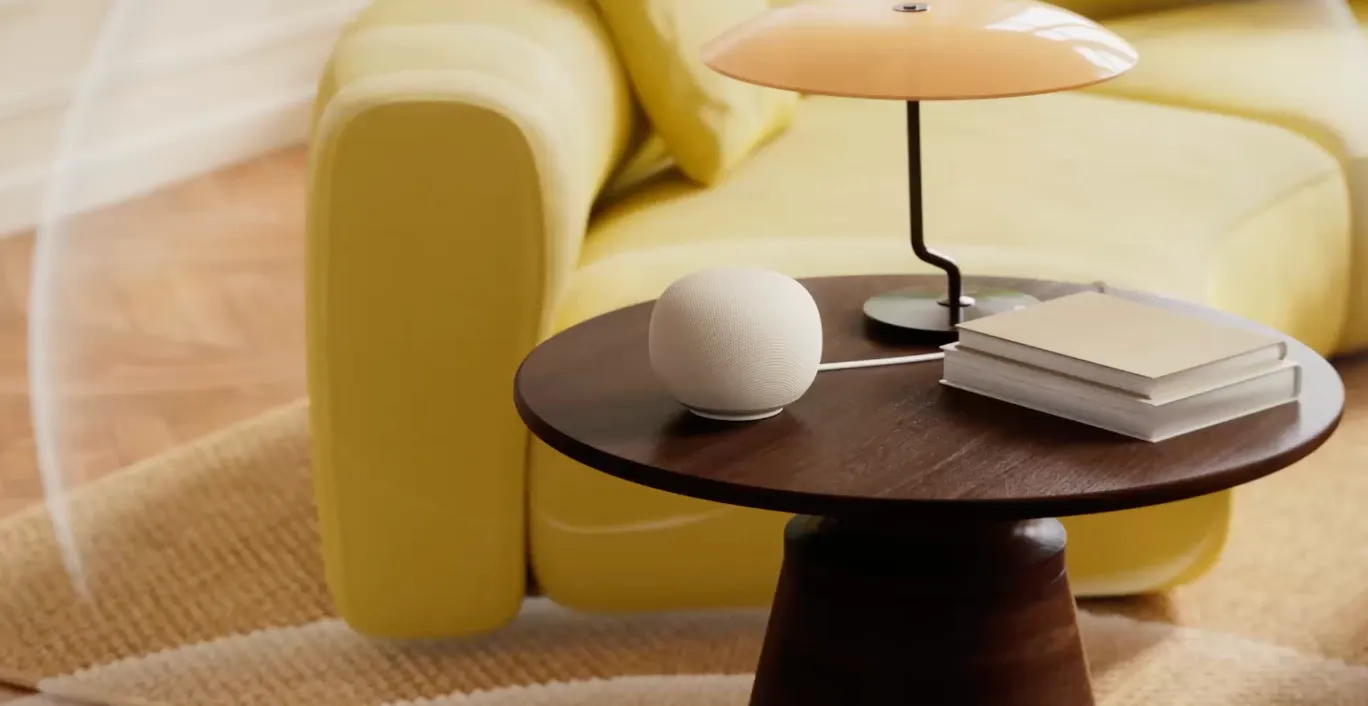
The closest post-update account comes from Engadget's hands-on with Google's newest speaker hardware. That reviewer didn't specifically retest alarm-time accuracy, though Gemini handled multi-part conversational questions well and still needed a manual correction inside the Google Home app after setting up a voice-created automation (Engadget, 6 weeks ago). The reviewer also noted the test ran less than a week in a fairly simple household, which limits how far its findings travel.
What's free, and what requires a subscription
Setting timers, playing music, and controlling smart devices through Gemini for Home remain available without a paid plan (Engadget, 6 weeks ago). That matters for Google Home users who rely on Gemini timers day to day, since the reliability question sits in the tier available to any user, not one restricted to paying subscribers.
Gemini Live, the open-ended conversation mode, requires a paid plan. Engadget lists options at $10 and $20 per month; its review also says the higher tier adds expanded camera history, video-history search, and daily summaries (Engadget, 6 weeks ago). The Google Home Speaker ships with a six-month trial (Engadget, 6 weeks ago).
Those subscription tiers govern camera features and deeper conversational ability. They have nothing to do with whether an alarm fires at the right hour.
Conclusion
Google has announced targeted improvements to alarm and timer handling across three releases since May, but the specific scenario Trusted Reviews documented, an ambiguous time defaulting to the wrong AM/PM and a canceled alarm leaving a duplicate active, has not been independently retested against the version Google shipped in June. Google has also relied on qualitative language, "noticeably quicker," "improved speed and accuracy," rather than measurable figures, across all three updates.
The unresolved test is narrower than Google's broad performance claims: ask for "five fifty," verify whether Gemini selects the intended half of the day, then ask it to cancel the alarm and confirm that no duplicate remains. Until independent testing covers that exact sequence, the available evidence does not establish whether the issue Trusted Reviews found has actually been fixed.




Comments
Be the first, drop a comment!