



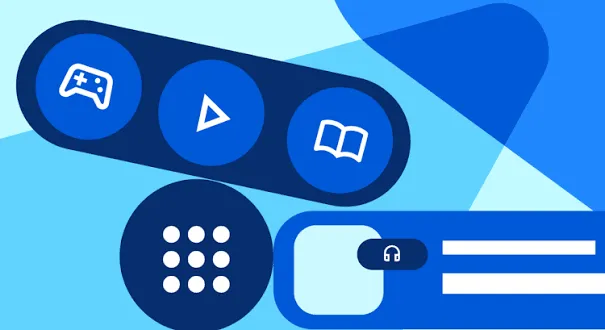
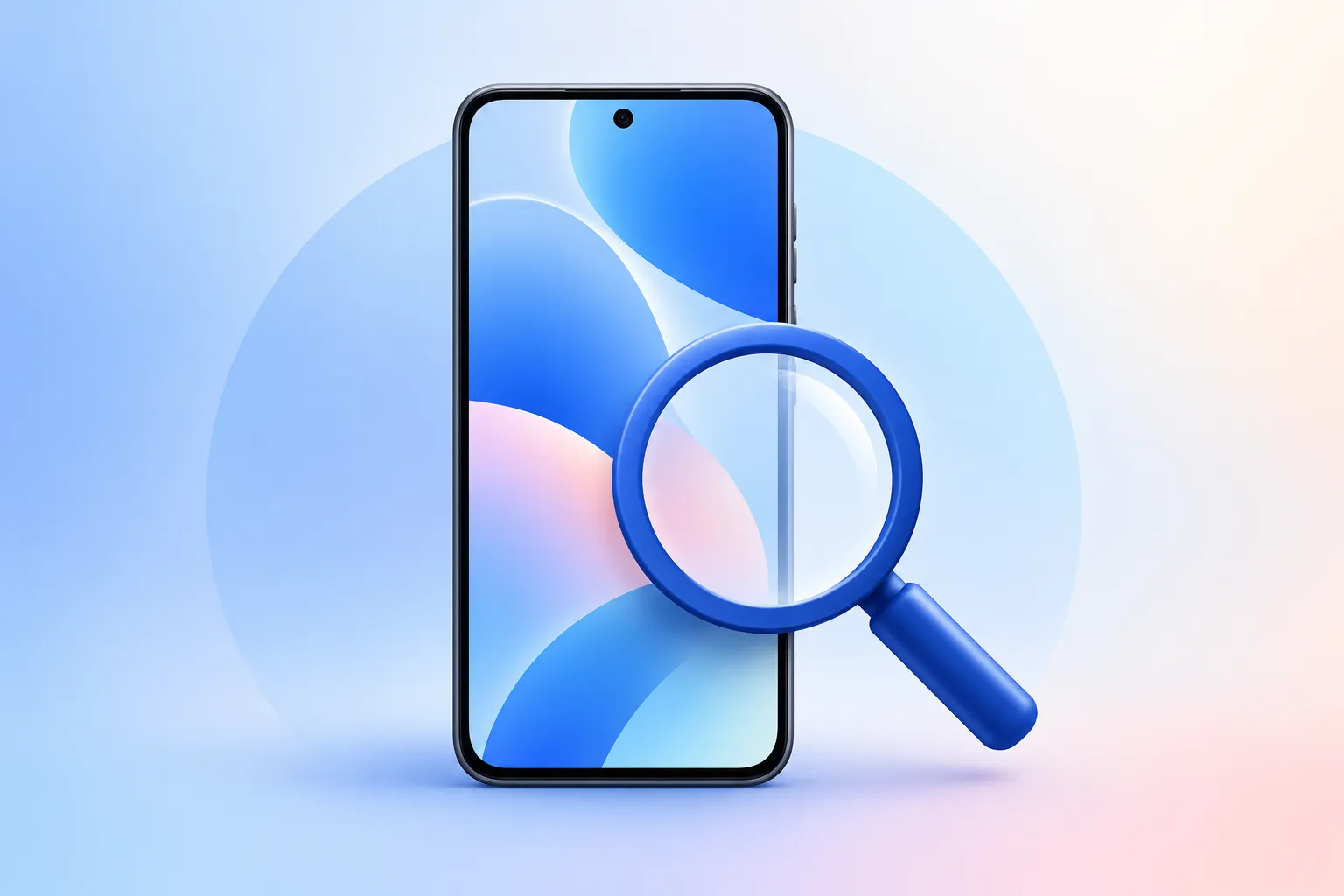
Android apps that ship with home screen widgets do not always make that feature easy to discover. No signal on the Play Store listing page, no prompt after install. For apps that do not promote widgets elsewhere, the launcher's widget picker may be the only obvious confirmation, and that requires you to already own the app and know to check.
Google acknowledged this gap in March 2025 and announced a Google Play Store widget discovery update designed to close it: a visual badge on app listing pages, a dedicated search filter for widget-capable apps, and a curated editorial page.
The gap matters because widgets aren't just cosmetic. They keep apps present on the home screen without requiring users to remember to open them. Among users of the mindfulness app Gratitude, the developer reported 25 percent higher retention among widget users than those who didn't. Google's argument is that surfacing widget availability before the download decision is the lever that turns a hidden Android feature into one users actually engage with.
How the Play Store widget discovery update works
The most direct of the three announced changes is a visual badge planned for app detail pages to signal that a widget is included. The idea is to put widget availability at precisely the moment it's most useful: when a user is still deciding whether to download. Before the badge, that information simply didn't exist on the listing page.
The badge has a specific practical effect at the comparison stage. When a user is weighing two similar apps, the one that signals widget support has a concrete differentiator. A new user looking for an app with specific functionality may opt to download the widget-capable option over one without, TechCrunch observed. That makes it a download driver, not just a label.
For users who already know they want a widget, a planned search filter would let them narrow results to apps with qualifying widgets without sifting through listings that don't offer one, per Thurrott. That's a shift from accidental discovery to intentional search. A different use case, but one Google is explicitly trying to support.
The third feature is a curated editorial page. Its stated purpose goes beyond showcasing well-designed widgets: Google designed it to actively educate users on widget value, for those who may not understand what widgets do or why they're worth adding to a home screen, according to TechCrunch. That's the telling detail. Google isn't assuming widget awareness; it's trying to build it.
Taken together, the three features form a rough funnel: the editorial page creates awareness, the filter enables targeted search, and the badge closes the decision on the listing page. That funnel framing is interpretive, not a claim Google has made explicitly. But the sequencing is deliberate enough that it's hard to read it any other way.
One important caveat: all three features were announced in March 2025, and as of this week Google has not publicly confirmed full deployment, regional coverage, or device availability. No public data on widget-install uplift, click-through changes, or rollout scope has been released. Your current Play Store may show all, some, or none of these features.
Why Google is solving both sides of the widget problem at once
Widget discoverability has always been a two-sided failure. Users had no way to know a widget existed until after installing an app. Developers had no evidence users would ever find a widget, which made building one hard to justify.
Google acknowledged both in its March 2025 announcement: the Play Store changes were designed to raise user engagement with widgets and give developers a concrete reason to invest in building them, Thurrott reported.
The developer investment question is real. Building a widget well takes time, and under the older RemoteViews framework, the work was technically constrained and difficult to maintain. Gratitude's developer described migrating to Jetpack Glance, a Compose-based alternative, as a meaningful improvement: "much more modern, flexible, and aligned with the way we build the rest of our UI today," adding that many of the UI constraints previously faced with RemoteViews "are no longer an issue," per the Android Developers Blog.
The progression is intentional. Better Play Store discovery surfaces create user demand; lower development friction makes it viable for developers to meet that demand. Neither improvement is sufficient without the other. A badge on a listing page means nothing if the widget behind it is poorly built; a polished widget means nothing if users never learn it exists.
The 25 percent retention figure from Gratitude is the kind of number Google can use to make that argument to developers, as cited in the Android Developers Blog. It's one app in one category and shouldn't be read as a universal benchmark. But the underlying mechanism, a widget as a passive daily touchpoint that doesn't depend on user memory, is plausible across many categories. The figure gives developers something concrete to weigh against the build cost.
Google's own Play Store widgets are also getting an overhaul
Separately from its third-party widget promotion work, Google is building single-Collection widgets for the Play Store itself. Code found in Play Store version 52.1.26-31 points to eight category-specific options: Food, Game, Listen, Read, Shop, Social, Travel, and Watch. Each would surface a single Collection rather than the multi-Collection format the existing Play Store widgets use.
This is pre-release work. Android Authority wasn't able to deploy any of the new widgets to a home screen for testing, so the timeline is unclear. What it signals, though, is that Google isn't treating widgets as a third-party concern it's graciously helping to promote. It's building them into its own storefront as a first-class surface.
The Play Store's Apps and Games tabs also received a broader navigation update this month. Tabs now appear in pill-shaped containers, Top Charts and Categories open on separate pages rather than inline, and the standalone "For you" tab has been merged into the default home view for both sections. The Books tab still runs the older design, suggesting a phased rollout. None of that is specifically about widgets, but it reflects the same ongoing effort to reduce friction in how users move through the Store.
The right surfaces, but one open question
For users, the practical upshot is this: if the announced features have reached your device, a widget badge on the listing page tells you which app extends beyond the icon when you're choosing between similar options. A search filter lets you look specifically for apps that offer widgets. A curated editorial page explains what good widget design looks like and why it matters, per TechCrunch. If none of that has appeared in your Play Store yet, rollout status remains unconfirmed.
For developers, Google has made the business case as explicitly as it's likely to. Widgets are a retention tool with a cleaner path to users than existed sixteen months ago, and Play now offers three announced surfaces to drive the installation decision, backed by Android Developers Blog retention data. The friction of building one has also dropped, at least based on Gratitude's experience with Jetpack Glance. The investment argument is more defensible now than it was.
Google has built the right surfaces. Whether they move the needle on Android app widget adoption depends on something harder to engineer: whether users start treating widget availability as a feature worth factoring in at install time, rather than something they stumble across months later, or never. The discovery framework has been announced, but its deployment and reach remain unclear.


Comments
Be the first, drop a comment!