





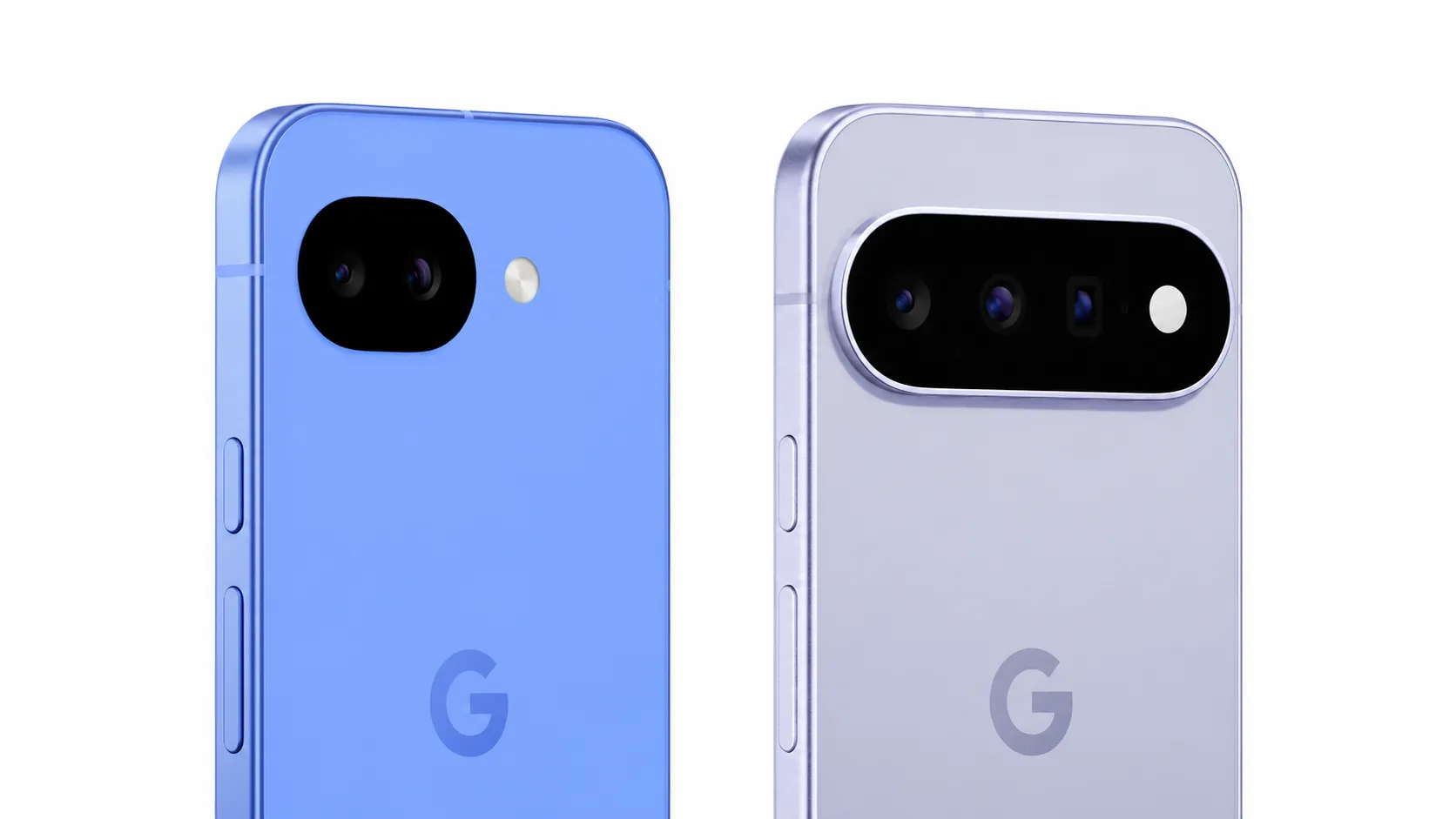
Five years after Google introduced the Pixel 6, owners who have held onto the phone are approaching a decision they can no longer put off indefinitely. Its guaranteed software support ends in October 2026, making the Pixel 10a and Pixel 11 two potential replacements. But spending more doesn't automatically mean getting the better upgrade.
At their US launches, the Pixel 10a started at $499 and the Pixel 11 at $899. Both bring newer processors, brighter displays, and seven years of software support, but the Pixel 11 adds more storage, a dedicated telephoto camera, and faster wireless charging. The question is whether those extras are worth paying for when the less expensive model already addresses many of the Pixel 6's aging hardware and software limitations.
Pixel 6 support is ending. Here's what that means
Google's official Pixel update policy gives the Pixel 6 and Pixel 6 Pro five years of operating system and security updates from their October 2021 release. Their guaranteed support window therefore ends in October 2026. The Pixel 6a, which arrived later, remains covered until July 2027.
Google has also confirmed that the Pixel 6 and Pixel 6 Pro will not receive Android 17 QPR2, according to a July 20 report from 9to5Google. That update is scheduled for December 2026, after the phones reach the end of their support period.
An unsupported Pixel 6 won't suddenly stop making calls or running apps. However, the end of guaranteed security updates means owners can no longer rely on Google to address newly discovered vulnerabilities through regular patches. That's particularly relevant for anyone using the device for banking, work, or other sensitive activities.
You can check your phone's installed security patch level under Settings > About phone > Android version. To look for available updates, go to Settings > System > Software updates. These checks help establish whether your phone is up to date, although an installed patch doesn't mean future updates are guaranteed.
A deteriorating battery, full storage, or sluggish performance can make the decision easier. Even if the Pixel 6 still works well, its approaching support deadline gives owners a practical reason to consider moving on.
Pixel 10a vs. Pixel 11: What actually changes?
The differences begin with memory and storage. Google's official Pixel 10a specifications list 8 GB of RAM and either 128 GB or 256 GB of storage. The Pixel 11 specifications show 12 GB of RAM, with 256 GB as the starting capacity and a 512 GB option.
For Pixel 6 owners still using a 128 GB model, either phone can provide more storage if they choose the appropriate configuration. The Pixel 11's extra RAM also gives it more room for demanding apps and multitasking, although 8 GB remains sufficient for many everyday activities.
Both phones have 6.3-inch OLED displays with refresh rates up to 120Hz, compared with the Pixel 6's 90Hz screen. They also reach up to 3,000 nits of peak brightness under specified conditions, making outdoor visibility a potential improvement over the older phone.
Cameras: The Pixel 11 has the clearest advantage
The Pixel 10a features a 48 MP main camera and a 13 MP ultrawide, while the Pixel 11 adds a 10.8 MP telephoto camera with 5x optical zoom. The flagship also supports up to 30x Super Zoom, compared with the 10a's maximum 8x zoom.
That difference becomes noticeable when photographing subjects that are difficult to approach, such as performers onstage, wildlife, or architectural details. The Pixel 10a relies on digital and computational zoom beyond its main camera's native field of view, while the Pixel 11 can capture distant subjects through a dedicated telephoto lens.
Still, a newer camera isn't automatically better in every situation. The original Pixel 6 has a capable 50 MP main camera, and differences in sensor size, lighting, and image processing can matter more than megapixel counts. Anyone satisfied with their Pixel 6's everyday photos may find the 10a perfectly adequate.
The Pixel 11 also introduces Magic Capture, which can analyze hundreds of frames during a capture session to select well-timed photographs. Camera Looks adds selectable photographic styles, giving users more control over the appearance of their images before taking them.
These additions are appealing for people who frequently experiment with mobile photography, but they're less compelling if most pictures are quick snapshots.
Performance, battery, and charging
The Pixel 10a uses Google's Tensor G4 processor, while the Pixel 11 runs on the newer Tensor G6 alongside a Titan M3 security chip. Google says Tensor G6 improves browsing and app-launch performance over Tensor G5, although those manufacturer benchmarks don't establish the exact performance difference between the Pixel 11 and Pixel 10a.
For everyday messaging, browsing, and streaming, both should provide a substantial generational improvement over the original Tensor-powered Pixel 6. The Pixel 11 offers greater performance headroom for demanding applications and newer on-device AI experiences, while the 10a still includes Gemini, Circle to Search, and Google's AI-powered photography tools.
Battery capacity is one area where the less expensive phone has a numerical advantage. The Pixel 10a contains a 5,100 mAh battery, compared with 4,985 mAh in the Pixel 11. Google advertises more than 30 hours of battery life for both under its testing conditions, so capacity alone isn't enough to determine which lasts longer.
Charging is more clearly differentiated. The Pixel 11 supports up to 25W Qi2.2 wireless charging through Google's magnetic Pixelsnap system, allowing compatible accessories to attach magnetically. The 10a supports standard Qi wireless charging without built-in Pixelsnap magnets.
Materials also differ. The Pixel 11 uses Gorilla Glass Victus 2 on both sides, while the 10a has Gorilla Glass 7i protecting its display and a composite back. Both offer IP68 dust and water resistance, though that protection can diminish with wear.
One less obvious consideration is SIM compatibility. The US Pixel 10a supports a physical nano-SIM and eSIM, while the US Pixel 11 uses dual eSIM. Anyone transferring a physical SIM should confirm that their carrier supports eSIM activation before switching.
Which Pixel should you buy?
The Pixel 10a makes the stronger case for budget-conscious owners who mainly browse, message, stream, and take everyday photographs. It provides a smoother display than the original Pixel 6, modern software support, and a large battery without requiring flagship-level spending.
It also brings Satellite SOS to the A-series for the first time, allowing eligible users to contact emergency services when cellular and Wi-Fi networks are unavailable. Google's Satellite SOS documentation details supported countries and restrictions, which are worth checking before relying on the feature.
The Pixel 11 is better suited to people who frequently photograph distant subjects, maintain large media libraries, or expect to keep their next phone for another five years or longer. Its telephoto camera, additional memory, and magnetic wireless charging deliver practical improvements rather than merely cosmetic changes.
Price deserves another look before deciding. The original $400 gap compares the launch prices of models with different base storage capacities. Google's current US listings and retailer promotions may differ considerably, and a 256 GB Pixel 10a could be more attractive than the base Pixel 11 for someone who needs storage but doesn't care about telephoto photography.
Both phones receive seven years of operating system and security updates from their respective US release dates. The Pixel 10a became available March 5, 2026, while the Pixel 11 reached stores August 20, 2026, placing their expected support deadlines in March and August 2033. The Pixel 11's later deadline reflects its later launch, not a longer support commitment.
For Pixel 6 owners, neither replacement is a bad choice. The Pixel 10a delivers a more affordable way to leave aging hardware and expiring security support behind, while the Pixel 11 offers a more substantial upgrade in photography, storage, and convenience.
The Pixel 6 has already demonstrated how long a good phone can remain useful. Its replacement should be chosen with the same consideration: not which model has the most features, but which one you'll still appreciate using several years from now.


Comments
Be the first, drop a comment!