





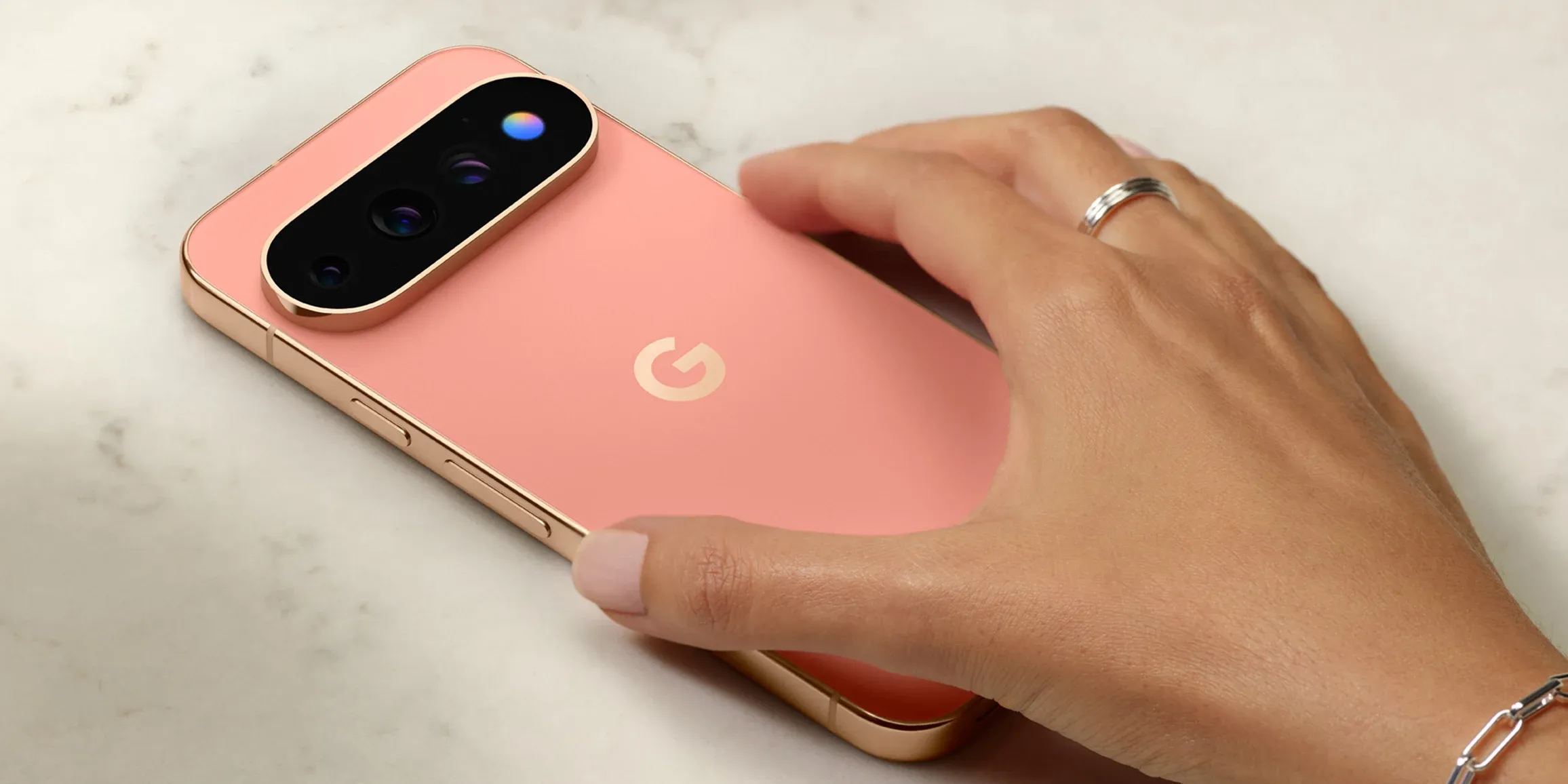
The Google Pixel 10 Pro was supposed to represent the pinnacle of Android engineering, but a growing chorus of frustrated users suggests something went seriously wrong with the display. What started as isolated complaints has snowballed into a widespread issue that's impossible to ignore once you've seen it. The flickering display glitch isn't just a minor annoyance—it's fundamentally undermining the user experience on what should be Google's flagship device.
This isn't simply about a few defective units slipping through quality control. The pattern emerging from user reports points to a more systematic problem that could affect the Pixel 10 Pro's reputation and Google's standing in the premium smartphone market. Understanding what's happening, why it's occurring, and what it means for current and prospective users requires digging deeper into the technical realities behind this frustrating phenomenon.
What exactly is happening with these displays?
Here's what makes this situation so maddening for users—the flickering doesn't follow a predictable pattern. Some people are dealing with subtle brightness fluctuations that creep up on you during extended scrolling sessions, while others are experiencing dramatic screen flashing that makes basic tasks nearly impossible.
The inconsistency is perhaps the most frustrating aspect of all. You might use your phone perfectly fine for hours, then suddenly notice the display starting to pulse or flicker during what should be routine interactions. Some users report that the problem seems tied to specific apps or activities, while others describe it as completely random.
What's particularly troubling is how the flickering affects different types of content. Text reading becomes genuinely uncomfortable when the brightness is constantly shifting, and watching videos turns into an exercise in frustration. The psychological impact can't be understated either—once you notice the flicker, it becomes impossible to ignore, creating this hyper-awareness that makes every interaction with the device feel compromised.
The timing couldn't be worse for Google's flagship ambitions. Users who invested in what was marketed as a premium experience are finding themselves dealing with a fundamental reliability issue that affects the most basic function of their smartphone. For a device positioned in the premium market segment, this level of display instability feels like a significant betrayal of expectations.
Why OLED technology might be the culprit
Let's break down why this might be happening from a technical standpoint. OLED displays are marvels of engineering, but they're also incredibly complex systems with numerous potential failure points. Unlike traditional LCD screens that use a backlight, OLED panels control each individual pixel's brightness and color independently.
This pixel-level control creates amazing contrast and color reproduction, but it also means the display system has to manage millions of tiny light sources simultaneously. When the software controlling these pixels encounters conflicts or inconsistencies, the result can be exactly the type of erratic behavior Pixel 10 Pro users are experiencing.
The situation becomes even more complicated when you factor in modern features like adaptive refresh rates and dynamic brightness adjustment. These systems are constantly analyzing content and environmental conditions to optimize the display experience, but they're also creating multiple layers of complexity that can interact in unexpected ways.
Think about it this way—your phone's display system is juggling refresh rate changes, brightness adjustments, power management, and individual pixel control all simultaneously. When any part of this coordination breaks down, whether due to software bugs, hardware inconsistencies, or thermal effects, the visible result is often flickering or brightness instability.
Temperature fluctuations, processing load changes, and even specific app behaviors can trigger display anomalies in susceptible devices. This technical complexity means that what appears to be a simple "flickering" issue likely involves multiple interconnected systems working improperly together.
How this compares to previous Pixel display problems
Google's Pixel line has certainly faced display challenges before, but nothing quite like what we're seeing with the 10 Pro. Previous generations dealt with issues ranging from color accuracy complaints to occasional touch sensitivity problems, but those were typically either minor enough to ignore or affected relatively small user populations.
What makes the current situation different is both the widespread nature of the reports and the fundamental impact on usability. Color accuracy issues might bother photography enthusiasts, but display flickering affects everyone's basic interaction with their device.
The pattern across multiple Pixel generations does raise some broader questions about Google's approach to display technology and quality control. Other manufacturers have successfully implemented similar OLED panels and adaptive refresh systems without generating widespread flickering complaints, which suggests something specific to Google's implementation or supplier relationships might be contributing to the problem.
It's worth noting that display issues aren't unique to Google—virtually every smartphone manufacturer has faced similar challenges at some point. However, the scale and impact of the Pixel 10 Pro's flickering problem appears to stand out even in that context, raising questions about Google's display supplier relationships and quality control processes.
What users can do while waiting for fixes
Bottom line: your options as an affected user are somewhat limited, but there are a few things worth trying. Many people have reported some improvement by adjusting display settings, particularly around adaptive brightness and refresh rate controls. The results vary significantly between devices, but it's worth experimenting with these settings to see if you can minimize the flickering.
Some users have found that turning off adaptive brightness helps stabilize their displays, though this obviously means sacrificing automatic brightness adjustment. Others report that forcing the display to a fixed refresh rate rather than using the adaptive setting can reduce flickering frequency.
PRO TIP: If you're experiencing severe flickering, document it with video recordings before trying software fixes. This documentation can be valuable if you need to pursue warranty replacement or want to demonstrate the issue to support representatives.
The reality is that most of these workarounds provide only partial relief and may compromise other aspects of your display experience. If you're dealing with constant, severe flickering that makes the device genuinely difficult to use, pursuing replacement through warranty or return policies is probably your best bet.
For those with intermittent issues, the calculation becomes more personal—do you wait and hope for a software fix, or take the inconvenience of replacement now? There's no universal right answer, but understanding the technical nature of the problem suggests that pure software fixes may have limited effectiveness if the issue involves hardware-level display control problems.
The bigger picture for Google's hardware reputation
Here's where things get interesting from a broader market perspective. Google has been working for years to establish the Pixel line as a legitimate premium alternative to Samsung and Apple flagships. The Pixel 10 Pro represents a significant investment in that strategy, with pricing and marketing that positions it directly against the industry's most expensive devices.
Fundamental reliability issues like widespread display flickering can quickly undermine years of reputation building. When users spend flagship-level money, they expect flagship-level reliability, especially for something as basic as display stability.
The technical nature of this problem makes it particularly damaging because it affects the most fundamental interaction users have with their smartphones. You can work around camera quirks or accept battery life compromises, but display flickering interferes with literally everything you do on the device.
Beyond immediate user frustration, this situation highlights some broader questions about Google's hardware quality assurance processes. How did a problem this widespread make it through testing? What does this say about the relationships with display suppliers and the validation processes for critical components?
The way Google handles this crisis—whether through rapid software fixes, hardware replacement programs, or improved quality control for future devices—will likely influence consumer perception of Pixel devices for years to come. Successfully resolving this problem will be crucial for maintaining confidence in Google's hardware credibility and premium market positioning.
What's particularly challenging is that display flickering isn't the kind of problem that generates exciting headlines about fixes and improvements. Unlike software features that can be updated and enhanced, display reliability is something users expect to simply work correctly from day one. When it doesn't, the path back to consumer confidence becomes significantly more difficult.



Comments
Be the first, drop a comment!