





Pixel 10 may block Android downgrades: who is affected and how
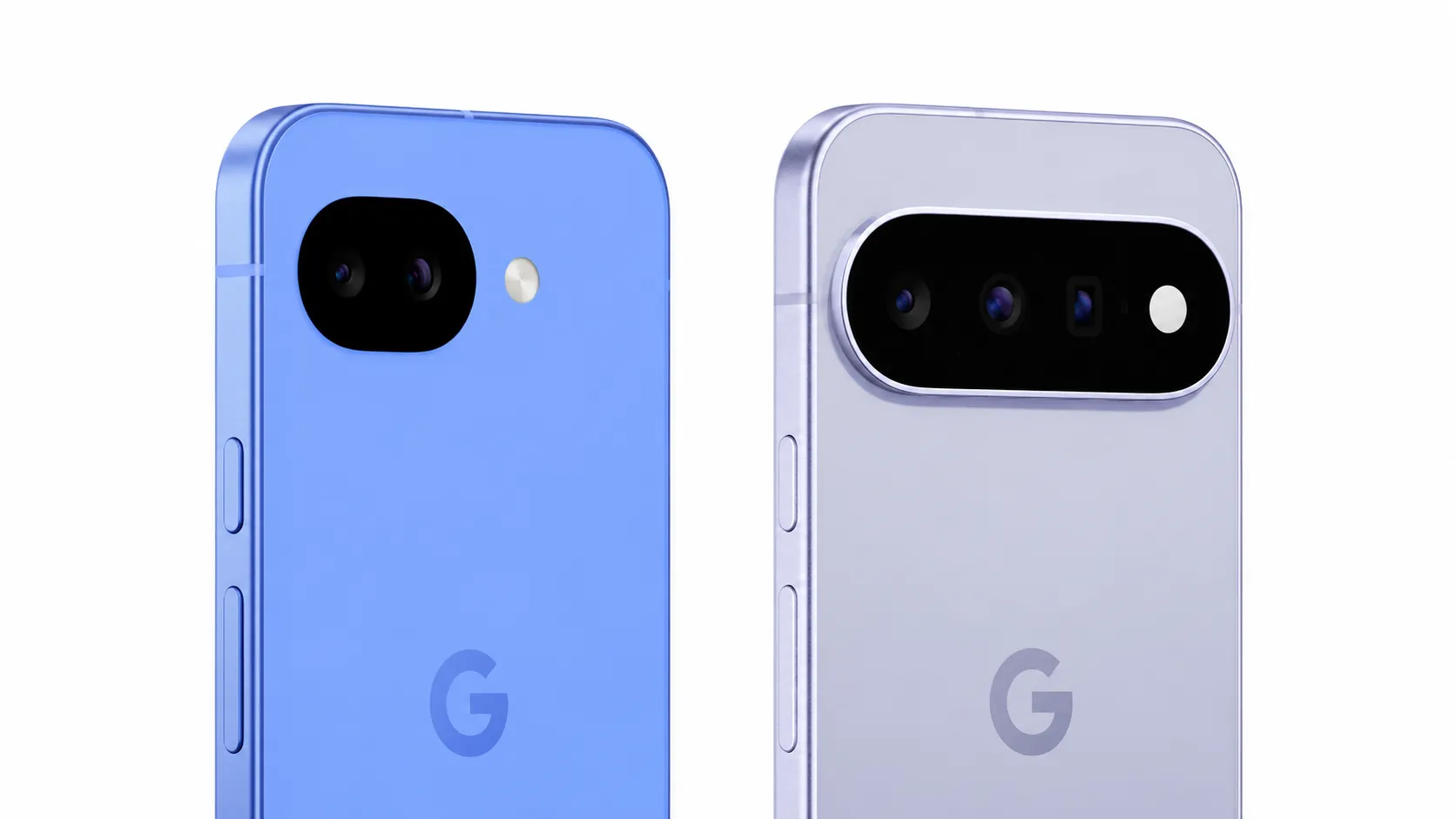
If you own a Pixel 10 and have ever flashed a factory image to escape a bad update, that option may be going away. Android Authority reports that a future Pixel 10 update would extend Android's anti-rollback enforcement to cover flashing paths that current Pixel hardware still leaves open. Google has not confirmed this. But the reported consequence is worth understanding now: if the reported change ships as described, some downgrade paths could close once that update applies.
That stakes the story immediately for the people it actually affects. Most Pixel 10 owners will never notice. Developers who test against specific Android versions on physical hardware, users who've recovered from a bad update by flashing an older build, and buyers who chose Pixel for its unlockable bootloader are the ones with something to consider before any update ships.
What the scope of that enforcement actually covers, specifically which partitions and which flashing paths, remains unconfirmed. That question is the difference between a significant workflow disruption for one group and a fundamentally different situation for another.
How downgrading on Pixel devices actually works today
The mechanism behind all of this is version counters stored in tamper-resistant firmware, part of Android Verified Boot (AVB, or Verified Boot 2.0), which AOSP says is included in Android 8.0 and higher. When a qualifying update applies, the relevant counter increments. Any attempt to flash software carrying a lower version number than the stored counter value gets rejected by the bootloader, on locked and unlocked devices alike. That behavior predates the Pixel 10 by several years and is documented in the AOSP Verified Boot specification.
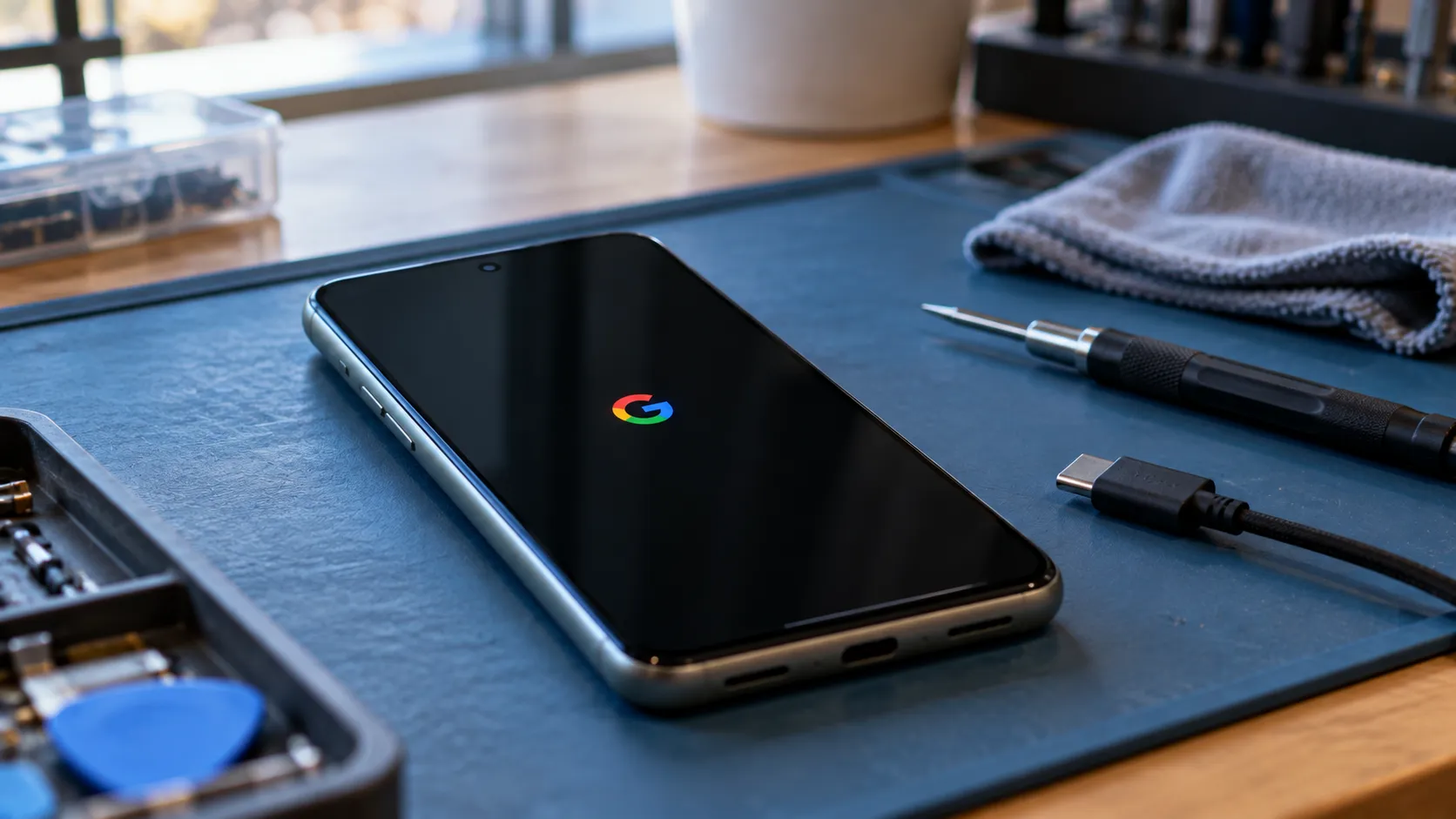
The practical baseline today: a Pixel owner who hasn't yet applied a counter-incrementing update can unlock the bootloader and flash an older build from Google's factory image repository. Once the counter increments, that specific downgrade path closes for any build below the new value. The window is real, but it closes silently. No warning, no confirmation prompt.
What Android Authority reports for the Pixel 10 is that enforcement would extend further across the software stack, covering flashing paths that currently stay open between counter increments. On current hardware, some of those windows survive. Under the reported change, they wouldn't.
One distinction worth holding onto: stock firmware downgrades, custom ROM installation, and bootloader unlocking are not the same operation. The report doesn't settle whether all three are affected or only some. Treating them as equivalent overstates what's actually been claimed.
Who this hits, and how badly
The most common real-world case is the user who applies a system update and hits serious problems. Today, that person has a manual exit: unlock the bootloader, pull an older factory image from Google's repository, flash it back. Technical, yes, but functional. Per the Android Authority report, that exit would close permanently once the relevant Pixel 10 update applies. No self-service fallback, no known-good build to return to. Recovery options may be narrower; Android Authority says some cases could require sideloading a full OTA image instead.
Developers using a physical Pixel as a downgrade test target face a narrower but still concrete problem. Emulators cover most compatibility testing. They don't cover hardware-specific behavior and radio interactions. A developer who applies the update loses that device as a downgrade target. The workaround is keeping a separate device held at the needed version, but that's only a choice available before the update lands.
Then there's the buyer who picked Pixel specifically because the bootloader unlocks. Pixel hardware has historically attracted users who want to run custom Android builds, and bootloader accessibility is a meaningful part of that appeal. Whether the reported change touches this group at all depends on implementation details the report doesn't resolve. If enforcement stays limited to stock firmware downgrades, custom ROM installation on an unlocked device may survive intact. If it reaches further into the verified boot chain, the picture changes. Neither conclusion is supported yet, and neither should be assumed.
Why Google would do this
The logic isn't subtle. A device that can be returned to a software state containing known, patched vulnerabilities is one that can be deliberately put there. An attacker with physical access, or a user tricked into reflashing, could reintroduce a vulnerability that would otherwise be permanently closed. Extending rollback enforcement, per the report, removes that option.
Android Enterprise Recommended requirements already treat predictable boot integrity as a baseline condition for business deployments. The reported Pixel 10 change would bring consumer device behavior closer to what enterprise hardware has required for years. The problem it solves is specific: preventing deliberate rollback to a known-vulnerable software state.
The tradeoff is genuine. More enforcement means less manual recovery flexibility. There is no configuration that fully delivers both, and the reported change prioritizes one over the other.
What to do before the update ships
The decision isn't complex. It's just time-limited.
If you have no use case for flashing older Android builds, update normally. Holding security patches to preserve downgrade flexibility reintroduces the exact exposure this mechanism is designed to close. This story doesn't affect you in any practical sense.
If downgrade access matters to your work, the time to act is before the update ships. Preserve a separate device at the Android version you need. Once the update applies, per the report, there is no retrieval path. That is the only move available, and the window for it is open right now.
Two sources will confirm the actual scope when hardware ships. Google's factory image or OTA notes sometimes flag anti-rollback-related bootloader changes, as it did for some Pixel models in May 2025; that's where the authoritative technical picture will appear. Analysis from projects that work directly with Pixel's verified boot implementation tends to follow within days of a device landing.
Here's the practical threshold: if the report turns out to be wrong or narrower than claimed, current behavior continues, and nothing changes. If it's right, the decision window is already open and closes the moment that the update applies. Either way, the time to understand the situation is before that happens, not after.










Comments
Be the first, drop a comment!