





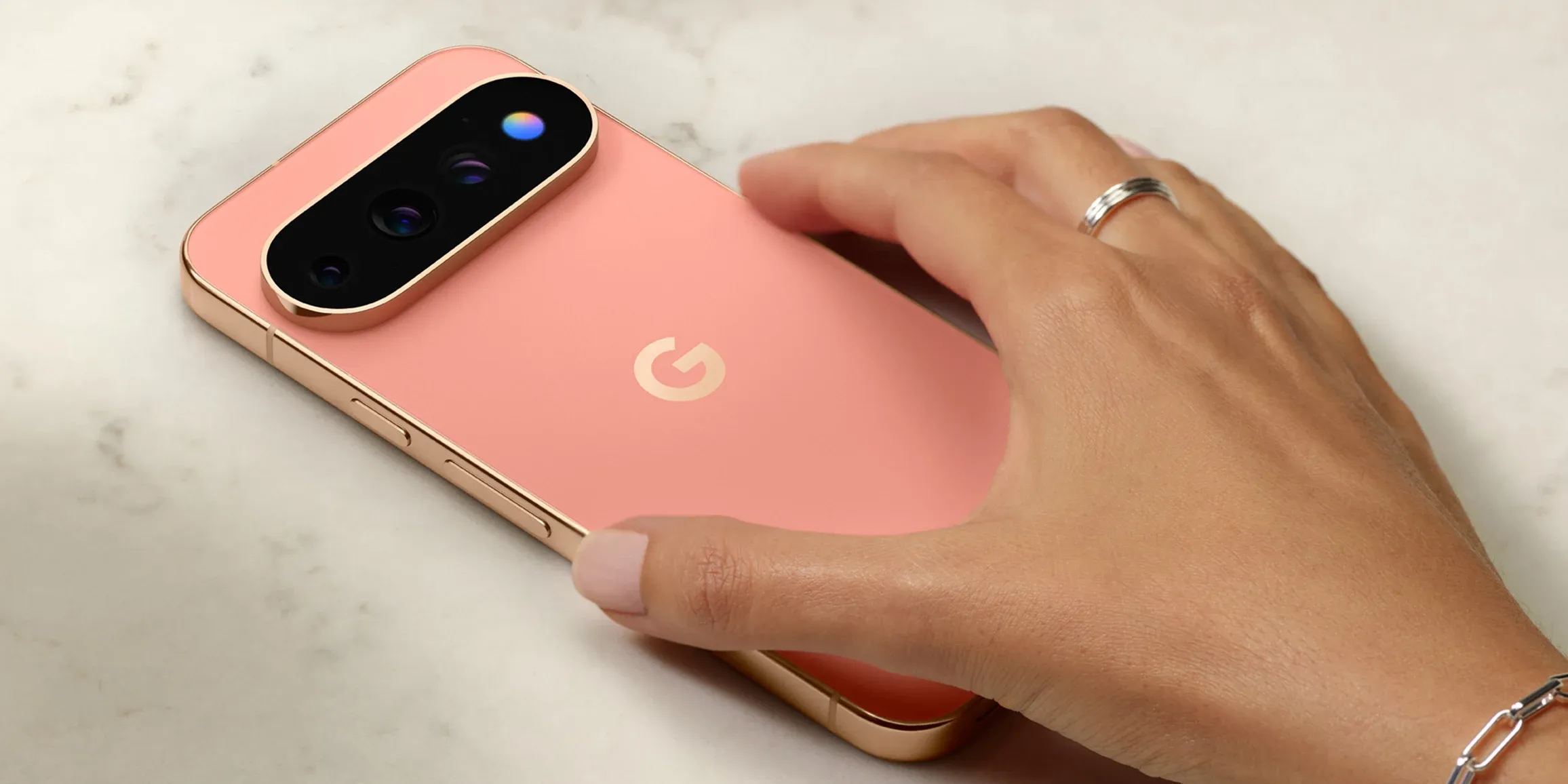
A new Google Pixel 11a leak claims the budget Pixel will run Tensor G6, the same chip debuting in the flagship Pixel 11 on August 12. That's a meaningful claim: the Pixel 10a shipped with a recycled Tensor G4 because the G5 was reportedly too expensive for the A-series price point. Leaker Mystic Leaks now says the Pixel 11a, codenamed "Formosan," would run that same G6 platform from launch.
Why Pixel 11a Tensor G6 would change the A-series calculus
The practical case starts with the phone's feature baseline. When the Pixel 10a launched with the previous-generation Tensor G4, it entered the market already behind the current software baseline for Tensor-dependent features. Some camera and on-device AI capabilities depend on the processing hardware available in each Tensor generation.
Getting the same G6 platform as the flagship Pixel 11 could mean day-one access to those capabilities rather than a delayed or stripped version. No source confirms identical feature parity, but the chip generation gap that created the problem with the 10a would no longer exist.
Tensor G6 is expected to be Google's first chip fabricated on TSMC's 2nm process, Android Authority reported. Newer fabrication nodes generally deliver efficiency improvements alongside performance gains. That trade-off matters more for a mid-range device than a flagship, because a more efficient chip can offset hardware compromises like a smaller battery or constrained RAM without requiring the buyer to notice the difference on paper.
FCC documentation for the Pixel 11 Pro Fold contains references to MediaTek algorithms in an RF component test, adding support to reports that Google is moving away from Samsung Exynos modems. The FCC filings cover the Pixel 11 line specifically; Mystic Leaks also claims the 11a would carry the MediaTek M90 modem, which would bring that platform shift down to the budget tier. Modem differences rarely register in everyday use, but the direction is the same: newer architecture across the board, if the chip claim holds.
What the Google Pixel 11a leak evidence actually supports
The strongest evidence here has nothing to do with silicon. Android Authority found the codename "Formosan" this week inside a public beta of the Phone by Google app, listed alongside four codenames already tied to the Pixel 11, 11 Pro, 11 Pro XL, and 11 Pro Fold. SquaredTech independently confirmed the same list the same day.
A Google codename turning up in Google's own pre-release software confirms active development. It doesn't confirm a finished product, and Android Authority notes that APK teardowns capture work-in-progress code that may never ship in its current form, as the outlet explains.
Every hardware claim in the leaked spec sheet traces to a single source. Tensor G6, Titan M3 security chip, 8GB RAM, the 4,870mAh battery figure, display brightness numbers, the front camera codename "dokkaebi": all of it comes from Mystic Leaks via 9to5Google this week. None of it has been independently corroborated. That's not a disqualifier, but it's the single most important caveat attached to this leak.
One reliability signal worth weighing: Mystic Leaks said as recently as May that the Pixel 11's hardware was "simply still not ready for release." That suggests a leaker with genuine access, but also one working from hardware still in flux months before launch. The 11a is further out. Specs at this stage are provisional.
Three separate confidence levels apply here: the codename is confirmed by Google's own software; the Tensor G6 claim is plausible but single-source; the rest of the spec sheet is early and unverified. Weight them accordingly.
The rest of the rumored package, and why the pricing context matters
If Tensor G6 is the headline, the remaining leaked specs are fine print. The 6.3-inch display carries over from the Pixel 10a at the same 1080×2424 resolution, with a brightness bump to 2,250 nits HDR and 3,350 nits peak. RAM stays at 8GB.
The leaked minimum battery capacity of 4,870mAh is slightly below the Pixel 10a's 5,000mAh minimum; Google lists the 10a at 5,100mAh typical, though if the 2nm chip delivers meaningful efficiency gains, the real-world gap could be smaller than the numbers suggest.
The 8GB RAM figure looks different with flagship context. Leaked specs suggest the base Pixel 11 may also start at 8GB, partly attributed to an ongoing RAM shortage affecting Android hardware broadly, per The Verge. If that holds, the 11a matching the entry-level flagship configuration is a different story than the raw number implies on its own.
Flagship pricing adds another layer. Leaked European figures put the base Pixel 11 at 999 euros, which, if Google's typical conversion pattern holds, would translate to roughly $899 in the US, about $100 more than last year, Ars Technica noted.
That's not a confirmed US price. But as flagships trend more expensive, the A-series' role as the accessible Pixel entry point carries more strategic weight. A Pixel 11a with current-generation silicon at a sub-flagship price would be a stronger value argument than anything the 10a could make.
The gaps that will actually determine whether this phone is worth buying remain unresolved: the US price, rear camera hardware, charging speed, and whether Google ships a full Tensor G6 implementation or a binned variant with reduced capability. This leak answers none of those questions.
What to watch for from here
Google launched the Pixel 10a in March 2026, and both Android Authority and SquaredTech project a Pixel 11a arrival around March 2027 if that cadence holds. There's time for specs to shift. At this stage, they probably will.
Two details will confirm or undercut the G6 story when they surface: what Google charges for the 11a, and whether it ships with the same full Tensor G6 implementation as the flagship or a cost-trimmed version.
The chip alone won't close the deal, but no other variable in this leak carries the same weight on the final verdict. If Google can deliver current-generation silicon at the A-series' historical price point, that's a stronger offer than the 10a made. Whether it can is still an open question.








Comments
Be the first, drop a comment!