






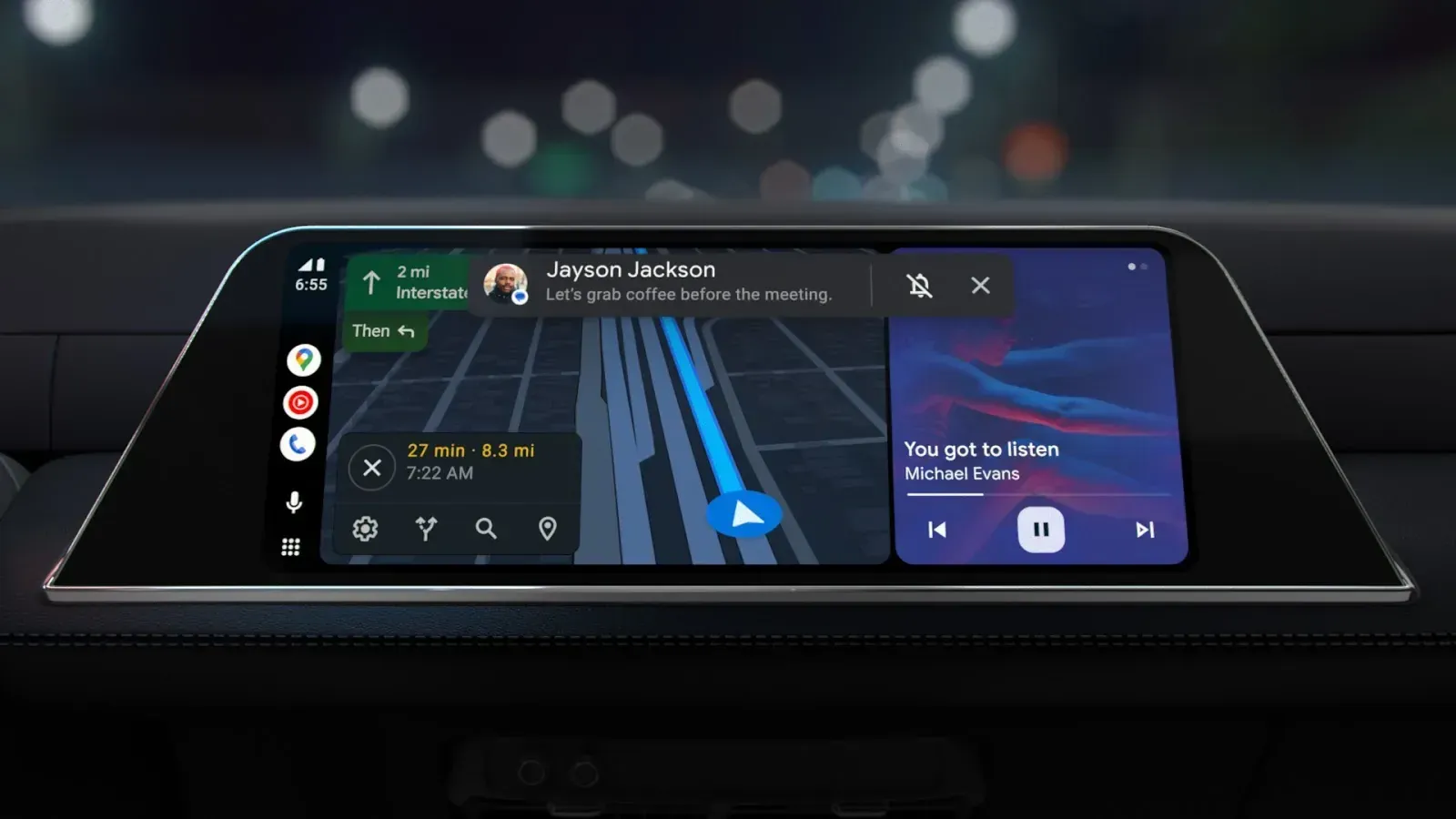
The Android Auto media player redesign that spent months in limited testing is now rolling out to the platform's most popular apps. At the same time, a separate beta feature lets drivers swipe between active media sessions directly from the dashboard. The two changes are distinct, but Google's latest developer documentation points in the same direction: a media layer where the platform controls more of the experience.
The redesigned player, featuring blurred album art backgrounds, a Material 3 Expressive progress bar, and reorganized controls, first appeared in January and is now confirmed to be rolling out across Spotify, YouTube Music, and Pocket Casts, 9to5Google reported. Separately, a beta build of Android Auto now keeps multiple recent media sessions as swipeable dashboard cards, replacing the single-app card that previously dominated the interface, Android Authority reported.
Google's documentation doesn't confirm these live changes are a direct consequence of its new developer rules. What it does show is a platform steering developers toward a more standardized, host-controlled media layer, one where voice support is a hard requirement for Play Store acceptance, the system renders playback controls rather than deferring to each app, and switching between services is designed to cost as little driver attention as possible. The framework isn't fully shipped, but the direction is clear.
What's actually shipping: the new player UI and swipeable dashboard cards
The redesigned now-playing screen is the most visible change. After months in limited testing, Reddit user reports indicate it's spreading widely, and 9to5Google confirmed it has reached Spotify, YouTube Music, and Pocket Casts. YouTube Music also added a more prominent "Thumbs Down" button alongside standard playback controls in the same update.
The dashboard-level change is equally practical. Android Auto previously showed one active media card at a time; the beta now surfaces multiple recent sessions as separate cards users can swipe through. Switching from a podcast to a music app no longer requires navigating away from the main screen.
The swipeable card feature is confirmed working in Android Auto beta version 17.0.162144 but hasn't reached the stable channel, with no timeline for a broader release announced. Users who haven't opted into the Android Auto beta won't see it.
What Google's developer rules require of Android Auto music player apps
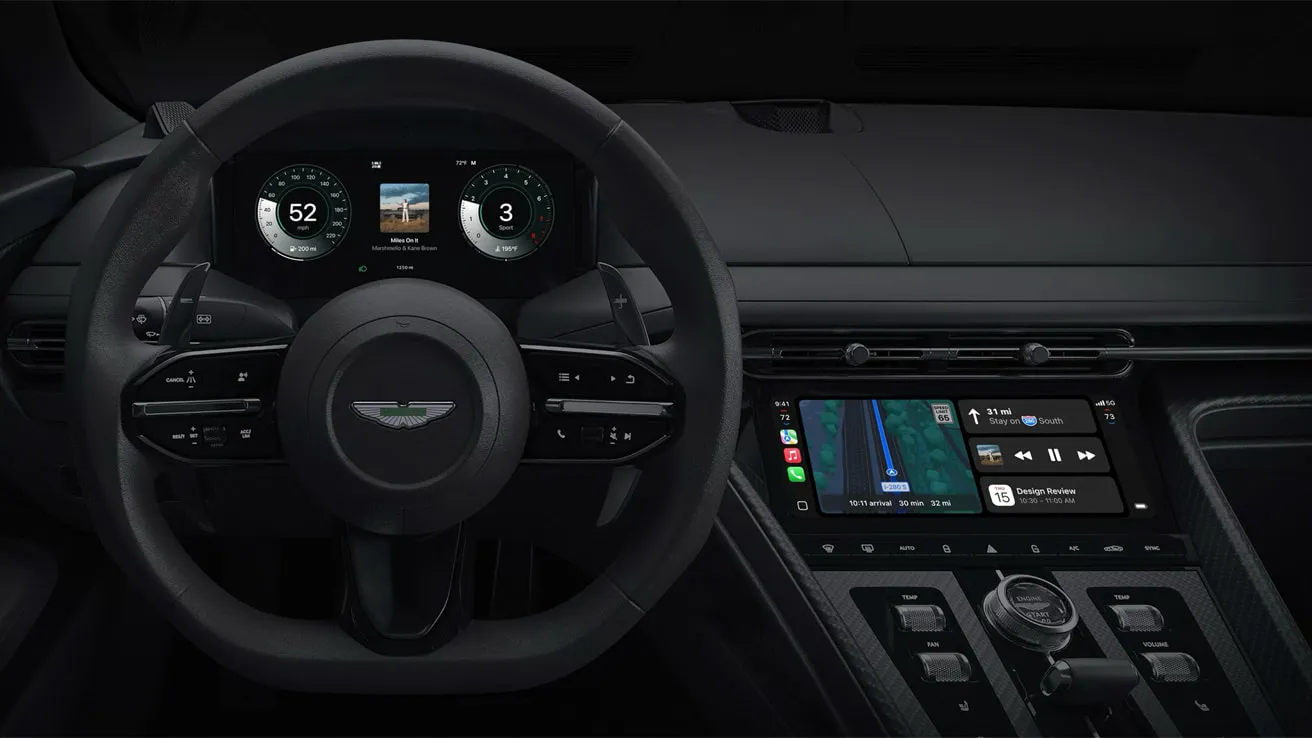
The UI changes don't exist in isolation, even if the causal link isn't confirmed. Google's Car App Library documentation, updated in mid-June, describes a MediaPlaybackTemplate, a standardized playback layout where Android Auto's host system renders controls directly from an app's MediaSession. The app supplies the data; the platform controls how it looks. That's a meaningful architectural shift compared to each app building its own interface.
Worth being precise: the available sourcing doesn't confirm that Spotify, YouTube Music, or Pocket Casts have adopted MediaPlaybackTemplate. What the docs establish is where Google is pushing developers. The current redesigns may be app-side updates that happen to align with that direction, or early implementation of it. The distinction matters for what's confirmed versus inferred.
Google's car app quality guidelines, updated earlier this month, define three tiers that show developers exactly where the bar sits:
Car ready (Tier 3): Large screen compatible, usable while parked
Car optimized (Tier 2): Purpose-built for the center stack display; apps in driving-use categories must meet all applicable requirements to be accepted on Google Play
Car differentiated (Tier 1): Adapts across center console, instrument cluster, and panoramic displays in both driving and parked modes
A related requirement shows how Google expects templated media apps to handle system playback entry points, although the documentation does not directly tie it to the new dashboard cards. When a templated media app receives the system's SHOW_MEDIA_PLAYBACK intent. The app must let users reach MediaPlaybackTemplate from browsing views, or, when using Car App Library 1.9 or later, support the minimized control panel. The dashboard cards aren't just a convenience feature; Google's docs frame the playback screen as the primary surface, and the navigation rules enforce that.
The MediaPlaybackTemplate requires Car App Library API level 8 or higher, and templated media apps remain in beta. Production publishing to Google Play is not yet permitted, per Google's documentation, meaning the most standardized version of this media experience isn't available to most users yet.
Voice support is a Play Store requirement, not a product feature
The same documentation contains a detail that puts the platform's ambitions in sharper focus: supporting voice commands is required to meet the VC-1 quality standard, a requirement applicable to media and navigation apps seeking Google Play approval for in-car use.
What that gap looks like in practice shows up in a hands-on comparison of Spotify, YouTube Music, and Amazon Music conducted by Android Police across daily commutes and longer trips. Gemini compatibility already separates services in concrete ways: Spotify works with Gemini; Amazon Music does not, which the reviewer described as the service's biggest practical limitation. YouTube Music's Gemini integration was where it pulled ahead, combining reliable voice commands with consistent session resumption across drives. This is one reviewer's experience, not platform-wide data, but it illustrates the gap between apps that have leaned into voice and those that haven't.
For drivers, that gap is direct. With a Gemini-compatible app, starting a playlist or resuming an album can happen entirely by voice. Without it, the same task requires tapping through the interface, which is precisely the interaction pattern Google's quality requirements are designed to reduce. Whether Google will standardize or broaden assistant integration across Android Auto more broadly is not confirmed by available sourcing.
What's still broken and what to watch
Smoother design doesn't guarantee a clean rollout. Some YouTube Music users are reporting that the app's Library tab disappears in Android Auto after the update. Resetting the app on the phone appears to fix it, though that assumes users know to look for the workaround rather than assume the feature is simply gone.
The swipeable multi-card dashboard remains beta-only with no public timeline for a stable-channel release, per Android Authority. The MediaPlaybackTemplate framework is also still in beta; production publishing remains off-limits, meaning the most consistent version of this new media experience won't reach most users until Google opens production tracks.
Three things to watch from here: the stable-channel release of swipeable media cards, the continued spread of the redesigned player beyond its three confirmed apps, and the more significant milestone of when Google opens MediaPlaybackTemplate to production publishing. That last one is when the platform shift described in the developer docs becomes the default experience rather than a stated intention.
For users right now: the new player design is arriving across major apps, the multi-card dashboard is available to those on the Android Auto beta, and if YouTube Music's Library tab goes missing after the update, resetting the app on the phone restores it.


Comments
Be the first, drop a comment!