



Six Pixel 11 model numbers have appeared in FCC certification records, confirming MediaTek modem hardware across the lineup and ending the Pixel line's reliance on Samsung modems since the Tensor-powered Pixel 6 generation.
That documentation landed the same day Amazon listings operating under the Google Store banner surfaced pricing, storage specs, and colorways for the base model and several Pro variants. Separately, Pixel Glow, the ambient lighting feature referenced in Android 17 beta code, remains the biggest open question heading into Google's August 12 event in New York City.
The FCC filings provide firmer ground than the beta-code references do. One is official regulatory documentation. The other is software signals still looking for confirmed hardware.
Pixel Glow Pixel 11 design: what the leaked render suggests
References to Pixel Glow appeared in Android 17 beta code describing a back-of-phone hardware feature that would use "subtle light and color" to surface notifications. The concept is a glanceable ambient indicator: a favorite contact calling while the phone sits face-down, a visual cue that Gemini is generating a response.
How-To Geek frames it as a modern take on notification LEDs, comparable to Nothing's Glyph interface, which works on the same behavioral logic of telling you whether something is worth picking up the phone for.
Where the lighting system physically lives is unresolved. Early speculation pointed to a strip running along the camera bar perimeter. A render of the Pixel 11 Pro Fold, published by 9to5Google this week, complicates that theory: the camera bar is slightly narrower than last year's model, with lens cutouts extending edge to edge and no obvious surplus metal where a perimeter ring would sit.
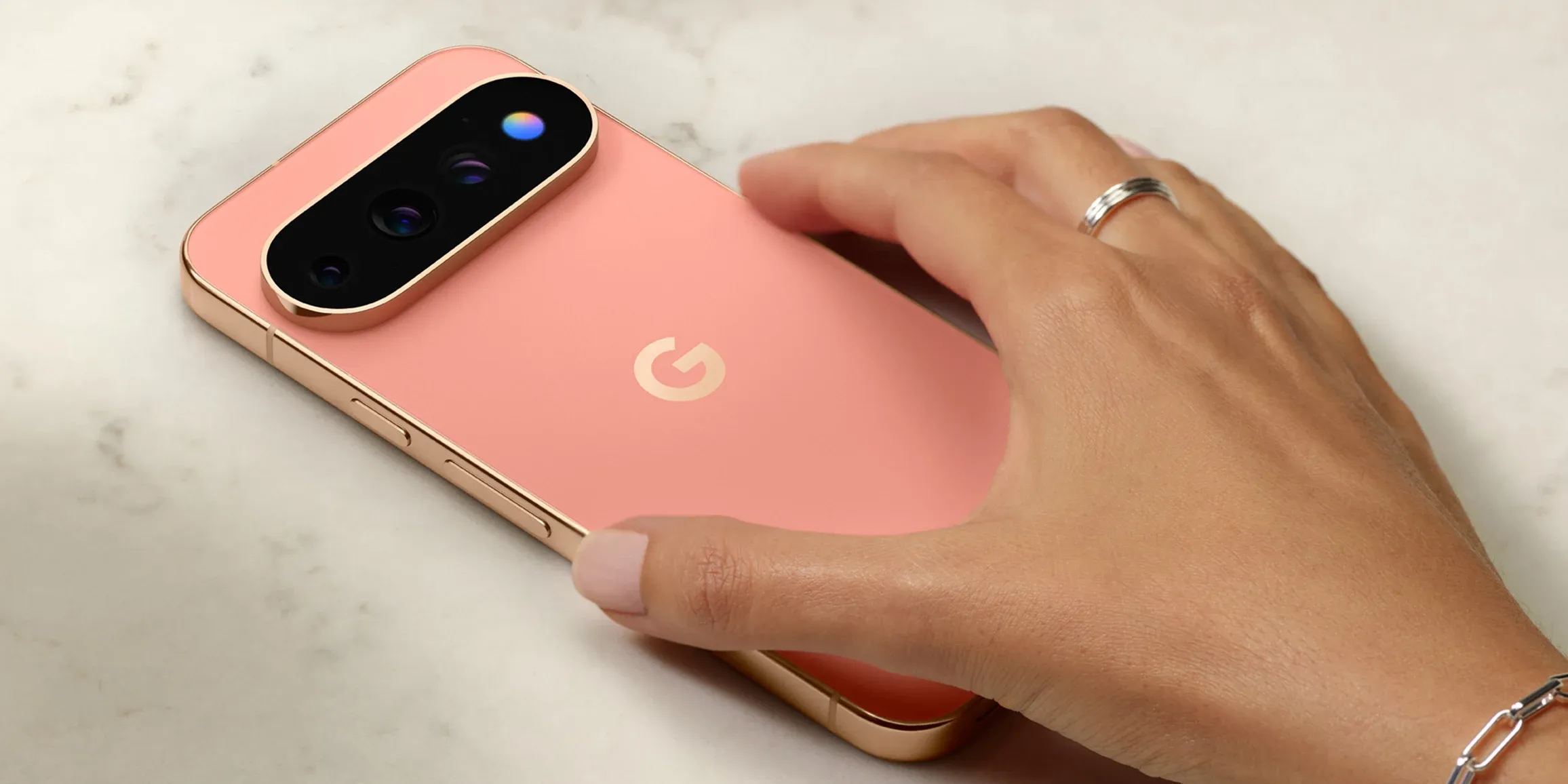
The same render shows a flash module substantially larger than anything on prior Pixel models, nearly camera-lens-sized. 9to5Google raises the question of whether the housing might serve double duty as the Pixel Glow emitter, and is explicit that this is speculation, not confirmed detail.
The render also gives the first visual look at the "Pine" colorway, which had previously leaked in name only. It's a darker green paired with a light gold frame and "G" logo, expected to appear across the Pro and Pro XL as well, though with a glossy frame rather than the Fold's satin finish. The back of the device is otherwise described as nearly identical to the Pixel 10 Pro Fold.
What the evidence cannot answer yet: whether Pixel Glow ships across the full lineup or only Pro models, whether it works with third-party apps or stays within Google's own software, and whether the oversized flash theory holds beyond the Fold render. The beta code references are real. The physical implementation is still inference.
The modem switch: what the FCC filings actually show
FCC certification listings for five Pixel 11 devices, first reported by Droid Life and covered by 9to5Google this week, point to MediaTek modem hardware across the expected lineup. That marks a departure from the Exynos-based Samsung modems used in prior Pixel generations.
The change was expected: 9to5Google notes Google had reportedly been testing MediaTek modems for the Tensor G6 chipset since last year, so the FCC documentation confirms an anticipated shift rather than announcing a new one.
The filings show 5G and satellite-connectivity support, while mmWave availability appears to vary by model number. Some certified model numbers list UWB and Thread support, while the two believed to correspond to the base Pixel 11 do not. The filings don't map model numbers cleanly to specific variants, so which tier loses those features is an informed inference rather than a stated fact.
Beyond model numbers and network bands, the filings don't yield much else. How-To Geek reported earlier this month that Samsung modems had been "sometimes criticized for unreliability," and the MediaTek switch now moves from rumor to documented hardware spec. Whether that translates to meaningfully better real-world connectivity is a question reviewers will need to answer, not regulators.
The expected lineup remains Pixel 11, Pixel 11 Pro, Pixel 11 Pro XL, and Pixel 11 Pro Fold. Six certified model numbers against four expected model names likely reflect regional or carrier variation, though that attribution cannot be confirmed from the filings alone.
Google Store Pixel 11 teaser: what the retail listings signal
The more telling detail about the Amazon listings that surfaced this week isn't the color names. It's that they are sold and shipped by Amazon under the Google Store banner, appearing about a month ahead of the August 12 event, per 9to5Google. That suggests Amazon pages are being prepared for multiple launch SKUs, not just placeholder pages waiting to be filled.
The listings have obvious errors. The Android version cited is Android 16; the listings' reference to that version conflicts with the expectation, flagged explicitly by 9to5Google, that these phones will ship with Android 17.
Color names conflict between titles and product descriptions: titles use "Obsidian," "Hibiscus," and "Pistachio," while the descriptions reference "Midnight," "Fuchsia," and "Moss," the latter set aligning with prior leaks. A model identifier in the titles, "4CS4," had previously been associated with Pixel 11 in earlier leaks, per 9to5Google.
The pricing and storage figures are consistent with earlier reporting and appear more reliable than the color-name discrepancies suggest. The base Pixel 11 is listed at $899 with 256GB of standard storage, double the 128GB that has defined the base model for years, per 9to5Google.
A separate report puts the price increase across the full lineup at roughly €100 ($114) per model, per How-To Geek. Shortly after the initial report, listings for the Pixel 11 Pro appeared in "Dune" and "Sterling," and the Pixel 11 Pro Fold in "Pine" and "Midnight," expanding the picture of how much retail inventory is already in place.
Additional spec details from the listings point to iterative hardware changes rather than a redesign. The base Pixel 11 shows 12GB RAM, a 6.3-inch 1080x2424 display, a 4,985mAh battery slightly higher than last year's, and a weight of around 204g, per 9to5Google. Leak-based reporting on physical design runs the same direction: slimmer bezels on the base phone, a marginally thinner Pro, a narrower camera bar on the Fold, per The Verge.
The 12GB RAM figure also appears to disprove an earlier leak claiming Google might drop the base model to 8GB. One additional listing detail: all three base model pages mention a "Google Pixel Tag" as a compatible accessory, though 9to5Google notes no such tracker currently exists, despite years of rumors.
What August 12 still needs to answer
Google confirmed the Made by Google event in New York City earlier this month. The invite included a brief animation appearing to show a gold-colored device and said little beyond the date and location, per The Verge.
The event kicks off at 6PM ET, an unusual evening slot for a hardware launch. Last year's Pixel 10 event, which featured Jimmy Fallon and a live studio audience, took place August 20, with the base and Pro models going on sale August 28.
Pixel Glow is the variable August 12 will resolve. Which models carry it, whether it extends to third-party apps, and whether the physical implementation matches the ambition of the beta code are all still open. The oversized flash theory is worth watching. Google has now teased a glowing camera-bar element, but it has not confirmed the Pixel Glow name, supported functions, or model availability.
What is confirmed: five devices cleared FCC certification with MediaTek modems, retail listings under the Google Store banner have staged inventory for multiple SKUs, and the base model appears to retain the Pixel 10's 256GB price while dropping the cheaper 128GB entry tier.
The pre-event picture is built from three different kinds of evidence: official regulatory filings, retailer listings with visible errors, and beta-code clues without hardware to attach them to. Keeping those categories separate is the clearest way to read what's known heading into August 12.






Comments
Be the first, drop a comment!