






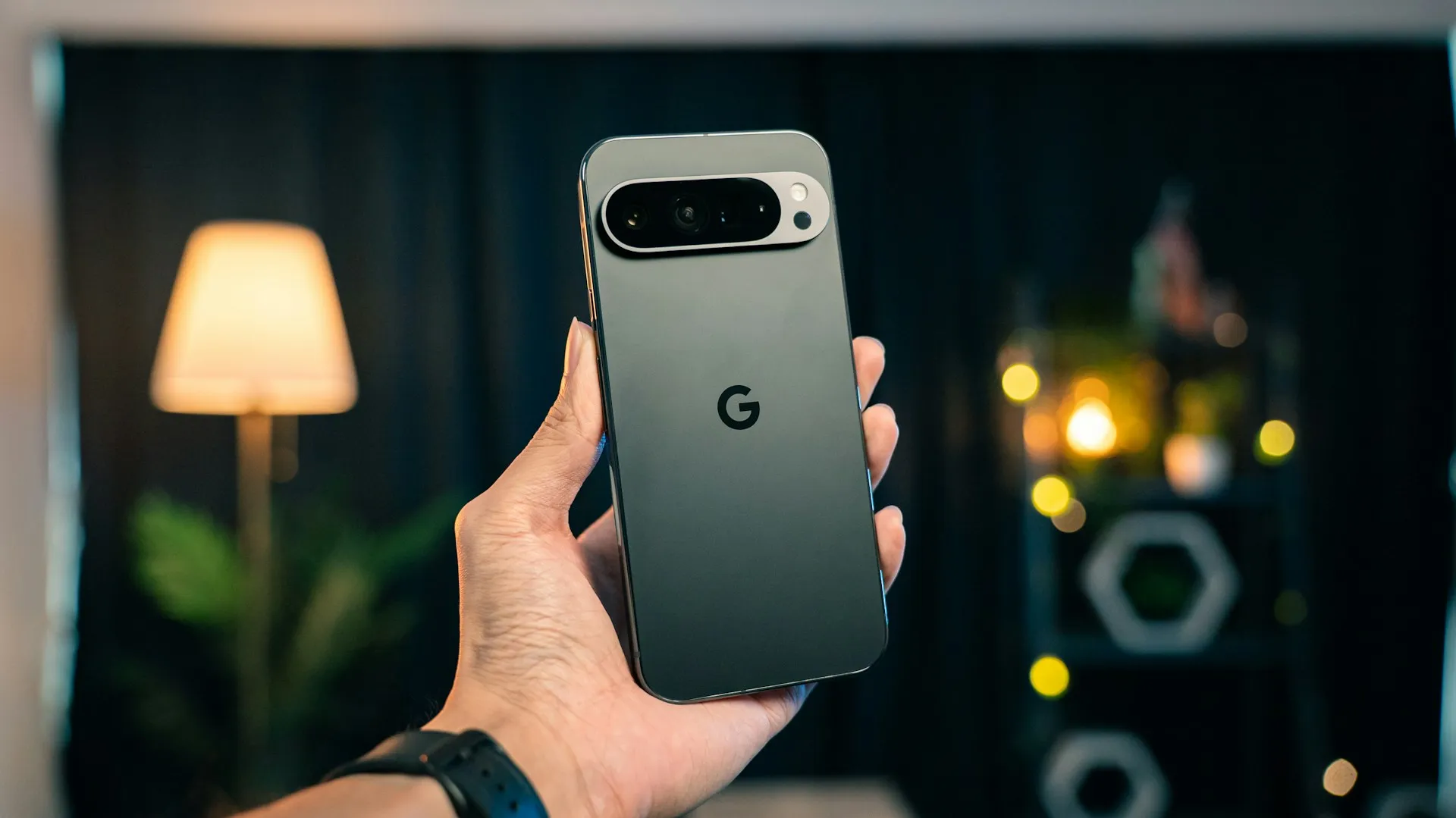
The short answer: it already has. Google has matched one of its lowest official Pixel 10 prices and set a new Google Store low for the Pixel 10 Pro. Whether those prices go lower after the launch is the harder question, and it splits into two very different answers depending on which model you're considering and what you mean by "cheaper."
Right now, Google has cut the standard Pixel 10 by $200 to $599 across every colorway, and slashed the Pixel 10 Pro 128GB in Obsidian by $300 to $699. Both are live on the Google Store and Amazon. Both expire before August 12. That timing matters, because buyers hoping to use the current deals as a floor, assuming something better will surface after the Pixel 11 launches, are betting against what the evidence actually shows.
One geography note: this piece is written for US buyers. Pixel 11 pricing data comes almost entirely from European leak sources, and confirmed US figures haven't surfaced. Where European data informs the analysis, it's labeled clearly.
The current deals, precisely:
Pixel 10 (128GB, all colors: Indigo, Obsidian, Frost, Lemongrass): $599, down $200, through July 26 at the Google Store and Amazon
Pixel 10 Pro (128GB, Obsidian only): $699, down $300, through July 26, the deepest official Google Store discount on this device to date, beating Prime Day pricing by $50
Pixel 11 launch event: reportedly around August 11 or 12, with August 20 as the widely reported release date
The upfront verdict: If the $699 Pixel 10 Pro Obsidian fits your needs, buy it before July 26. The base Pixel 10 is a closer call. Cross-shopping against the Pixel 11? Hold off until the announcement. Everything that follows explains the reasoning.
What the pre-launch discounts signal, and what they don't
The base Pixel 10 discount covers every color and runs across two major retail channels simultaneously. That's the profile of a deliberate clearance push ahead of a product transition, not a one-off markdown.
Android Authority described it this week as Google "quietly" cutting prices across the flagship line, which captures the absence of any announcement or promotional fanfare. This is the kind of move a manufacturer makes when it wants inventory moving without drawing attention to the fact that the current generation is nearly over.
The Pixel 10 Pro deal is stranger. It applies to one specific variant at a reduction Google hasn't offered before on any configuration of that device. 9to5Google noted that no explanation has been given for why this single SKU received such an aggressive cut, and raised the possibility that Google may have excess inventory of that particular configuration.
Plausible, but unconfirmed. The more selective and aggressive a discount is, the more it tends to reflect something specific happening at the inventory level rather than a coordinated pricing strategy.
Both deals share one feature that matters for how buyers should interpret them: they expire before the Pixel 11 is announced. These are temporary promotions. The list prices haven't changed. Miss the window and the price snaps back to MSRP, at least until the next sale cycle. Anyone treating these discounts as a preview of post-launch pricing is reading them as something they're not.
What the current discounts do not confirm is any permanent reduction in Pixel 10 MSRP tied to the Pixel 11 launch. That distinction, between a recurring promotional discount and a formal price repositioning, shapes the entire question of whether waiting makes sense.
What we actually know about Pixel 10 pricing after the Pixel 11 launches
Less than most coverage implies. The tiers of certainty here deserve to be separated clearly.
9to5Google characterized the current promotions this week as likely "one of the last deals before the Pixel 11 is announced," which implies a quieter period around the launch event, not a wave of deeper discounts immediately following it. PhoneArena wrote that once the Pixel 11 arrives, Pixel 10 prices "should drop further."
That's a reasonable market expectation, not a sourced plan from Google. The research available here doesn't include historical data on how Google has specifically treated outgoing Pixel flagships in the weeks following a new launch, so the analysis has to stay close to what the current reporting cycle actually shows.
Two post-launch scenarios are realistic for the Pixel 10:
The likely scenario: Periodic promotional discounts through Google Store, Amazon, and possibly carrier bundles, similar to what's running now. The Pixel 10 dips below list during sale windows and returns between them. No formal Google announcement required; this is simply how outgoing flagships tend to behave after a successor lands. The current pre-launch discounts fit neatly into this pattern.
The less certain scenario: A permanent MSRP reduction that formally repositions the Pixel 10 at a lower tier in Google's lineup. This would be meaningfully better for buyers who wait, because it would mean sale prices building from a lower floor. Nothing in the current reporting cycle confirms this is planned. It's a possible outcome, not a probable one based on available evidence.
The crisp way to state the working conclusion: the most likely post-launch outcome is that the Pixel 10 becomes a recurring promotional deal rather than a structurally cheaper phone. Expect the price to move in cycles rather than settling permanently below current levels.
What's confirmed, what's inferred, and what's unknown:
Confirmed: The Pixel 10 is $599, while the 128GB Pixel 10 Pro in Obsidian is $699. Both deals are available through the Google Store and Amazon.
Confirmed: The Pixel 10 Pro deal is the deepest official Google Store discount on the device to date, beating its Prime Day price by $50.
Confirmed: The Pixel 10 deal expires July 26, while the Pro deal ends August 2—both before any Pixel 11 announcement.
Leaked from a single underlying source: European Pixel 11 prices may increase by roughly €100, while UK prices may rise by about £80. The 128GB tier may also be discontinued.
Outlet inference: Pixel 10 prices "should drop further" after the Pixel 11 launches.
Unknown: U.S. Pixel 11 pricing, any formal reduction to the Pixel 10 MSRP, and Google's post-launch promotional calendar.
The unknown that reshapes everything else: US Pixel 11 pricing. No figures have surfaced.
Should you wait to buy Pixel 10, or buy now? What the Pixel 11 pricing data tells us
The European leak data points to a Pixel 11 lineup that costs more at entry and eliminates the 128GB option entirely. Those figures come from Dealabs. Multiple outlets covered them, but they trace back to a single underlying source. The apparent consensus isn't fully independent confirmation, and it's worth holding that in mind before treating the European figures as settled.
With that caveat registered, the substance of what's been leaked is worth examining carefully, because the "price hike" framing that's dominated coverage obscures something important.
According to The Verge, the Pixel 11 would reportedly start at €999 with 256GB, while the Pixel 10 started at €899 with 128GB. That €100 nominal gap reads as a price increase. But the 256GB configuration of the Pixel 11 is reportedly priced in line with what the Pixel 10 cost at 256GB.
As 9to5Google, the Pixel 11 and Pixel 11 Pro are essentially following the same pattern as the Pixel 10 Pro XL: a "price hike" that matches the prior generation's higher-storage pricing. The increase is largely a function of removing the cheaper entry point, not a straight-line hike applied evenly across all configurations.
For US buyers, this creates a specific comparison worth working through. At $599, the current Pixel 10 deal gets you 128GB. If the Pixel 11 arrives without a 128GB option at all, as the leak suggests, then any real comparison between the two devices has to happen at the 256GB tier. The price-versus-storage math shifts considerably when the entry points aren't equivalent.
PhoneArena noted that US buyers being spared entirely from price increases would be surprising given the European trajectory, and estimated $50 to $100 hikes on most US models as a working assumption. That figure is explicitly the outlet's own guess, not a sourced price from Google or a leaked document.
If that estimate proves directionally correct, and the Pixel 11's US floor comes in meaningfully higher than the Pixel 10's current discounted prices, the older device becomes an easy choice without needing any further price cuts. It would simply be the cheaper phone. That's the scenario where $599 or $699 looks like a deliberate buy rather than a consolation prize. Whether it materializes depends entirely on what Google announces in August, and right now, US pricing is genuinely unknown.
The decision, by buyer type
Buy before July 26: the $699 Pixel 10 Pro (128GB, Obsidian)
This is the sharpest deal in the current cycle, applied to a single SKU, at a price Google hasn't offered before on any configuration of that device. If this was already the phone you were leaning toward, the case for waiting is thin. There's no evidence a deeper discount on this specific variant is coming. The selective nature of the promotion may reflect inventory specific to this model; the deal expires before any Pixel 11 clarity arrives, and once it's gone, there's no guarantee it returns at this level. The risk of waiting is concrete; the potential reward is speculative.
Consider waiting: the base Pixel 10 at $599
The $200 discount across all colors and both major retail channels looks like standard pre-launch clearance rather than a configuration-specific anomaly. Post-launch promotional pricing at comparable levels is plausible for this model, not confirmed, but plausible. The distinction between this deal and the Pro discount matters: a broad multi-color, multi-channel sale is more likely to recur than a targeted single-SKU markdown. If your need isn't urgent and a few weeks of uncertainty is tolerable, waiting past July 26 to see what emerges around the Pixel 11 launch is a defensible call. You might get a comparable price again. You might not.
Wait for the announcement: if you're cross-shopping against the Pixel 11
The announcement event, expected around August 11 or 12, will answer the question the European leak data can't: what does the Pixel 11 actually cost in dollars? Once Google puts US pricing on the table, the comparison becomes concrete rather than speculative. If the Pixel 11 starts meaningfully higher than the Pixel 10's current discounted prices, which the European trajectory suggests is possible, then the Pixel 10 at current or near-current prices becomes the straightforward choice. If US pricing defies the European pattern and comes in close to Pixel 10 levels, the calculus shifts. Either way, the wait is short.
One scenario worth flagging explicitly: if the Pixel 11 launches without a 128GB option, as the leak suggests, the $599 Pixel 10 with 128GB occupies a storage tier that may simply disappear from Google's lineup. That's not a reason to panic-buy, but it is a reason to factor storage into the comparison more deliberately than you otherwise might.
What August 12 resolves, and what it doesn't
The Pixel 10 Pro 128GB Obsidian at $699 is the one deal in this cycle with a clear, firm expiration cost: buy it by July 26 or lose the best price on record for that specific device. That's as concrete as any of this gets. If that configuration fits what you need, the decision is already made.
Everything else waits on August 12. Three questions will resolve most of the meaningful uncertainty:
Does the Pixel 11 launch without a 128GB option, as the leak suggests, effectively positioning the Pixel 10 as the only entry-level choice in Google's current lineup?
What is the US entry price? Does it follow the European trajectory upward, or does Google price differently for the US market?
Do Pixel 10 promotional prices return at Google Store, Amazon, or through carrier deals after launch, and how quickly?
The first two get answered on announcement day. The third plays out in the weeks that follow. Together, they'll determine whether a discounted Pixel 10 is a deliberate, well-timed buy or simply the best available option by default.
For now: the $699 Pro deal has a deadline, and missing it costs something real. The base Pixel 10 deal is worth letting expire if waiting is an option. And US Pixel 11 pricing, the one number that would settle this entire analysis, remains unknown until Google decides to share it.
The Pixel 10 price drop picture: what's confirmed, what's still coming
The Pixel 10 is already at record-low official pricing. The question of whether it gets cheaper after the Pixel 11 arrives splits into two separate answers, and conflating them leads buyers to the wrong decision.
The $300 Pro discount is the single deepest markdown Google has applied to that device, beats Prime Day pricing by $50, and expires July 26 before any Pixel 11 clarity. Leaked European data points to a Pixel 11 lineup that costs more at entry and drops the 128GB tier, though the "price hike" story is more nuanced than headlines suggest. Post-launch promotional discounts on the Pixel 10 are a reasonable expectation; a confirmed permanent MSRP reduction is not supported by anything in the current reporting cycle.
Buy the $699 Pro deal if it fits. Otherwise, let August 12 answer the question that the current data can't.











Comments
Be the first, drop a comment!