





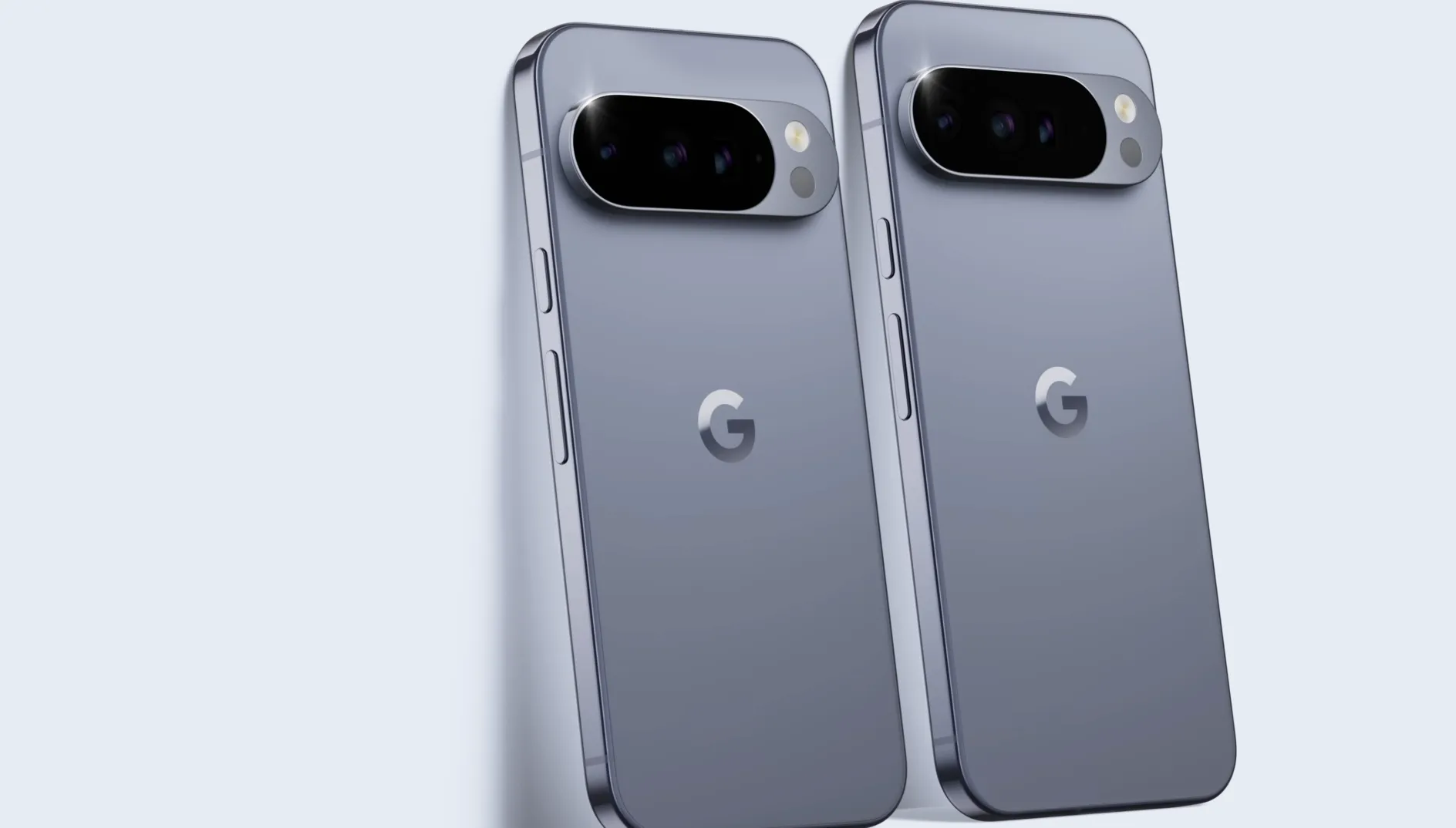
Google Pixel gaming performance issues reported after last month's Android 17 update remain unresolved across multiple device generations, with neither the July security patch nor a follow-up Google Play System update this week resolving the complaints for affected users, Android Authority reported. Pixel 8, Pixel 9, Pixel 10 Pro, and Pixel 10 Pro XL owners are all among those affected. Google has not publicly acknowledged the problem or explained its cause.
The games stuttering on these devices aren't graphically demanding. Clash Royale, Brawl Stars, Hill Climb Racing 2, and Pokémon Champions — relatively lightweight titles that should not normally challenge a flagship phone — are the ones most consistently cited in user reports. One user put it plainly: their Pixel 10 Pro XL couldn't smoothly handle a game any budget phone manages without effort.
What users are reporting: lag, stutter, and a July update that changed nothing
Reports of degraded performance surfaced almost immediately after Android 17's stable rollout in mid-June. Many users had assumed the lag visible in the beta build would be caught before release. It wasn't. Users were "truly shocked" to see the problem carry over into the stable release, the outlet reported two weeks ago.
One Pixel 10 Pro owner posted on Reddit that games they'd played without issue began stuttering within days of installing the update, even after multiple restarts. A Pixel 8 owner described something similar: games freezing during fast-motion scenes, the whole phone feeling sluggish since upgrading, Phandroid reported.
The symptoms are consistent across reports. Games that ran fine before June now stutter or drop frames, closing background apps makes no difference, and at least one user reported worsened battery life and overheating alongside the gaming problems, which Android Authority noted may point to problems with power and thermal management beyond frame delivery alone.
Two updates have come and gone since then. The July security patch landed last week; the Play System update arrived earlier this week. Neither fixed anything for affected users, Android Authority confirmed today.
The evidence base here is worth being clear about. All the coverage draws primarily from user complaints aggregated from Reddit and forums no outlet has published controlled before-and-after benchmarks. That doesn't make the reports unreliable, but the problem is better characterized as credible and consistent than as technically confirmed. A reporter at 9to5Google tested several games on a personal Pixel 10 running Android 17 and encountered no problems. The same outlet concluded the issue wasn't particularly widespread but noted there were "too many reports to ignore."
Which devices and games are affected by the Pixel 10 Pro gaming lag
The bug isn't tied to any single Pixel model. Complaints span Pixel 8, Pixel 9, Pixel 10 Pro, and Pixel 10 Pro XL owners across at least three hardware generations, with Android Authority centering much of its coverage on Pixel 10 Pro users while referencing multiple device owners more broadly. The reporting from two weeks ago confirmed the problem doesn't appear exclusive to any particular model.
The affected titles are the more telling detail. Clash Royale, Brawl Stars, Hill Climb Racing 2, and Pokémon Champions are named consistently across all four outlets. 9to5Google described them as "mid-tier titles" and noted the stuttering appeared linked to restricted GPU performance rather than anything specific to the games themselves. Brawl Stars, a step above the lightest casual titles but still far from demanding, was described as "totally unplayable" by at least one affected user, according to the same report.
The issue is intermittent, not universal. Some users run the same titles on the same devices without any trouble, Android Authority noted. That inconsistency makes the problem harder to pin down, but the volume of independent reports across four outlets over two weeks makes a single isolated hardware fault less likely.
Why this is different from Pixel's existing gaming limitations
Pixel's GPU underperformance relative to competitors is not new. Android Authority's benchmarking earlier this year found Tensor delivered roughly a 50% GPU performance improvement across five chip generations, while Snapdragon competitors posted approximately 300% gains over the same period. In practice, the latest Pixel barely sustains 40 fps in Genshin Impact at maximum settings; Snapdragon rivals hit 120 fps in Call of Duty Mobile. Gaming doesn't appear on the Pixel 10's official product page at all.
That baseline is what makes the current situation a distinct problem rather than just hardware doing what it always has. Tensor's structural GPU ceiling is a known constraint that Pixel buyers have implicitly accepted; games that couldn't handle demanding titles before June still can't. But games that were running fine before June, lightweight titles and casual games, are now stuttering on the same hardware, the outlet noted two weeks ago. That's a regression on top of an existing limitation.
Android 17 was supposed to move in the opposite direction. Phandroid reported two weeks ago that the update introduced a Google-built system called DeliQueue, designed specifically to reduce dropped frames, along with memory management changes targeting smoother high-definition gaming. Those features arrived in the same update, now associated with multiple frame-rate complaints.
The gaming regression wasn't the only problem in the rollout. Android 17 broke touchscreens on some Pixels, and 9to5Google reported intermittent Wi-Fi disconnections affecting a separate group of users, with connections dropping "every few minutes" in some cases, echoing connectivity problems that had hit Pixel devices earlier this year before apparently resurfacing in the Android 17 stable build. Of the issues from this rollout, gaming complaints remained unresolved after the July update.
What's known, what isn't, and what affected users can do
The root cause remains unconfirmed. Users point to Android 17, but 9to5Google flagged a possible partial link to a concurrent Google Play System update, with no certainty on either side. Whether the culprit is the OS update itself, a GPU driver change, a Play Services update, or a shift in power management behavior is still open. Google has not said anything specific about the gaming bug.
Community workarounds exist, but none have proven consistent. Adjusting GPU driver preferences and ANGLE settings in Developer Options is the most commonly suggested fix, though the outlet explicitly advised against recommending this to typical users and noted the fix was not personally verified. Separately, at least one Redditor reported that the June Google Play Services update restored normal frame rates in Clash Royale and Brawl Stars, while another replied that lag persisted on their device regardless, per the same report. No fix has worked reliably across devices.
For affected users, the practical options are limited. Confirming the pattern is the first step: if lightweight games that worked before June are now stuttering, closing background apps makes no difference, and the July update didn't help, that matches what's been reported across multiple outlets. Skipping the Developer Options workaround is reasonable unless you're comfortable navigating system settings and willing to accept that the fix isn't verified to work. Submitting feedback through Google's built-in mechanism (Settings → Send feedback) adds to the problem's visibility.
The August Pixel update and Play System patch notes are worth watching closely. If GPU driver behavior or game performance gets a mention, that's the clearest signal Google has found the issue. Silence, again, would tell its own story.
Two updates in, a month after Android 17 shipped, Google has yet to acknowledge the gaming bug publicly. Users waiting for a fix have no timeline to work from.




Comments
Be the first, drop a comment!