





Google Pixel 11 Pro Fold vs Motorola Razr Fold: Buy Now or Wait?
For three years, buying a book-style foldable in the US meant choosing between Samsung and Google. That changed in May 2026 when Motorola shipped the Razr Fold, and the reception was decisive. Android Authority called it "the new best foldable to buy" for most people; Engadget rated it 8.8/10 and called it a genuine rival to both. It launched at $1,899, slightly less than the Pixel 10 Pro Fold's $1,919, which means Motorola isn't asking anyone to pay a premium to switch.
So should you buy Motorola's Razr Fold now, or wait for Google's Pixel 11 Pro Fold? For most people, the answer is simpler than it looks. The Razr Fold is the stronger choice today. Waiting makes sense only for a specific set of priorities, and this piece spells out exactly what those are.
One framing note: the Pixel 11 Pro Fold hasn't launched. Through most of this article, the direct comparison is Razr Fold versus Pixel 10 Pro Fold, with clearly labeled sections separating confirmed facts from projections about the upcoming Google device.
Living with these phones: displays, ergonomics, and daily usability
On foldables, weight, cover-screen usability, and software matter more than raw benchmark scores. These are the specs that determine whether you actually enjoy carrying the thing.
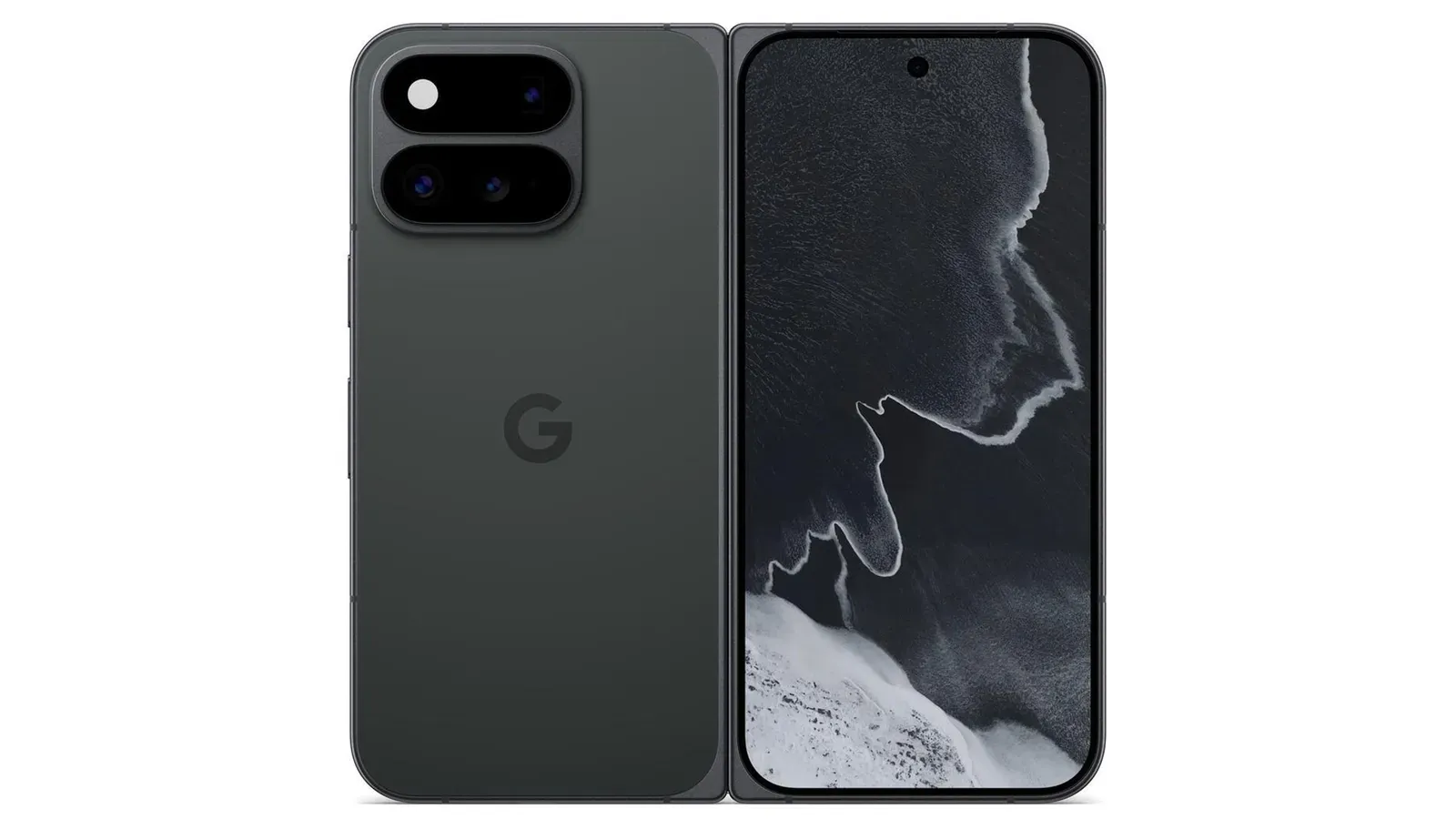
Weight and form factor: The Pixel 10 Pro Fold weighs 258g, 15g heavier than the Razr Fold's 243g. Android Authority noted this month that the Pixel 10 Pro Fold weighs nearly as much as the non-folding Galaxy S26 Ultra, and 43g more than the Samsung Galaxy Z Fold 7 at 215g. Neither phone is light, but 15g is a real difference over a full day.
Displays: The Razr Fold's 8.09-inch inner display uses LTPO P-OLED technology with up to 6,200 nits of peak brightness. Its 6.56-inch cover display matches that panel technology, hits 6,000 nits, and carries a 21:9 aspect ratio that makes it genuinely usable for most tasks without opening the phone (Motorola Support). The Pixel 10 Pro Fold's cover display runs at a fixed 120Hz without LTPO, meaning no variable refresh rate and an always-on display limited to black backgrounds, a noticeable step down in daily convenience, as Android Authority described this month.
Multitasking software: This is where Google's result is most surprising, given that it builds Android. The Razr Fold automatically suggests split-screen app pairings, opens web links in split views, and lets users switch any app to a floating window via a three-dot menu, multitasking that feels built for the form factor rather than bolted on (Android Authority, this month). The same publication described the Pixel 10 Pro Fold running Android 17 as "lackluster" and "not on par" with Samsung or Motorola equivalents on foldable-specific software.
Stylus support: The Razr Fold is the only US book-style foldable with native stylus support, per Android Authority. Motorola's Moto Pen Ultra ($100 extra, per Engadget's review) works across both displays with pressure sensitivity, tilt detection, and customizable shortcuts via a physical button (Android Authority, at launch). The pen ships with its own USB-C charging case rather than storing inside the device. If handwritten notes are part of your work, this alone narrows the field.
Battery, charging, and performance: the numbers that decide most purchases
Battery endurance: The Razr Fold ships with a 6,000mAh silicon-carbon cell (Motorola Support). In Engadget's standardized video rundown test, it lasted 24 hours and 22 minutes, compared to 21 hours and 20 minutes for the Pixel 10 Pro Fold. Android Authority's real-world testing pushed harder: nearly 5.5 hours of screen time, GPU benchmarks, and extended 5G still left the Razr Fold at 27% at midnight. The Pixel 10 Pro Fold's 5,015mAh battery can stretch into a second day with moderate use, according to Android Authority, but it's competing against a phone with a fundamentally larger cell.
Charging: the fine print matters: Motorola advertises 80W wired and 50W wireless. Both figures require proprietary hardware not included in the box. Hitting 80W wired means buying Motorola's TurboPower charger separately for $100; without it, Android Authority measured an average of around 32W using a third-party 150W charger. The 50W wireless speed requires a separate proprietary charger Motorola doesn't currently sell; without it, wireless tops out at 15W. Buyers expecting the headline specs should budget around $2,000 before they experience them, and the 50W wireless figure isn't achievable at any price right now.
With the proprietary wired charger, the Razr Fold goes from dead to 50% in about 20 minutes and to full in roughly 52 minutes, per Android Authority, still well ahead of the Pixel 10 Pro Fold's 30W ceiling.
Processor: The Razr Fold runs a Snapdragon 8 Gen 5 with 16GB of RAM (Motorola Support). The Pixel 10 Pro Fold uses Google's Tensor G5. Android Authority reported this month that the Razr Fold's non-Elite Snapdragon 8 Gen 5 outperformed the Tensor G5 in head-to-head testing, a notable result given Google's long-running pitch around Tensor's AI strengths.
Where Google still has a defensible case
The Pixel isn't without genuine advantages. They're narrower than they used to be, and increasingly conditional on how you use the phone.
Durability and water resistance: The Pixel 10 Pro Fold carries a full IP68 rating. The Razr Fold has IP48/IP49 certification, which covers splashes and submersion up to five feet for 30 minutes, per Engadget's review. For many buyers, that difference may never matter; for outdoor or trade work, it probably will.
Wireless charging ecosystem: The Pixel 10 Pro Fold was the first US foldable to support Qi2 magnetic wireless charging, giving it full compatibility with the MagSafe-compatible accessory ecosystem (Android Authority, this month). Motorola skipped Qi2 on the Razr Fold entirely, locking wireless charging to its proprietary standard. For anyone already invested in Qi2 accessories, this is a genuine practical difference, not a spec-sheet footnote.
Software longevity, with a caveat: Google guarantees seven years of OS and security updates from launch. The Pixel 10 Pro Fold is already running Android 17, which Android Authority recently described as the best Android experience currently available, specifically citing Material 3 Expressive design as a high point. Motorola has also promised seven years of software upgrades, but its official support page lists security updates only through March 2030, approximately four years, alongside a separate "Security Upgrade Commit" of up to five years. Those three numbers, seven, five, and four, don't align cleanly. Android Authority also noted that Motorola has historically slipped from bi-monthly to tri-monthly patch cadences in practice. Google's seven-year commitment comes with a track record; Motorola's doesn't.
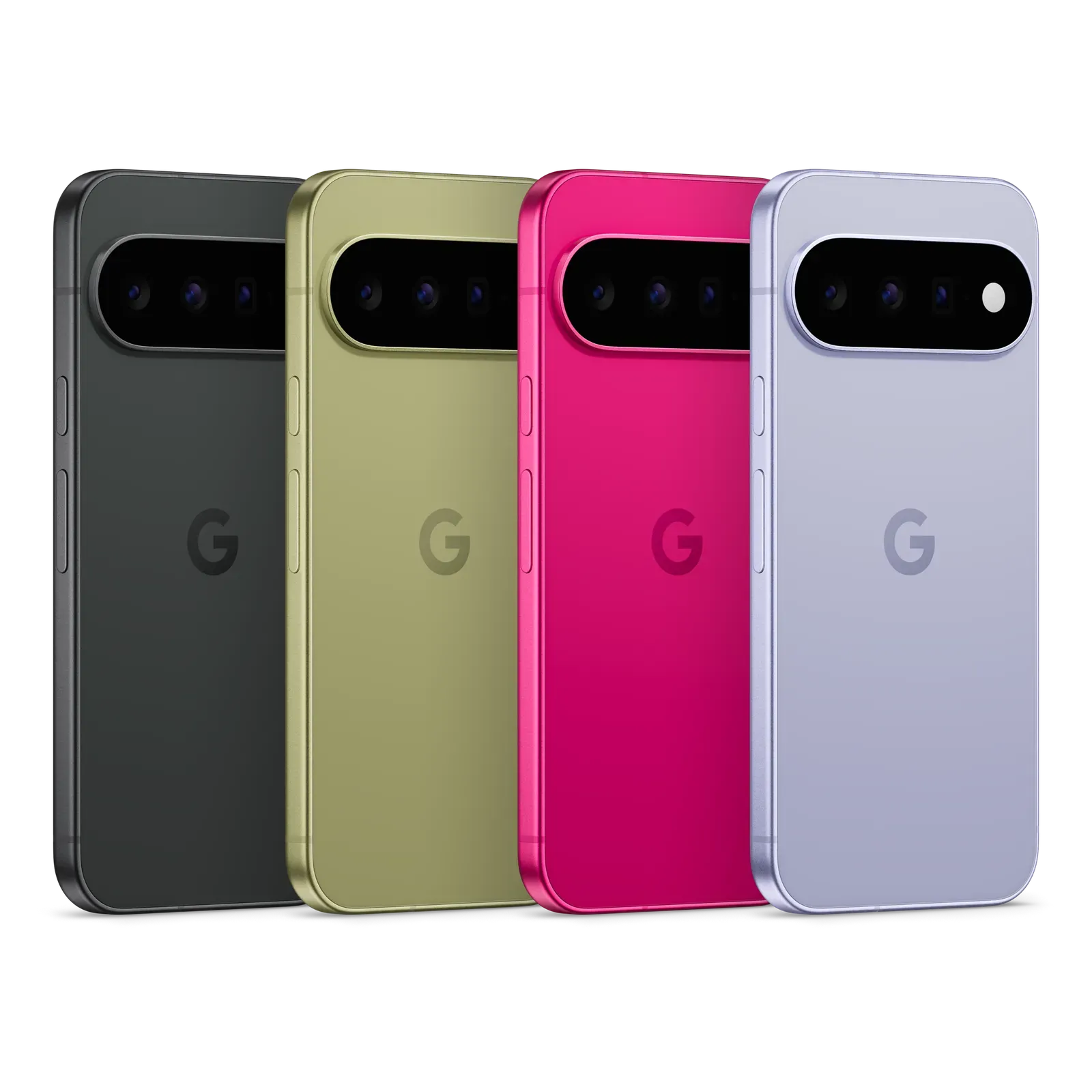
Cameras: The Pixel 10 Pro Fold carries a 48MP main sensor, a 10.8MP 5x telephoto, and a 10.5MP ultrawide. The Razr Fold fields three 50MP sensors: a main camera, a 3x optical telephoto supporting up to 100x digital zoom, and a 122-degree ultrawide (Android Authority, at launch). Google's processing pipeline still produces distinctive results in skin tones, dynamic range, and night photography. Whether that processing style justifies the hardware comparison is a matter of preference. As Android Authority concluded this month, unless you specifically value Google's image-signal processing or color science, there's not much reason to choose the Pixel's camera system.
Current price reality: The Pixel 10 Pro Fold launched at $1,919 but has seen street pricing drop to around $1,500 during sales, with certified renewed units available just over $1,000, according to Android Authority. That changes the calculation considerably if you're open to buying last generation. The Razr Fold launched at $1,899 and is newer, so aggressive discounting isn't there yet.
Pixel 11 Pro Fold vs Razr Fold specs: what matters before launch
The Pixel 11 Pro Fold hasn't launched, so any comparison has to be honest about what's confirmed versus what's inferred.
What's confirmed: the Razr Fold is a shipping product with published reviews. The Pixel 10 Pro Fold's documented weaknesses, weight, charging speed, cover display, and foldable multitasking software, are the gaps any successor would need to close. Android Authority reported this month that the Pixel 11 Pro Fold reveal is likely imminent.
What's inference: Android Authority wrote this month that "the Tensor G6 in the Pixel 11 Pro Fold needs to start closing the gap," which implies an expected chip but isn't a sourced spec. If Google follows its typical cadence, a newer Tensor chip is likely. Beyond that, confirmed specifications don't exist yet.
Waiting for the Pixel 11 is a bet that Google fixes its hardware deficits while keeping its software and ecosystem advantages intact. That's a reasonable bet if IP68, Qi2, and a verifiable software update track record matter most. On battery and weight, the Razr Fold's lead is wide enough that incremental improvement won't close it.
Which phone to buy: three paths
Buy the Razr Fold now if:
- Battery life and charging speed are primary concerns. The Razr Fold leads both categories by a margin a spec refresh is unlikely to erase.
- You want the best foldable multitasking software available in the US today.
- A stylus is part of how you work or create. Nothing else in the US book-style foldable market offers it.
- You want a large, bright cover display that's genuinely usable without opening the phone.
Android Authority concluded at launch that the Razr Fold wins each of those categories clearly over its US competition at current prices.
Buy a discounted Pixel 10 Pro Fold if:
- Price is the deciding factor. At $1,000 to $1,500 through current sale and refurbished pricing, it's a meaningfully different value proposition than $1,899 for new Razr Fold hardware.
- You're already deep in the Google ecosystem and want the cleanest Android 17 experience available without waiting.
- Qi2 accessory compatibility or IP68 durability are practical requirements rather than nice-to-haves.
Wait for the Pixel 11 Pro Fold if:
- IP68 and Qi2 are hard requirements and you want the newest hardware behind them.
- Long-term software update confidence, with Google's track record to back it, matters more than current hardware advantages.
- You believe Google will address the weight, charging speed, and multitasking gaps, not just iterate on cameras or AI features.
Waiting for the Pixel 11 makes sense only if you're betting Google fixes the hardware, not just the marketing. If that bet feels shaky, the Razr Fold is easier to recommend today. If price matters more than being current, a discounted Pixel 10 Pro Fold may be the smartest buy of the three.



Comments
Be the first, drop a comment!