



Pixel 11 Problems Explained: Why Pro Pricing Raises the Stakes
Google shared new Pixel 11 teaser images this week, giving the first real look at Pixel Glow, and the confirmed Pixel 11 problems have nothing to do with the lighting feature itself. Pixel Glow is real, it's genuinely clever, and it deserves more than a reflexive dismissal. The trouble is that it arrived at exactly the moment Google needs to answer harder questions.
Component costs are climbing. Android Authority noted this week that several Android manufacturers have already raised prices in 2026, and leaks suggest Google is next, with the Pixel 11 Pro XL potentially landing north of $1,300.
The clearest way to understand what's at stake is to think about two different buyers. Someone spending $800 on a base model gets a solid phone, and Pixel Glow is a worthwhile addition to that package. Someone spending $1,200 to $1,300-plus on a Pro model is going to weigh charging speed, sustained performance, and battery endurance against what Samsung and Qualcomm-powered rivals offer at the same price point. The real Pixel 11 price concerns sit above the base model. Pixel Glow doesn't move any of the numbers that matter there, and the hardware gaps most relevant to Pro buyers are exactly the ones Google appears most reluctant to close.
What Pixel Glow is, and what it would take to be worth keeping
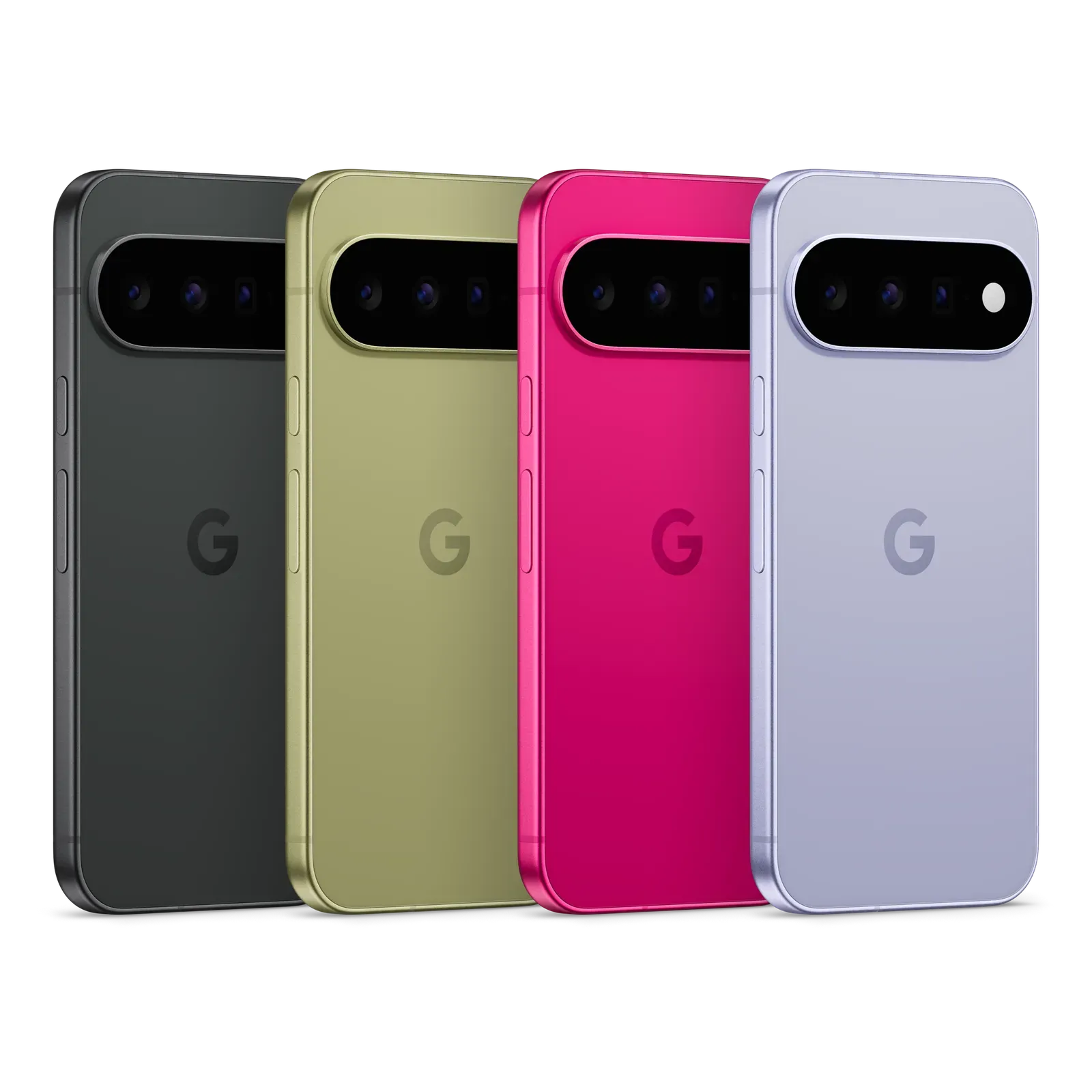
Pixel Glow is a colored light system built into the camera bar, designed to activate when the phone sits face-down. UI strings uncovered in Android 17 Beta 4 hint that Gemini may use distinct animations to signal when it's recording audio versus playing back a response, giving the phone a kind of ambient awareness without requiring the user to flip it over, as How-To Geek reported two months ago. If Google implements it well, that's more than decoration. It's a low-friction way to keep status visible without pulling users back into the screen, and Google already understands this pattern: its Flip to Shhh Digital Wellbeing feature was built around exactly that face-down behavior, as Android Police noted last week.
The hardware swap also makes sense. Leaks claim Pixel Glow reportedly replaces the infrared thermometer first introduced on the Pixel 8 Pro in 2023, a sensor that required an awkward forehead sweep and an actual fever to justify touching it, per Android Police. Reclaiming that space for something a user might glance at ten times a day is a net improvement. Unlike Nothing's Glyph interface, which stays white-only, Pixel Glow could bring back color-coded notification cues in a more modern form, How-To Geek observed. That's where this concept always had genuine potential.
Its ceiling is entirely execution-dependent. The feature needs to be glanceable, per-app customizable, and open to third-party developers. If Google walls it off to first-party apps and a handful of approved partners, the camera bar becomes an expensive Gmail indicator, as Android Police put it. Even Pixel Glow's strongest defenders are precise about the limits: it "won't sell a single Pixel 11 on its own," but might restore some of what makes the device feel distinctly Google.
That distinction matters, because Pixel Glow is answering the base-model question. Not the Pro-model one.
The Google Pixel 11 issues that matter most at Pro pricing
Charging and battery. A columnist at Android Authority who covers the hardware closely described 45W as "really the baseline in 2026," with the Galaxy S26 Ultra already at 60W and reaching a full charge in roughly 40 minutes. Pixel's current ceiling sits at 37W on XL models and 27W on smaller variants, and based on Google's track record and what leaks suggest, a meaningful jump beyond those figures looks unlikely for the Pixel 11.
The battery capacity gap is starker. Chinese manufacturers using silicon-carbon battery technology have been fitting over 7,000mAh into their largest flagships; the Pixel 11 is reportedly staying in the 4,840 to 5,000mAh range, according to Android Authority. Moving to a smaller TSMC node and pairing Tensor G6 with a MediaTek M90 modem should improve efficiency, but as that same report notes, even a 10% efficiency gain doesn't close a 40 to 50% capacity gap. Thermals compound the problem. Reports of current Pixel models struggling to stay cool while charging in hot temperatures have followed the brand into this cycle; those reports make any charging-speed bump harder to trust until Google proves the thermals can cope.
This isn't just a spec-sheet argument. A Pro buyer taking a long travel day, keeping the phone on a wireless charger in a warm car, or shooting extended video in summer heat is going to feel these gaps in ways that benchmark scores don't capture. Charging anxiety and thermal throttling during the moments that matter most are exactly the kinds of complaints that stick to a premium phone's reputation.
Sustained performance and video. Tensor G6 represents real CPU progress. A faster Arm C1-Ultra core running at 4.11GHz alongside improved supporting cores marks a significant step up from the G5's aging components, Android Authority reported. The problem is on the graphics side, where Tensor continues to fall behind the competition in sustained workloads and ray tracing support. At $800, accepting reduced settings in demanding games is a knowable tradeoff. At $1,300, it becomes a review headline.
The Snapdragon 8 Elite Gen 5 is the chip Pixel Pro pricing puts it up against. Android Authority estimated that chip costs around $285 per unit, and the same columnist who tested it in the OnePlus 15R described real-world performance as "fantastic." That's a firsthand assessment in a shipping device, not a theoretical gap on a roadmap slide.
Video is where this sharpens into something more specific. The Pixel 11 Pro is reportedly getting a new Metis ISP with support for 4K cinematic blur and improved low-light video, plus a revamped 48MP ultrawide and 48MP telephoto with 5x optical zoom, according to Android Authority. Those would be meaningful upgrades if they ship as leaked. But ISP improvements only land if the chip can sustain the thermal load those capabilities require. A Pro buyer trying to record a wedding in 4K on a warm afternoon isn't separating "camera reputation" from "thermal reputation." At that price point, neither will reviewers.
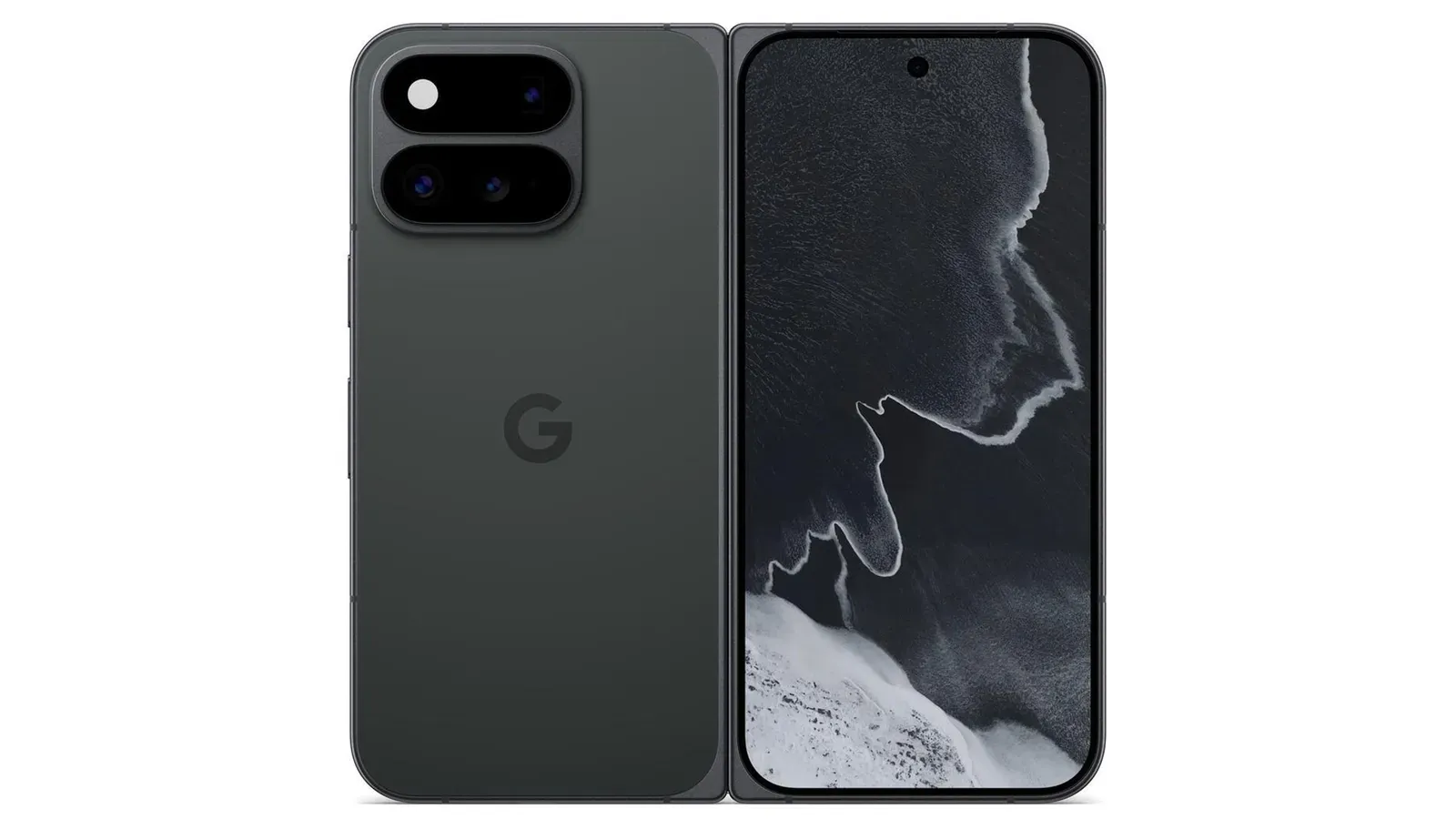
The RAM question. Leaks suggest the baseline Pixel 11 may ship with an 8GB RAM option, down from 12GB on the Pixel 10. The Pixel 11 Pro Fold could drop from 16GB to a 12GB configuration, per Android Authority. These remain unconfirmed, and Pro models are still reported to carry 16GB. But Android Authority argued this week that going back to 12GB on the Fold would be a serious problem Google can't afford. If the leak pattern holds, it's the most visible sign yet of a specific cost pressure: the Pixel 11 may come in at a higher price while delivering less at the component level. That's the story early reviews will likely shape their narrative around, and it lands hardest with buyers who are already skeptical about Tensor's performance headroom.
Why the same formula works at $800 and breaks at $1,300
Google's overall Pixel trajectory isn't in trouble. Progress with hardware and software hasn't always moved in a straight line, but the broader trend has been positive, and Android Authority noted this week that more people are buying and enjoying Pixels than before. That combination of clean software, reliable cameras, Gemini integration, and long update support has been enough to grow Pixel's audience, even when the hardware lagged. Computational photography that's still excellent, even if it's no longer clearly ahead of the field. The formula has worked.
The ceiling appears at the Pro tier, and the psychology is different on each side of it. An $800 Pixel 11 buyer understands they're accepting some hardware tradeoffs for a software-forward experience. The price itself frames those tradeoffs as tradeoffs. A $1,300 Pro XL buyer is in a different negotiation entirely, one where the price signals no compromises should exist, and every gap reads as an omission rather than a known trade. Samsung's flagship charging speed, Qualcomm's GPU performance, the software exclusivity that once justified Pixel's premium: these are the factors the Pro buyer is running in their head. Android Authority made this case back in May, and the Pixel 11 leak record hasn't given anyone a reason to revise it.
Pixel Glow fits the base-model argument cleanly. It adds something real, replaces something almost nobody used, and makes the phone feel more distinctly Google. At $1,300, it's not one of the variables.
What Google's launch would need to prove
For Pro buyers, the standard is specific. Wired charging needs to clear 45W with a credible thermal story behind it. Battery capacity needs a real increase, not just an efficiency argument about a smaller node. Sustained GPU performance needs to stop being a liability in extended gaming sessions. And RAM specs need to hold rather than retreat. None of those require beating Qualcomm across every benchmark. They require Google to stop visibly losing to it at prices where buyers run out of goodwill, as Android Authority framed it earlier this month.
The Pixel 11 will almost certainly be a very good phone. The question Android Authority posed this month is whether "very good" still holds in a premium market moving faster than Google appears willing to. Pixel Glow, if the API is open and the implementation is thoughtful, may genuinely matter to daily users across the whole lineup. But at launch, Google doesn't need to beat every rival. It needs to remove the easy objections. Distinctive and competitive aren't the same thing, and at Pro pricing, the bar requires both.



Comments
Be the first, drop a comment!