






Google Maps users briefly lost one of the app's most useful visual guides in late July 2026. The green, orange, and red lines that show traffic conditions disappeared for some users, leaving roads gray even when the Traffic layer was turned on.
Although early complaints focused on Android Auto, the problem was not limited to car displays. Android Authority reproduced the missing traffic overlay on Android phones, iPhones, and desktop browsers. That broader reach indicated the problem was not tied solely to an Android Auto release, phone model, or vehicle head unit.
Google acknowledged the issue on July 28 and said it had deployed a fix. The company said most areas should already have normal traffic displays again, although the repair could take several hours to reach everyone.
What disappeared — and what kept working
Google Maps normally uses color-coded lines to show traffic speed. According to Google's traffic-layer guide, green means there are no traffic delays, orange indicates a medium amount of traffic, and red signals delays. Darker red represents slower traffic.
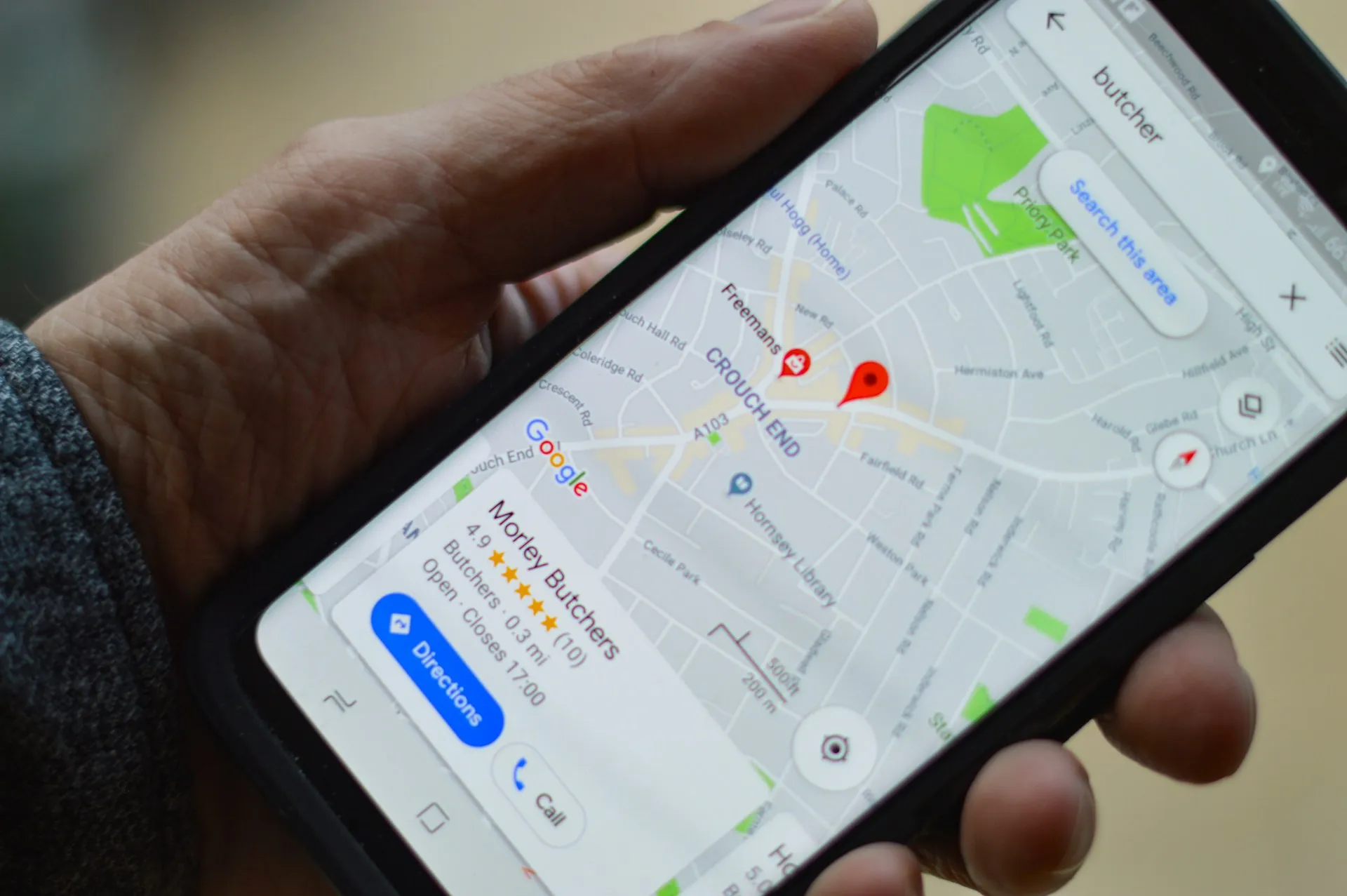
During the outage, affected users instead saw gray roads across the general map. That made it harder to compare congestion on surrounding streets or choose between several routes before leaving.
The problem did not appear to disable Google Maps' underlying traffic-aware navigation. Road-closure and maintenance markers could remain visible, and starting a route brought traffic colors back for that journey during independent testing. Estimated arrival times and route calculations also continued to function.
Users therefore lost the broader view of congestion rather than all access to traffic data. Maps could still account for road conditions when calculating a trip, but users could not scan an entire area to see where traffic was building.
Google has not publicly disclosed the technical cause. Some early reports associated the problem with particular Google Maps and Android Auto builds, but its appearance on iOS and desktop browsers makes a single Android Auto version an unlikely explanation.
Why common troubleshooting did not help
During the outage, affected users tried toggling the Traffic layer, clearing app data, switching Google accounts, and restarting their devices. Those steps generally did not restore the missing colors.
That behavior, combined with Google's ability to deploy a fix without requiring a specified app version, points to a problem that Google could address from its side. The company did not instruct users to reinstall Maps, update Android Auto to a particular release, or install beta software.
Keeping Google Maps and Android Auto updated remains worthwhile for routine fixes and security improvements, but repeatedly resetting either app should not be necessary for this incident.
What to check if the lines are still missing
Google says the late-July problem has been fixed, so traffic colors should now appear normally. Anyone who still sees gray roads should first confirm that traffic information is enabled.
On an Android Auto display, open Google Maps, select Settings, tap Traffic, and make sure the toggle is on. Google's Android Auto navigation instructions say color-coded traffic conditions should appear on highways and roads where information is available.
Users can also compare Maps on another phone or in a desktop browser to determine whether the problem is limited to one device. Restarting the app and confirming that it is current are reasonable next steps.
If the traffic layer remains missing across devices, submit feedback through Google Maps and include the affected platform, app version, approximate location, and a screenshot captured while safely parked. Since Google has resolved the wider outage, a persistent problem may be limited to a device, account, or region and should be reported separately.









Comments
Be the first, drop a comment!