



Reviewed by: Y. Garcia
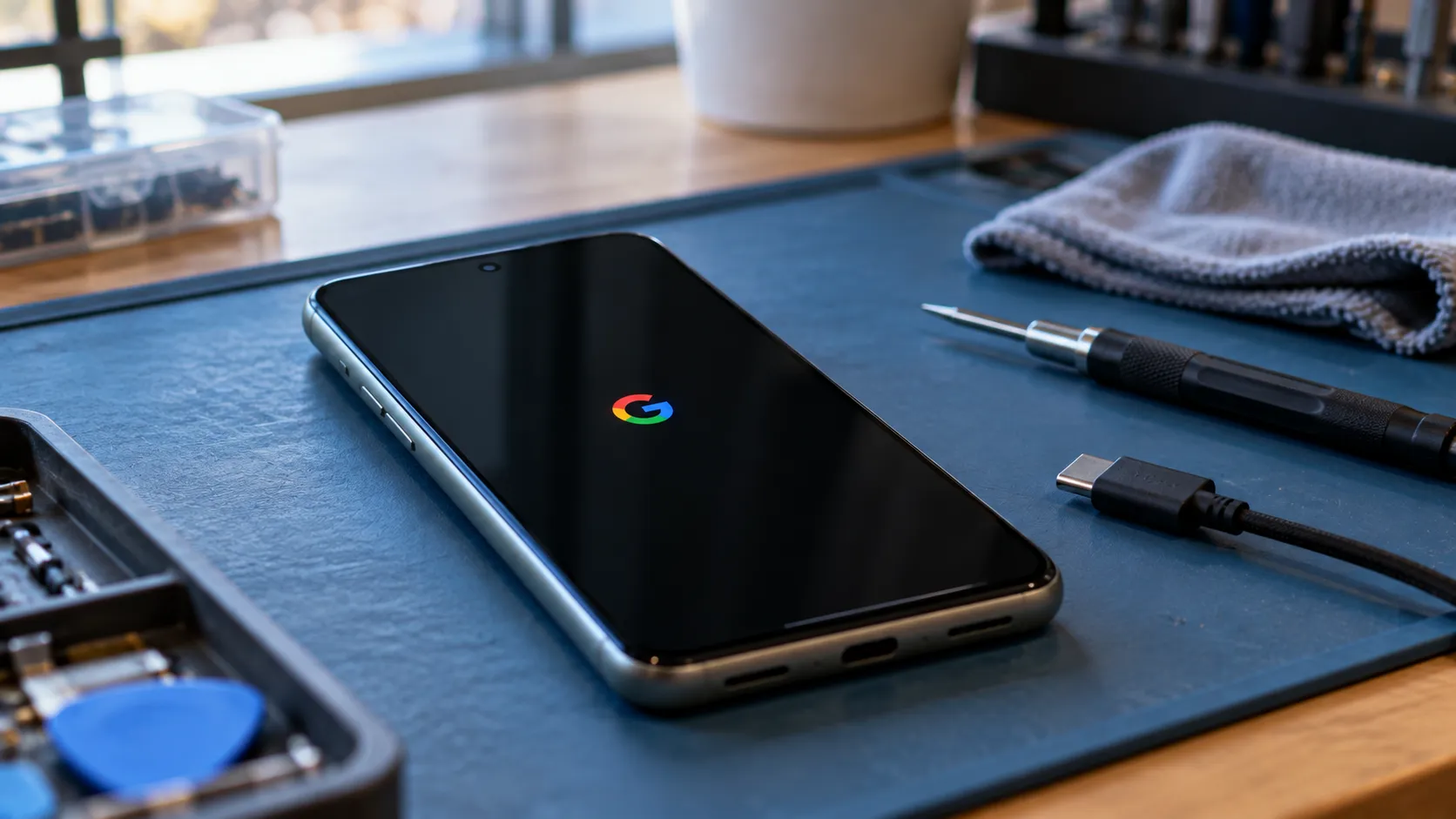
Google's January 2026 Android update is now rolling out, and if you own a Pixel device, you're probably wondering whether your phone made the cut. Here's what you need to know about which models are getting Google's first major software push of the year.
Google began distributing its January 2026 Pixel update on January 12th, according to Mobile Syrup. This release, the January 2026 security patch for Pixel devices running Android 16 (QPR2), brings the security patch level to 2026-01-05 and includes both platform-wide Android fixes and Pixel-specific improvements, as reported by Bez Kabli. The update represents Google's standard monthly security maintenance, but with some notable device-specific enhancements that make it worth the download.
Here's what makes this update particularly interesting: while most Android manufacturers are still working through their year-old feature backlogs, Google continues pushing meaningful improvements to their own hardware monthly. This January patch might look routine in Google's release notes, but it's actually tackling some genuine user frustrations that have been brewing since the holidays.
Which Pixel devices are getting the January 2026 update?
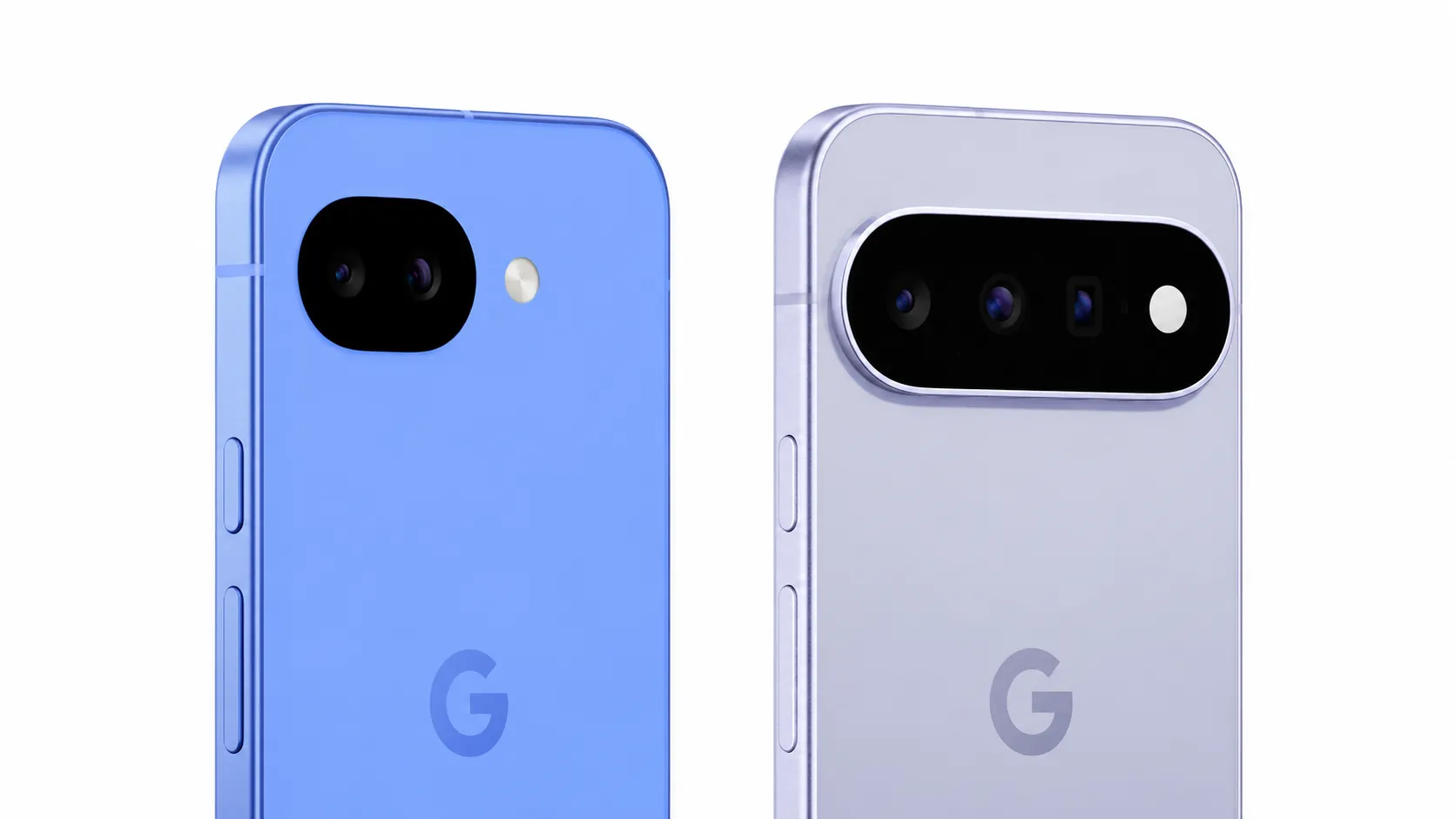
The January update covers a substantial range of Google's hardware lineup, but there's a notable cutoff point that might disappoint some users. Support extends from the Pixel 7a all the way through Google's newest Pixel 10 family, plus the Pixel Fold and Pixel Tablet, according to Bez Kabli.
Unfortunately, if you're still using a Pixel 7 Pro or any older model, this January update isn't available for Pixel 7/7 Pro (and Pixel 6 family) even though those devices remain supported. This cutoff highlights Google's evolving support strategy — they're prioritizing longer-term commitments for newer devices while phasing out older models more decisively. It's a shift that reflects both technical limitations and their push to encourage upgrades to devices with seven-year support guarantees.
The supported device list includes:
Pixel 7a and newer phones
Pixel 8 series and above
Pixel 9 family (including 9a and Pro Fold variants)
Pixel 10 lineup (standard, Pro, Pro XL, Pro Fold)
Pixel Fold (original)
Pixel Tablet
What's particularly noteworthy is how Google coordinates the regional deployment behind the scenes. The update uses different build variants depending on your location and carrier, with the base build BP4A.260105.004 branching into region-specific versions like BP4A.260105.004.E1 for most devices and BP4A.260105.004.A2 for certain Pixel 9 and 10 series markets, Bez Kabli reports. This complexity demonstrates the intricate logistics of managing a global software rollout while maintaining carrier compatibility and regional compliance requirements.
What's actually fixed in this update?
While this is primarily a security-focused release, Google has packed in several practical fixes that address real-world user complaints. The improvements span multiple device generations, though some of the most significant changes target the newest Pixel 10 series specifically.
For users across the supported range, the update resolves an annoying Webex calling issue where ringback tones became excessively loud under certain conditions, affecting Pixel 7a and newer devices, Mobile Syrup details. If you've ever had your eardrums blasted during a work call, you know how welcome this fix will be. There's also a fix for a wallpaper bug where deleting Live Universe wallpapers could crash the Wallpaper and Style app until you rebooted your phone, which affected the same device range.
Battery performance gets attention too, with Google addressing drain issues that occurred under specific conditions on Pixel 8 and newer models, according to Mobile Syrup. This should help extend daily usage time for affected users who noticed unexplained power consumption. These "specific conditions" typically involve particular app combinations or background processes that create unexpected interactions — the kind of edge cases that only surface after millions of users put devices through real-world scenarios.
The Pixel 10 series receives the most comprehensive set of improvements, which makes sense given it's Google's newest hardware. This includes GPU performance enhancements that should make gaming and graphics-intensive apps run more smoothly, Mobile Syrup reports. Google also fixed a frustrating touchscreen bug where the display would randomly stop responding to input — imagine trying to answer an important call and your screen just ignores you.
The always-on display gets some love too, with fixes for flickering issues that were particularly noticeable in low-light conditions. Plus, if you're into photo editing, Google resolved visual glitches when editing HDR photos in Adobe Lightroom where noisy lines would flash across the screen during edits.
PRO TIP: These Pixel 10-specific fixes reveal that Google is still fine-tuning the hardware-software integration with their newest Tensor G5 chipset. This pattern is typical for first-generation silicon implementations, and the rapid pace of these fixes suggests Google is taking user feedback seriously while building expertise with their TSMC-manufactured processor.
Looking ahead: What this means for Pixel's update strategy
This January release fits into Google's broader shift toward more frequent Android updates rather than waiting for annual major versions. The company is moving away from single yearly OS releases toward multiple significant updates throughout the year, as Google announced with Android 16's December launch.
For Pixel owners, this approach means getting new features and fixes faster, but it also reinforces the advantage of staying within Google's supported device ecosystem. Beyond just receiving updates first, Pixel devices serve as Google's primary development platform for Android innovation. When they design new Android capabilities, they're optimizing for Pixel hardware from the ground up, then adapting those features for the broader manufacturer ecosystem. This creates a compounding advantage that extends beyond simple timing.
Pixel phones continue to receive priority treatment for security patches, with monthly updates and even emergency zero-day fixes arriving first on Google's hardware, Forbes notes. When critical vulnerabilities emerged in December 2025, Pixel devices received patches immediately while other Android manufacturers had to wait for their own update cycles. This rapid response capability becomes increasingly valuable as security threats evolve faster than traditional update schedules can address.
The January 2026 update represents Google's commitment to keeping supported Pixel devices current with both security improvements and quality-of-life fixes. While the cutoff at Pixel 7a might frustrate owners of slightly older devices, it reflects the reality of Google's seven-year support promise for newer models versus the shorter commitment periods for earlier generations. If you're on a supported device, expect the update to arrive over the coming days through your standard system update process — and you'll probably notice the improvements more than you'd expect from a "routine" monthly patch.




Comments
Be the first, drop a comment!