



Google's next affordable flagship is generating serious buzz, and for good reason. Recent leaks suggest the Pixel 10a could arrive much sooner than anyone anticipated, with multiple sources pointing to a February 2026 launch date, according to Android Central. This would mark a significant departure from Google's typical spring release schedule, potentially putting the device on shelves weeks earlier than expected. Industry insider Wayne Quandt indicates the phone will be available in retail stores by mid-February, with 9to5Google reporting that February 17, 2026 specifically has been mentioned as the target date.
What's different about this launch timing?
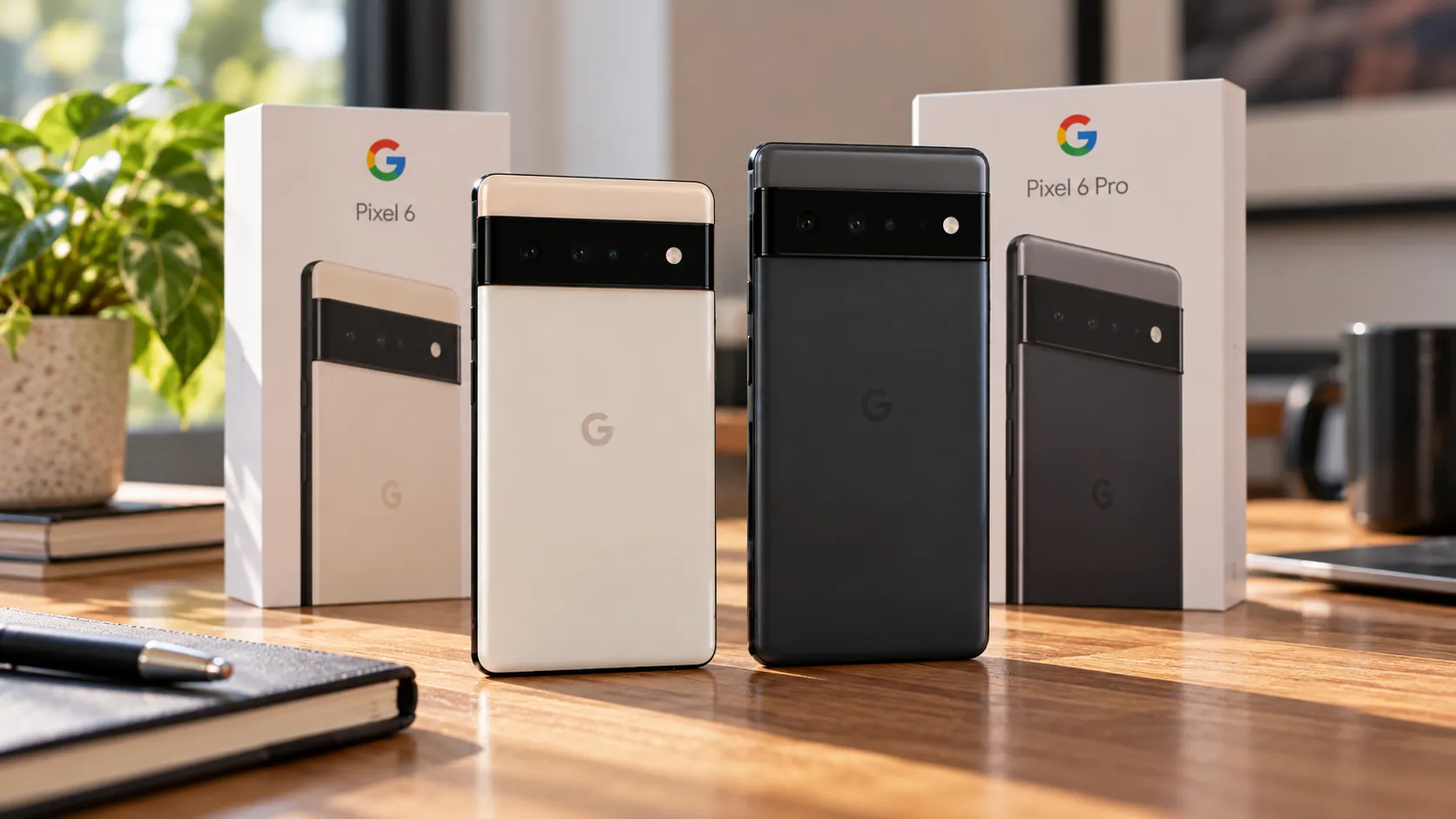
Here's where things get interesting. The accelerated timeline breaks from Google's established pattern, where previous A-series devices typically launched in spring. The Pixel 8a debuted in May 2024, while Tom's Guide notes the Pixel 9a arrived in April of the following year.
This February launch represents more than just calendar shuffling—it's a strategic move. By positioning the Pixel 10a to capture early-year upgrade cycles, Google could gain a competitive edge in the mid-range market before competitors roll out their spring offerings. The timing also suggests Google is responding to increased competition in the affordable flagship space, where brands like OnePlus and Nothing have been making significant inroads with compelling alternatives that challenge Google's photography-first value proposition.
Specs that look surprisingly familiar
The leaked specifications paint a picture of incremental evolution rather than revolution. Verizon certification documents reveal the Pixel 10a will feature a 6.3-inch FHD+ AMOLED display with variable refresh rates of 60Hz and 120Hz, according to Android Authority. The camera setup remains unchanged from its predecessor, sporting a 48MP main sensor with f/1.7 aperture paired with a 13MP ultrawide lens, while the front-facing camera maintains its 13MP resolution.
What's particularly telling is how these specs mirror the Pixel 9a almost entirely. We're looking at the same 8GB of RAM and 128GB of base storage configuration, with Android Central confirming a 256GB option will be available. The 5,100mAh battery capacity appears to be carrying over as well, which makes sense given how the Pixel 9a delivered some of the best battery performance in Google's recent lineup.
PRO TIP: If you're currently using a Pixel 8a or earlier, the spec consistency doesn't mean no improvements—Google's computational photography continues to evolve through software optimizations, even with identical hardware.
Colors and design choices that matter
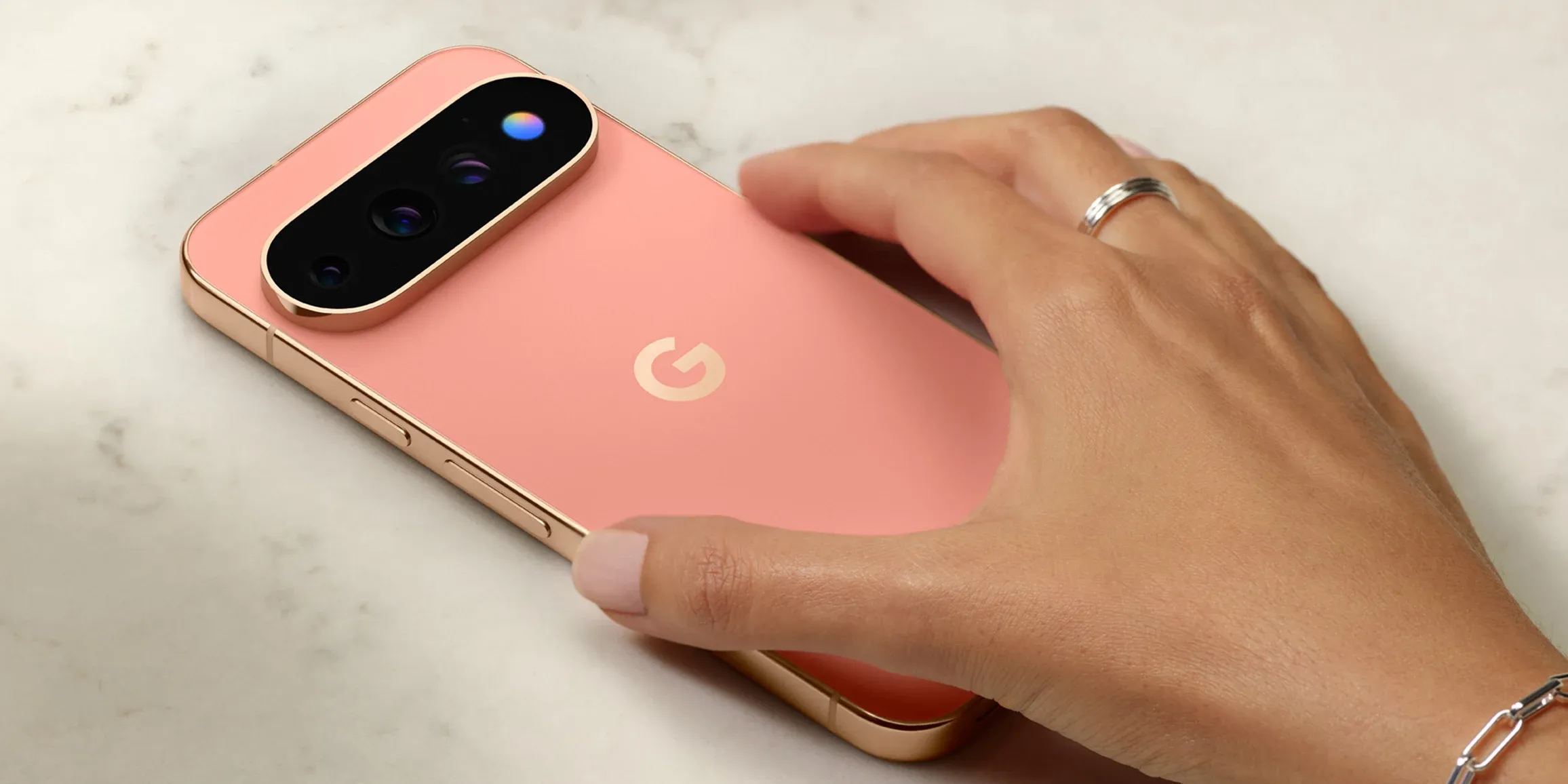
Google appears to be expanding the color palette while maintaining design consistency. Early leaks suggested a wide range of colors, but more recent information from 9to5Google indicates the final lineup will include Obsidian (black), Fog (off-white), Lavender (purple), and a new Berry option that's completely fresh to the Pixel lineup.
The design language closely mirrors the Pixel 9a, featuring the same flat edges and flush camera island that ditched the iconic camera bar. Leaked CAD renders show Android Police reporting slightly thinner bezels, though the overall aesthetic remains largely unchanged from its predecessor. This consistency isn't just about playing it safe—the Pixel 9a's design was widely praised for being more ergonomic and premium-feeling than earlier A-series devices, solving the camera wobble issues that plagued the camera bar design.
The Tensor G4 decision that's raising eyebrows
Perhaps the most controversial aspect of the Pixel 10a is Google's apparent decision to stick with the Tensor G4 chipset rather than upgrading to the newer Tensor G5. Multiple sources confirm this choice, with Android Police noting that previous rumors suggest the device will retain the same processor found in the Pixel 9a.
This decision has significant implications for users. The Pixel 10a will miss out on several new AI features exclusive to the Pixel 10 family, such as Magic Cue functionality. The Tensor G5 brought substantial improvements: a 34% boost in CPU performance and 60% increase in TPU processing, along with a new image processing unit and display processor that enhance everything from camera performance to display quality.
However, there's solid business reasoning behind this choice. Forbes reports that rising component costs and DRAM shortages are pressuring manufacturers across the industry. By keeping the older, more cost-effective chipset, Google can maintain the attractive $499 price point that has made the A-series so appealing to budget-conscious consumers.
There's speculation that Google might implement a "boosted" version of the Tensor G4, potentially offering better thermal management and slightly improved performance compared to what we saw in the Pixel 9a. This could help bridge the gap between cost savings and performance expectations without breaking the bank.
Bottom line: Evolution over revolution
The Pixel 10a appears to be more of a refined iteration than a groundbreaking leap forward. While some might view this as disappointing, there's genuine wisdom in Google's approach. The Pixel 9a established itself as Android Police describes "the best smartphone value of the year," so maintaining that formula while potentially improving key areas like display brightness makes solid business sense.
The earlier February launch could give Google a strategic advantage, allowing the device to establish market presence before competitors launch their spring offerings. For consumers seeking flagship-level photography and AI capabilities at a mid-range price, the Pixel 10a looks poised to deliver exactly what made its predecessor so successful.
What's particularly smart about this approach is how it keeps the Pixel 10a clearly differentiated from the base Pixel 10, which now includes a telephoto camera. The A-series maintains its identity as the photography-focused, no-frills option that still delivers Google's computational photography magic without the premium price tag.
The real test will be whether Google can add enough refinements—better display brightness, improved charging speeds, or enhanced software features—to justify the annual upgrade cycle. Based on what we're seeing so far, the Pixel 10a will be exactly what Google intends: a reliable, familiar, and competitively priced device that continues to prove you don't need to spend flagship money to get flagship-quality photos and core Android experiences. If you're in the market for a solid mid-range phone that prioritizes camera quality and software support, the February timeline means you won't have to wait much longer to see if Google's evolutionary approach pays off.







Comments
Be the first, drop a comment!