



Google appears to be rolling out a Play Store redesign that changes the look and navigation of the Apps and Games tabs. The update adds pill-shaped sub-tabs, moves Top charts and Categories into separate pages, and makes personalized recommendations the default view when you open either section, Android Authority reported July 8.
Search, installs, updates, reviews, and account settings appear unchanged. The redesign is focused on how the Play Store looks and how you move through its two main app discovery sections.
The redesign appears limited to Apps and Games for now. Books still uses the previous layout, so the Play Store may look different depending on which section you open.
What changed in Apps and Games
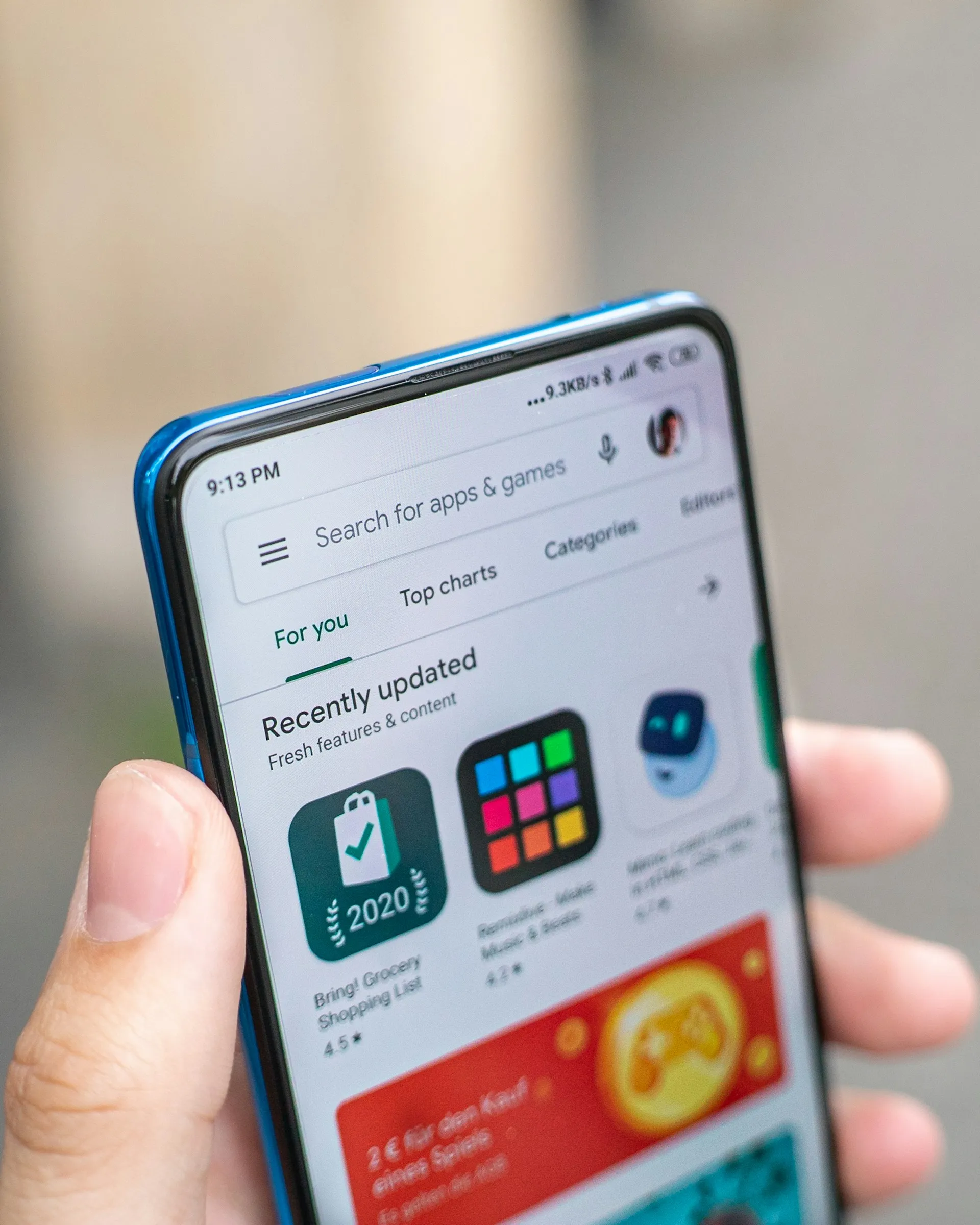
The most visible shift is the navigation row. Sub-tabs that previously appeared as plain text labels — For you, Top charts, Kids, Categories, and Premium in the Games section — now sit inside pill-shaped containers. The rounded style fits Google's broader Material You design language.
Tapping Top charts or Categories now opens a dedicated page instead of loading results inline. To return to the main Apps or Games page, you use the back arrow in the top-left corner.
Some users are also seeing a redesigned Play Points area. Screenshots in the report show the old blue Play Points container removed, though Play Points itself has not gone away. Notification badges also appear to have a new style, but Google has not detailed that change publicly.
Based on current reporting, the redesign does not appear to change core Play Store functions such as search, installs, updates, reviews, or account management.
For you is now the starting point
The bigger change is what loads first.
The For you tab is no longer a separate option in the navigation row because it now serves as the default home page for both Apps and Games. Open either section, and the first view is personalized recommendations instead of a row of equal browsing choices.
The change fits Google's longer push to make Play more personalized. In July 2024, Google added Personalization in Play controls that let users exclude certain apps from shaping Play Store recommendations, alongside features such as Collections, AI-generated app review summaries, comparison tools, and interest filters.
Google built on that direction at I/O 2026. In a May 19 developer post, the company described new ways for apps and content to surface across Google Play, Android devices, apps, games, and Gemini. Google also announced Ask Play, an AI-powered overlay for conversational app discovery, and said app discovery in Gemini on Android and web would begin in the following weeks.
The Apps and Games redesign is smaller than those I/O announcements, but it points in the same direction: Play is putting more weight on recommendations and guided discovery. Google has not published a dedicated announcement for this specific UI change.
How to keep browsing beyond recommendations
A personalized home page can make discovery easier when you do not have a specific app or game in mind. Instead of starting with categories or charts, the store starts with recommendations.
The tradeoff is that recommendations can narrow what you see first. If you want a less personalized browse session, check Top charts and Categories manually, and review Personalization in Play if you do not want certain apps shaping your recommendations.
The rollout appears gradual. If you still see the old layout, there may not be anything to fix; Play Store interface changes often arrive by account or app update rather than through a full Android system upgrade.


Comments
Be the first, drop a comment!