



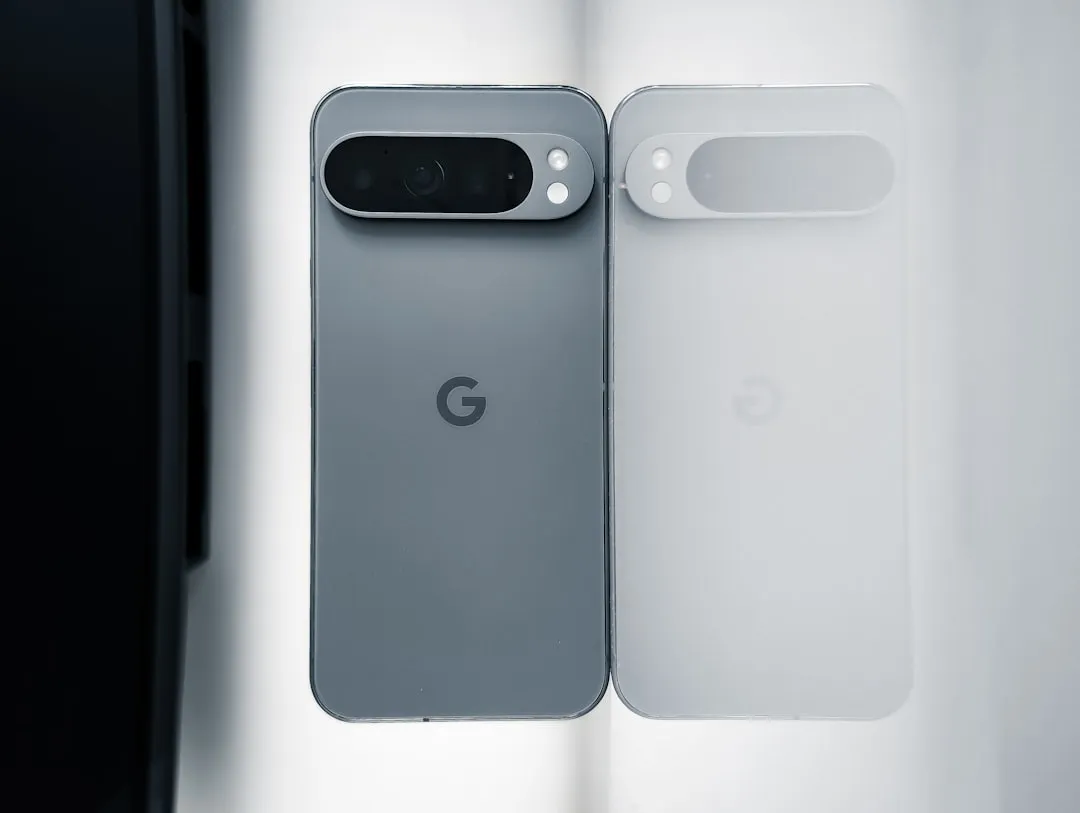
Google says higher memory costs will force it to adjust prices across the Pixel family, including the upcoming Pixel 11 lineup. In a July 24 interview with 9to5Google, Google Vice President of Devices and Services Shakil Barkat said the company could no longer absorb all the increases coming from suppliers.
Google has not announced final Pixel 11 prices or specifications. However, deleted Amazon listings suggest the Pixel 11 and Pixel 11 Pro could start $100 above their predecessors while doubling their minimum storage to 256GB. The Pro XL and Pro Fold may also cost $100 more without an entry-level storage increase, while the least expensive Pro and Pro XL configurations may fall from 16GB to 12GB of RAM.
Google will introduce its next devices at the August 12 Made by Google event, and Pixel 11 preorders will open the same day.
How leaked Pixel 11 prices compare
Barkat cited Morgan Stanley data indicating that the price of 1GB of RAM rose from $2.80 in 2025 to $12 in 2026. Those figures amount to an increase of more than four times. He said Google had protected buyers from supply-related cost changes for as long as it could but would now adjust prices as market conditions shift.
The clearest indication of how those changes could affect the Pixel 11 comes from screenshots of deleted Amazon listings. An Android Authority reader said the pages appeared on Google's official Amazon storefront before they were removed.
The leaked model breakdown is as follows:
Pixel 11: The entry price rises from $799 to a reported $899. Minimum storage increases from 128GB to 256GB, while RAM remains at 12GB.
Pixel 11 Pro: The starting price rises from $999 to a reported $1,099. Entry storage increases from 128GB to 256GB, but the base model reportedly drops from 16GB to 12GB of RAM.
Pixel 11 Pro XL: The entry price rises from $1,199 to a reported $1,299. Storage remains at 256GB, while RAM reportedly falls from 16GB to 12GB.
Pixel 11 Pro Fold: The starting price rises from $1,799 to a reported $1,899. Entry storage remains at 256GB, and RAM reportedly stays at 16GB.
Google has not confirmed these Pixel 11 prices or configurations.
The storage increases complicate the headline price comparison. The Pixel 11 and Pixel 11 Pro would cost $100 more at the entry level, but each would include 256GB instead of 128GB. Buyers who already intended to purchase a 256GB phone may therefore see little change when comparing equivalent storage tiers.
The Pixel 11 Pro XL presents a less favorable trade-off. Its reported $1,299 entry price is $100 above the Pixel 10 Pro XL's launch price, while storage remains at 256GB and RAM reportedly falls from 16GB to 12GB.
The Pixel 11 Pro Fold is listed at $1,899 for 256GB, also $100 above its predecessor's starting price. Its reported 16GB of RAM remains unchanged.
Why the reported Pro RAM cuts stand out
The rumored RAM split could be more important to power users than the higher starting prices.
The alleged listings put the 256GB Pixel 11 Pro at $1,099 with 12GB of RAM. The 512GB version reportedly restores 16GB but raises the price to $1,219. Buyers would therefore have to move beyond the least expensive Pro configuration to receive the RAM capacity included with every Pixel 10 Pro storage option.
The Pixel 11 Pro XL reportedly follows the same structure. Its 256GB version is listed with 12GB of RAM, while the 512GB and 1TB models retain 16GB.
Twelve gigabytes remains substantial for routine Android use and should not automatically make either phone slow or unsuitable for everyday tasks. The concern is that buyers may receive less memory in a more expensive Pro phone as Google continues to expand demanding camera, multitasking, and AI-assisted features.
Google is also working to lower memory use across Android and its app ecosystem. Barkat said the effort is intended to help devices run effectively with less RAM. Google has not connected that work to an official Pixel 11 configuration.
Whether 12GB affects actual performance will require independent testing. App retention, gaming, camera processing, thermal behavior, and on-device AI tests will be more useful than the RAM figure alone. A lower capacity does not prove that the Pixel 11 Pro will perform worse than the Pixel 10 Pro.
How Pixel 11 could compare with Pixel 10
The Pixel 10 may become the most relevant alternative to the Pixel 11, particularly as retailers discount the older models.
Google launched the Pixel 10 at $799, the Pixel 10 Pro at $999, and the Pixel 10 Pro XL at $1,199. The company also promises seven years of operating-system updates, security updates, and Pixel Drops for the Pixel 10 generation, leaving years of support for buyers who choose a discounted previous-generation phone.
Google has not confirmed which Pixel 11 processor, camera, or AI features will be exclusive to the new hardware. Those differences will help determine whether the newer phones justify their reported prices.
Sale prices should be checked at the time of purchase rather than treated as permanent. Google and its retail partners may also use trade-ins, introductory discounts, and service bundles to reduce the Pixel 11 lineup's upfront cost.
The base Pixel 11's rumored 256GB minimum could benefit people who store large photo, video, game, or offline media libraries. Buyers who need only 128GB, however, would lose the less expensive entry option.
Should you wait for the Pixel 11?
Most buyers should wait until August 12 before deciding. Google's announcement should confirm the prices, storage choices, RAM allocations, launch offers, and features tied to the new hardware.
For the base Pixel 11, compare the reported $899 model with the 256GB Pixel 10 rather than the older 128GB configuration. The additional storage could offset much of the apparent increase for buyers who would have selected 256GB anyway.
The reported Pixel 11 Pro and Pro XL configurations present a tougher choice. Both entry models may combine a $100 higher starting price with 12GB instead of 16GB of RAM. Power users should compare the higher-capacity Pixel 11 Pro models with discounted Pixel 10 Pro options and wait for performance tests before paying more to regain 16GB.
The Pixel 11 Pro Fold's reported $1,899 price is harder to offset because its entry storage and RAM appear unchanged. Buyers should wait for confirmed camera, durability, battery, and multitasking results before judging its value against the previous model or other premium foldables.
For now, only the broader pricing change is official. Google has confirmed that rising memory costs will affect the Pixel family, but the reported $100 increases, 256GB minimum storage, and 12GB Pro configurations remain leaks until the Pixel 11 lineup is announced on August 12.










Comments
Be the first, drop a comment!