






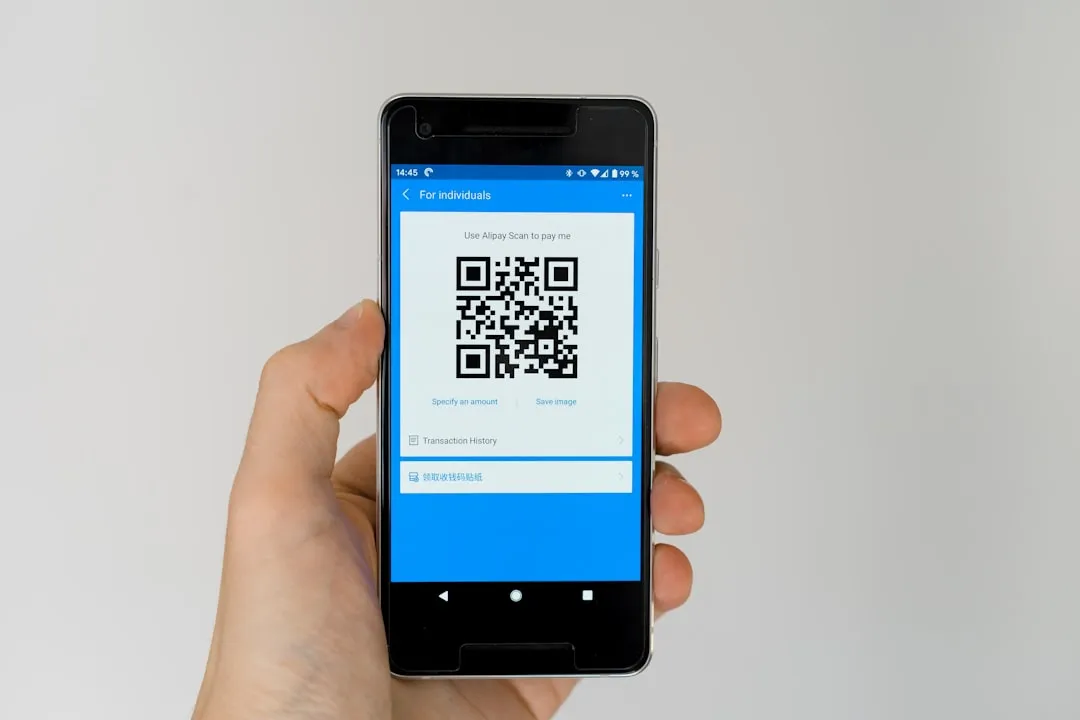
Google Messages QR Code Pairing Is Ending: What Replaces It
Google's support page now states plainly that QR code pairing for Messages on the web is "no longer available in the US." On the same day that notice appeared, reporters at Android Authority pulled up the QR option in both the Android app and the browser without any trouble. That gap between what Google's documentation says and what users are actually seeing is where this story starts.
The language has been hardening for months. Four months ago, the in-app prompt told users only that "QR code pairing is going away soon" and suggested switching to Google Account sign-in "to avoid interruption," per 9to5Google. A nudge, not a verdict. By mid-May, a beta build of Google Messages (version 20260511) had already stripped the QR scanner from the Android app entirely, as Android Authority reported at the time. The support page declaring the feature gone is the next step in a rollout that has been moving in one direction since March.
One thing this is not: the end of Messages for web. Only the QR setup method is going away.
What Google says vs. what the Google Messages QR code warning means for users now
Google's support page now carries the line "Important: This feature is no longer available in the US" with no hedging. Android Authority confirmed today that the exact timing of that language change is uncertain, traceable only to somewhere between a Wayback Machine capture on May 9 and yesterday.
The backend has not fully caught up. As of today, Android Authority found QR code pairing still visible in the stable Android app (version 20260714) and on the Messages web interface for US users. That points to a staged or server-side rollout, not a simultaneous cutoff across all accounts.
The discrepancy does not mean the support notice is premature. Google's documentation has already moved to past tense; enforcement appears to be propagating account by account. Users who still see the QR option should treat it as borrowed time, not a reprieve. Geographic scope remains an open question Google's updated warning explicitly names the US, but no sourced reporting documents whether or when other markets will follow, according to Android Authority.
Messages for web QR sign-in no longer available: what replaces it
Messages for web continues to function. The change is confined to the setup method. Users can still access Messages in a browser or on an Android tablet and pair with new devices they just need to authenticate through a Google Account rather than scanning a code, according to Android Authority.
The replacement method has been available since 2023. Google Account sign-in works by entering credentials if not already signed in and then confirming an emoji prompt on the paired phone. Google introduced this as an alternative before deciding to make it the only option, per 9to5Google.
Tablet users are affected equally. Messages for web is not just a desktop feature; it is the primary way Android tablet users access SMS and RCS conversations, and the login-method change applies to that workflow the same as any browser session, as 9to5Google notes.
The scenario with the least-documented path forward involves shared, work, or managed devices. The account-based flow requires Google Account access in the browser session and if a device environment restricts that, access to Messages on the web may break when QR pairing stops working for that account. Google has published no formal guidance for this situation.
Google's framing has been consistent across every warning since March: switch now "to avoid interruption." The enforcement cutoff will not announce itself in advance for individual accounts, per 9to5Google.
Who this affects most, and why it matters more than it used to
Google Messages is no longer an app people opt into. Samsung has been migrating its users to Google Messages, and on Android 14 and later, the app automatically shifts into the homescreen dock after that transition, per 9to5Google. The install base has grown substantially as a result.
Cross-platform RCS is maturing at the same time. Apple shipped end-to-end encrypted RCS in iOS 26.5 in mid-May, and when iOS 27 launches this fall, Android-to-iPhone conversations are expected to gain inline quoted replies and emoji photo reactions, according to 9to5Google. That cross-platform feature set is currently in beta on the Android side.
That context shapes who actually feels friction here. Android tablet users lose their primary messaging interface if the QR cutoff hits before they've switched. People on managed or shared devices face an undocumented gap no migration path has been published. And anyone using Messages for web as a regular workflow, rather than an occasional convenience, is now on a clock with no published deadline.
The QR removal fits a visible pattern: account-based authentication introduced in 2023, QR warnings in March, beta removal in May, enforcement language declared this week. Google has offered no official explanation for the decision, so the consolidation-around-Google-Account-infrastructure reading is reasonable inference, not confirmed policy. What the pattern does confirm is that each step has moved in the same direction, and the pace has accelerated.
What Google still hasn't said
Several things remain unresolved. No firm cutoff date has been published for the accounts where QR pairing is still visible. No rationale for removing the feature has been offered publicly. No guidance exists for shared or managed device environments where Google Account access in the browser may not be available.
The rollout mismatch suggests full enforcement may still be weeks out. The support-page language shifted sometime between the May 9 Wayback capture and yesterday, yet stable-channel users can still see the QR option today, as Android Authority observed. The gap between declaration and execution has already stretched across months.
For most users, the transition is a one-time setup change. The friction is real but narrow concentrated among people who actively avoided account-linked logins, rely on shared machines, or use Messages on a tablet as their primary messaging interface. For everyone else, switching to Google Account sign-in now means the eventual cutoff, whenever it lands for a given account, passes without incident.




Comments
Be the first, drop a comment!