



Reviewed by: Y. Garcia
Picture this: You're scrolling through your Google Photos library on your iPhone, and suddenly you can tap and hold any subject in a photo to magically transform it into a shareable sticker. Meanwhile, your Android-wielding friends are still waiting for this same feature to arrive on their platform. Welcome to the peculiar world of Google's feature rollout strategy, where iOS users sometimes get Google features before Android users do.
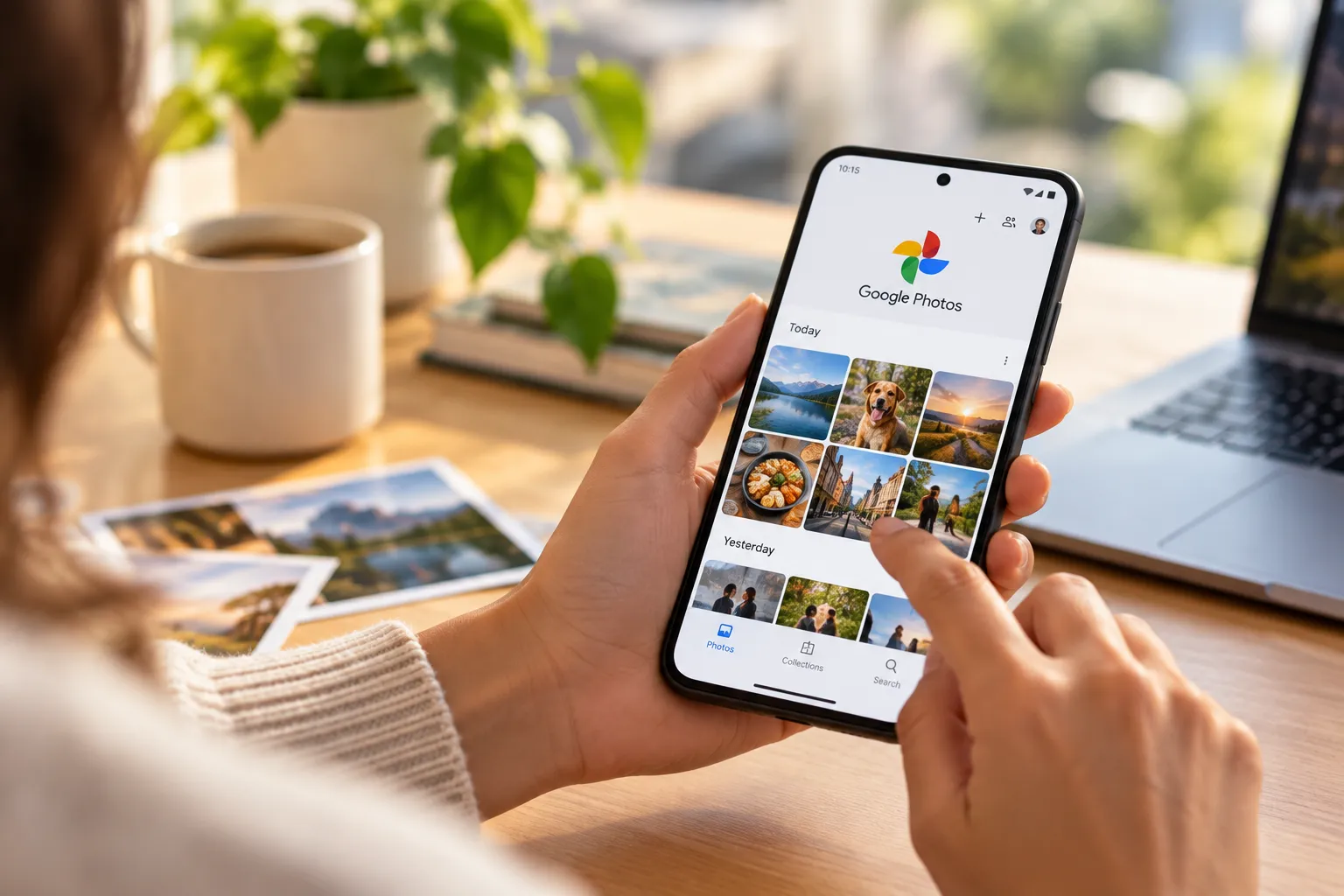
Google Photos recently introduced a clever sticker creation tool that automatically identifies subjects in photos and converts them into standalone stickers with just a tap and hold gesture, according to Android Police. The feature launched exclusively on iOS devices, with Google's own support documentation confirming that this functionality isn't available on Android devices. What makes this situation particularly ironic is that Google has a documented pattern of testing new features for its apps on iOS before implementing them on Android, as noted by Android Police.
This strategic approach reveals something important about Google's development philosophy: they're using iOS as a low-risk testing ground to refine features without affecting their core Android ecosystem if something goes wrong.
Why iOS got the sticker treatment first
The timing of this feature rollout reflects careful market analysis rather than random development priorities. When Apple released iOS 17 about two years ago, it introduced a similar tap-and-hold sticker creation feature that became an instant hit among users who discovered they could easily lift subjects from their photos with a simple gesture.
The feature's success wasn't just about novelty — it fundamentally changed how people interacted with their photo libraries, turning static memories into dynamic communication tools. This popularity prompted Android manufacturers, including Samsung, Xiaomi, and OnePlus, to develop similar functionality in their photo gallery apps, creating competitive pressure across the mobile ecosystem.
Google's decision to launch on iOS first makes strategic sense when viewed through this competitive lens. Rather than rushing to catch up on Android, they chose to enter a market where users already understood and valued the functionality. This approach allowed them to focus on perfecting their implementation rather than educating users about why they'd want sticker creation in the first place.
Google's implementation on iOS allows users to press and hold on any photo subject to quickly copy or share it as a standalone sticker, with the app automatically cutting the subject out from the background. The execution feels native to the iOS ecosystem while maintaining Google's signature AI-powered accuracy in subject detection.
What Android users are actually missing
Let's break down the technical sophistication behind this deceptively simple feature. When users activate sticker creation for the first time, Google Photos on iOS presents a brief introduction explaining the functionality, which demonstrates Google's attention to user onboarding even for gesture-based interactions.
The mechanics reveal impressive AI capabilities working behind the scenes. The feature detects when users tap and hold over the primary subject in a photo, causing a shimmer to appear around its outline to indicate selection. This visual feedback solves a critical UX challenge — helping users understand exactly what the AI has identified as the "subject" worth extracting.
Once identified, users get options to either copy the subject as a sticker or share it directly, with the copying functionality proving particularly valuable for cross-app workflows. Testing shows the AI works effectively across diverse subjects — cats and presumably other pets, people, and objects — suggesting robust machine learning models powering the subject recognition.
However, Google's third-party status on iOS creates interesting limitations. While the stock Photos app on iOS includes an "Add Sticker" button that saves subjects to your sticker menu and lets you apply visual effects like Outline, Comic, or Puffy, Google Photos on iOS lacks these advanced features because it's a third-party app. This constraint actually hints at what Google might deliver on Android, where they have deeper system integration capabilities.
For Android users seeking immediate alternatives, Google Messages offers similar sticker creation through its photomoji feature, though this workflow requires jumping between apps rather than the seamless in-Photos experience iOS users enjoy.
The light at the end of the tunnel
The Android implementation timeline is accelerating based on real-world testing evidence. Some fortunate Pixel owners are already gaining access to the sticker-creation tool in testing phases, indicating Google has moved beyond internal development into user validation phases.
What's particularly encouraging is how the Android implementation appears designed to exceed the iOS version's capabilities. Google has been actively testing the feature for Android users and is making progress toward a full rollout, with early testing revealing features that leverage Android's deeper system integration.
The Android version demonstrates Google's home-field advantages. Users can tap and hold over subjects to select them, with a copy button appearing automatically once selection occurs, but then generate previews and crop or edit their stickers before copying them to Gboard's clipboard functionality for use in other apps. This editing capability represents a significant advantage over the iOS implementation's more limited options.
The ecosystem integration goes deeper still. As of Jan. 20, created stickers are stored under the Collections tab in Google Photos on iOS. This cross-app persistence could make Android's version more valuable for users who create stickers regularly.
Bottom line: Strategic patience reveals bigger advantages
While watching iOS users enjoy Google Photos features first feels frustrating, this rollout strategy actually signals something more significant about Google's development priorities. The iOS testing phase isn't just about validating functionality — it's about understanding user behavior patterns and refining features before implementing them with Android's superior system integration capabilities.
Google rarely keeps app functionality permanently iOS-exclusive, and similar functionality is expected to appear in the Android version sooner rather than later. The current testing phases suggest Android users aren't just getting a port of the iOS feature — they're getting an enhanced version that takes advantage of Google's deeper platform control.
The Google Photos team has acknowledged that Android support hasn't rolled out yet, but promises to keep users informed about timeline changes, providing more transparency than usual about feature development timelines. The active testing with Pixel users suggests we're looking at a timeline measured in weeks or months rather than years.
The lesson here extends beyond this single feature. Google's iOS-first testing strategy, while counterintuitive, often results in better Android implementations that leverage the platform's unique advantages. For Android users, the wait might actually be worth it — especially when the final product includes editing capabilities and ecosystem integration that iOS users can't access.



Comments
Be the first, drop a comment!