



Find Hub left-behind reminders: what's confirmed so far
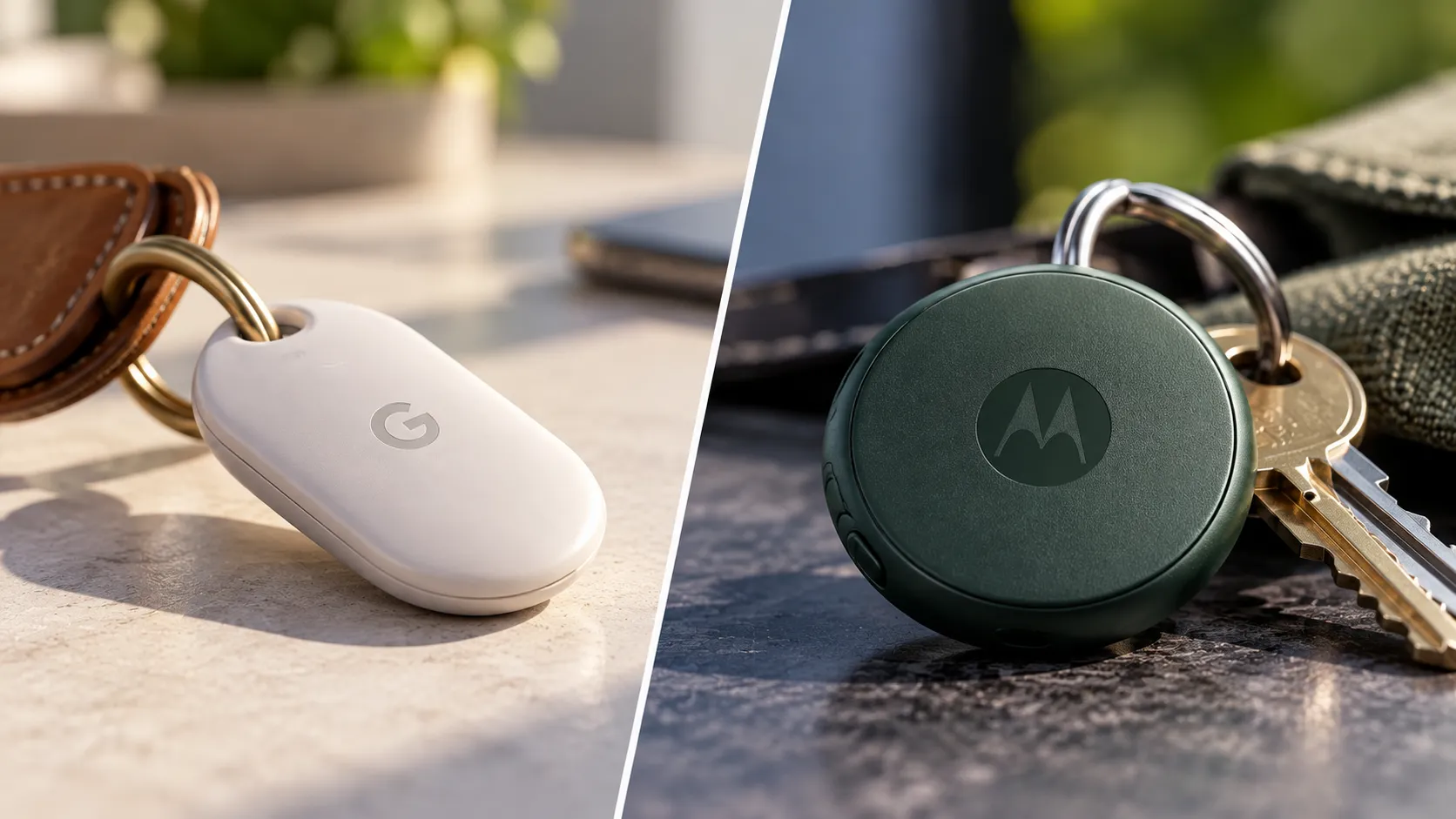
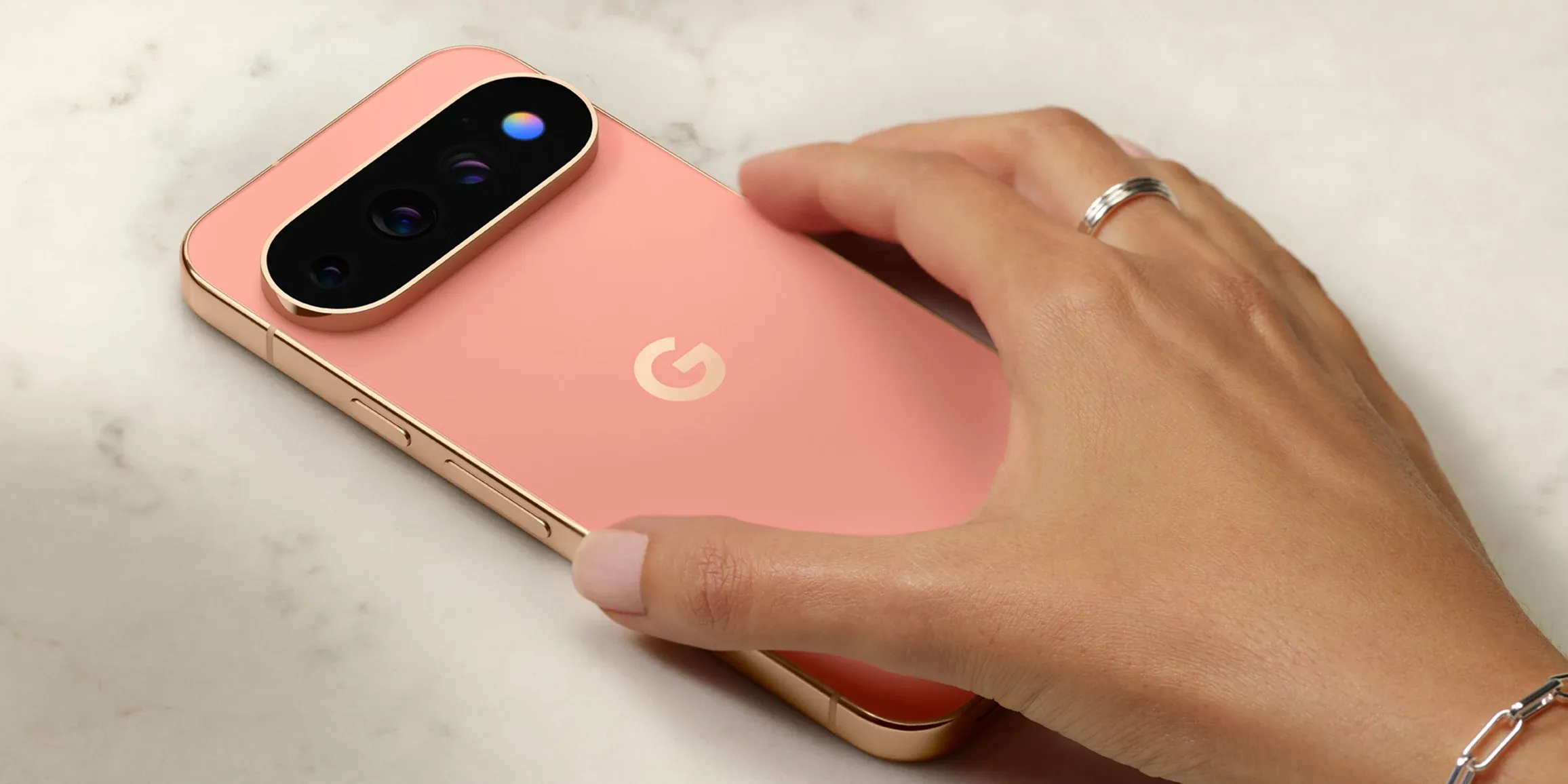
Google has announced left-behind alerts for its upcoming Pixel Tag tracker, a notification meant to ping you when you walk away from a tagged item. The feature is described on Google's own product page as something owners "can be enabled" once Pixel Tag launches Nov. 11 (Google). Everything beyond Pixel Tag, meaning Find Hub left-behind reminders for other tags and for earbuds, is still a mix of release-note reporting and unreleased app code, not a feature Google has shipped or confirmed model by model.
That distinction matters if a Find Hub-compatible tag or a pair of Android-tracked earbuds is already in your bag and you're wondering whether a left-behind toggle is hiding in your settings somewhere. Nothing confirms that it is, outside Pixel Tag.
Google's product page says left-behind alerts "can be enabled" on the tracker, though it also warns that alert timing depends on network connectivity and device settings (Google). Separately, Jetstream reported on Google's October system release notes, which describe native left-behind support arriving for the Find Hub app and tags through Google Play services version 26.39 and later (Jetstream). An APK teardown from Android Authority last month turned up matching code strings for both tags and earbuds, strings the outlet explicitly flagged as nonfunctional at the time.
Three sources, three different levels of certainty. Worth keeping straight before assuming your own device already has this.
How Find Hub left-behind reminders are rolling out
Pixel Tag is the only piece of this story Google has put its name on directly. The tracker launches Nov. 11, and its product page lists left-behind alerts as a feature owners will be able to turn on (Google). That's a company description of its own hardware, not an independent test of how the feature performs in daily use. Google isn't promising instant notifications, either; the page notes that how fast an alert arrives, and how reliable it is, depends on connection and settings at the time.
The broader rollout story comes from Jetstream's reporting on Google's October release notes. According to that reporting, left-behind reminders have so far been offered by some tag manufacturers through their own third-party apps, and Google is building native support directly into Find Hub for tags, starting with Play services 26.39 and later (Jetstream). That would be a real shift if it plays out as described, since the reminder would live inside Google's own app instead of depending on whichever brand made the tag. But it's a report on a release note, not a hands-on confirmation that the feature is visible and working for any particular tag model today.
Android Authority's reporting comes from a different angle entirely: digging through the code of Google Play services version 26.36.30. The outlet found two separate sets of left-behind reminder strings, one written for tags and one written specifically for earbuds, along with text describing an exception for leaving an item "at home." None of it was functional at the time of the teardown, the outlet said, and code surfaced this way doesn't guarantee a public release.
The claims split cleanly along three lines. Google advertises left-behind alerts as a feature for Pixel Tag, confirmed on its own product page but untested in the wild since the tracker hasn't shipped yet. Jetstream reports a broader native rollout for Find Hub tags generally, based on a company release note rather than a device-by-device check. Android Authority found work-in-progress code covering tags and earbuds that wasn't live when examined. Collapsing those three into "Find Hub now does this" overstates what any single one of them actually shows.
How to check for Find Hub left-behind reminders
There's no official settings walkthrough yet for a left-behind toggle outside Pixel Tag, so treat the following as things worth looking for rather than guaranteed steps.
Checking the Google Play services version is the easiest starting point. Jetstream ties the native rollout to version 26.39 or later, so anything below that number wouldn't be expected to carry the update (Jetstream). That number comes from a report on a release note, though, not a guarantee. Google hasn't published a device-by-device list confirming which tags or earbuds get the feature once the version requirement is met.
It's also worth understanding what "native support" actually changes. Jetstream's reporting describes left-behind reminders as something tag manufacturers already offer through their own apps; the shift Google is reportedly building would fold that function into Find Hub itself (Jetstream). If a tag already has a left-behind feature through its maker's app, check that app alongside Find Hub, since the native version may not have reached every model yet.
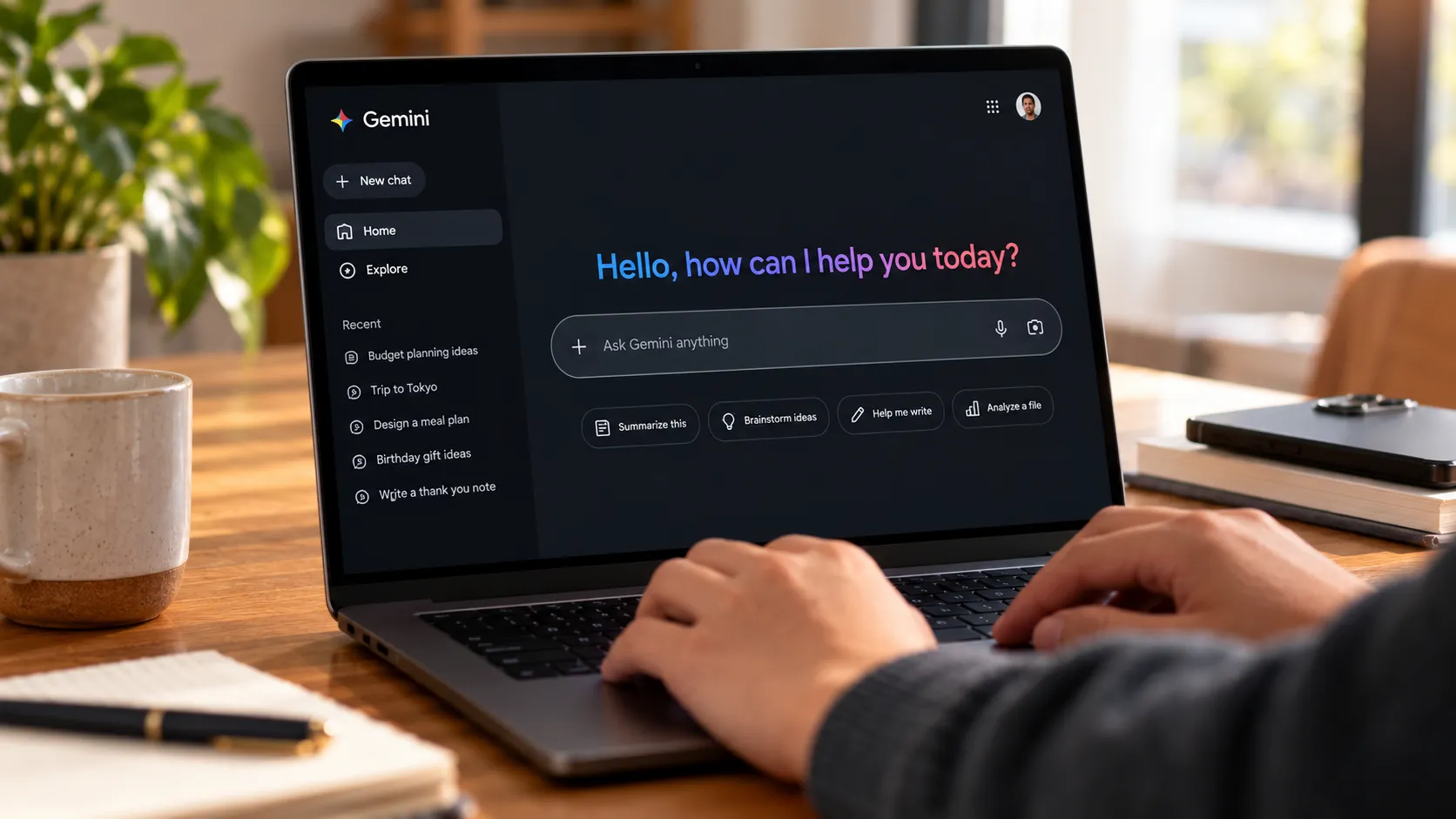
From there, open Find Hub and check the settings for each tracked tag or accessory. The app already handles core recovery tools: locating items on a map, playing a sound when they're nearby, and remotely securing or erasing a lost device (Google Play listing). That remote-erase option is tied to devices like phones and tablets rather than simple Bluetooth tags, so don't expect a tag itself to carry the same wipe function.
What remains unknown is substantial. Google hasn't said whether every Find Hub-compatible tracker gets native reminders at once or in stages, which third-party brands are included, or whether earbuds land on the same timeline as tags. Android Authority's code strings cover both categories, but strings alone don't confirm a release date for either one.
If a left-behind toggle does appear for a tag, testing it before relying on it for something valuable is reasonable, since none of this is officially documented yet. Neither Google's announcement nor Jetstream's rollout report explains how a "home" location gets set, and Android Authority's teardown found that exception in the code without detailing how it's configured. Treat any hands-on testing as informal verification, not a documented setup process, since Google hasn't published one.
A missing toggle right now doesn't necessarily mean anything's broken. It may just mean a specific device isn't part of whatever ships first.
NFC tagging and other changes headed to Find Hub
The same October release notes Jetstream cited describe more than left-behind alerts. Google Play services 26.39+ is also said to add NFC identification: tapping an NFC-compatible tag against an NFC-enabled Android phone to pull up the tag's details or help identify an item someone found (Jetstream). Jetstream connected this to code spotted in an earlier Play services build from late August, which displayed contact information for a tag's registered owner, and suggested the feature is likely aimed at upcoming Bluetooth trackers such as Pixel Tag rather than existing hardware broadly.
A simplified setup flow is reportedly coming too. Instead of pairing a tag first and naming or categorizing it afterward inside the app, the update is said to let users handle both during initial setup (Jetstream).
Reverse ringing is one feature worth separating out carefully. Google's Pixel Tag page documents a physical button on the tag that can ring a connected phone, confirmed for Pixel Tag once the tracker is actually available (Google). Android Authority's teardown found something related but broader: code suggesting a tag-triggered phone-ringing option that would work even with Do Not Disturb or silent mode enabled, as long as the phone stays within Bluetooth range. That's unreleased code, not a confirmed feature, and a different claim from what Google has announced for Pixel Tag.
For anyone weighing whether to buy Pixel Tag specifically, the basics are set: it goes on sale Nov. 11 for $29 single or $99 for a 4-pack, requires Android 9.0 or newer and Bluetooth 6.0 or newer, and can be shared with up to 10 people tracking the same item (Google).
What to do now
If Pixel Tag is on the shopping list, Google has already confirmed left-behind alerts will be available once it launches Nov. 11. Check for the toggle after launch and watch how it behaves before trusting it with something expensive, since the feature hasn't been tested outside Google's own description yet.
If a different Find Hub-compatible tag is already on a keychain or in a bag, check both the Find Hub app and the manufacturer's own app for a left-behind option, update Google Play services to see if 26.39+ unlocks anything, and don't assume a missing setting means the software is broken. Jetstream's reporting describes a rollout, not a confirmed per-device feature list.
Earbud owners have no confirmed release window at all. The only evidence of left-behind support for earbuds is unreleased code that Android Authority found nonfunctional. Until Google documents a specific model or publishes its own support page, treat left-behind reminders as announced for Pixel Tag, reported for other Find Hub tags, and unconfirmed for earbuds.




Comments
Be the first, drop a comment!