



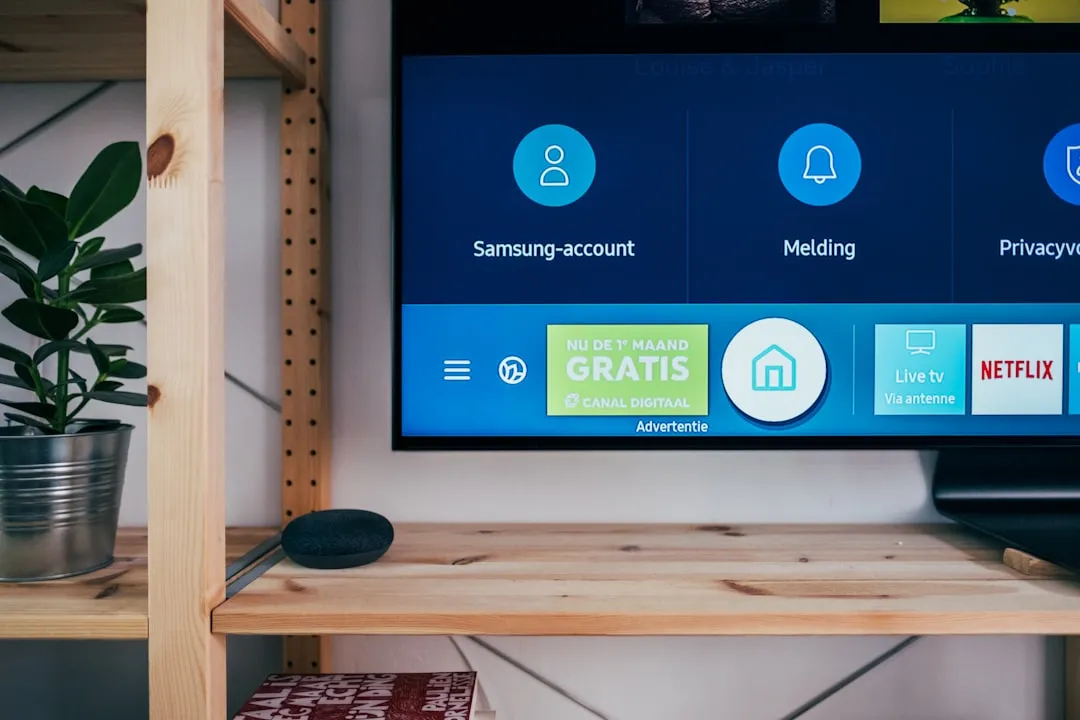
YouTube Shorts on Google TV Home Screen Gets Dedicated Row
Google is bringing YouTube Shorts to the Google TV home screen this summer with a dedicated "Short videos for you" row that plays videos without opening the YouTube app, 9to5Google and The Verge reported today. The rollout is limited to US devices, with no exact date beyond "by the end of the summer."
The row lands inside the same "For You" tab that, since early 2023, has organized content around movies, shows, family entertainment, and Spanish-language programming, with navigational improvements including profile switching and dedicated content pages, per a Google blog post from that time. What Google is inserting now is a personalized, algorithmically driven feed of short-form video a different category of content from the structured subscription browsing the tab was built around.
What the Google TV YouTube Shorts update changes
The "Short videos for you" row will appear directly on the home screen. Users scroll to it, videos play inline, no app launch required, according to The Verge.
Google describes it as a "personalized feed of snackable videos" that starts with YouTube Shorts and will expand to other formats over time, per 9to5Google. Instagram already has a Google TV app, and both 9to5Google and The Verge note that other vertical video services TikTok and Instagram Reels among them seem like plausible future additions, though nothing beyond Shorts is confirmed. The row's name, "Short videos for you," reads less like a YouTube widget and more like a new content category Google is staking out on the home screen.
That framing matters when you look at the 2023 version of the same tab. The For You update three years ago gave users four new content pages Movies, Shows, Family, and Español each pulling titles from across subscriptions without requiring users to launch individual apps, according to Google's blog. The Family page filtered to PG ratings and below. The profile switcher moved to the top left. The whole update was structured around navigating content people had already chosen to pay for. What Google is adding now operates on different logic: a feed that surfaces content based on personalization signals, not subscription choices.
The Shorts row was announced alongside several other Google TV updates today. Gemini-powered AI creation tools are coming to the platform, including Nano Banana for image editing and Veo for video generation, both accessible through a "Create" button in the Gemini tab, 9to5Google reports. Google Photos is getting voice search and a Remix editing feature on Google TV, which lets users transform photos into different styles such as watercolor or oil painting, per The Verge. Both are currently limited to Gemini-enabled devices in the US.
The Google TV Photos screensaver update is the broadest in reach. The new Dynamic Slideshow feature turns any Google Photos album into an animated screensaver when the TV is idle, with special frames and backdrops, and will be available on eligible Google TV devices globally, per 9to5Google. To use it, users select Google Photos as the screensaver source under Quick Settings. It starts rolling out today on Gemini-enabled TCL TVs in the US, with broader device support to follow.
Why YouTube Shorts is coming to Google TV now
The business case runs through the ad market. Brian Binder, senior innovation and growth director at Tinuiti, told Business Insider three months ago that the industry is "very close to a tipping point where more traditional TV budgets start flowing to YouTube." The data point behind that claim: 67% of US YouTube campaigns purchased through Tinuiti's platform in Q4 2025 were attributed to TV screens, not phones or laptops, per that same report.
Shorts specifically is pulling more agency budget. The share of US agencies planning to include YouTube Shorts in their media mix rose from 50% to 67% between 2025 and 2026, according to a Pixability survey of 288 agency professionals, published in January. Pixability is a video ad platform with commercial reasons to paint that picture, but the directional shift tracks with Tinuiti's actual spending data.
Put those two trends together and the home screen placement reads as a deliberate commercial decision. If advertisers are already buying Shorts inventory on TV screens in volume, surfacing that format before users have opened a single app extends YouTube's ad reach into the first moment of a viewing session. That is also, by design, where attention is least divided.
The broader context: TV ad spending is projected to reach $167.4 billion globally in 2026, per WPP Media via Business Insider. For years, advertisers classified YouTube as "online video" or "social media," keeping it in a separate bucket from TV budgets. That classification is breaking down. The same Pixability survey found 63% of US agencies now define YouTube as a CTV platform, up from a minority position just a few years ago. Placing Shorts on the Google TV home screen is Google pushing that reclassification further not just arguing that YouTube belongs on the TV, but making it structurally present before anything else loads.
The unanswered questions about a personalized feed on a shared screen
Google has not said whether users can dismiss or disable the Shorts row, whether videos autoplay on the home screen, or how ads within the feed will be handled. Neither 9to5Google nor The Verge reported any user controls announced alongside the feature. Those omissions matter more on a television than they would on a phone.
A personalized feed on a smartphone is a private experience, tuned to one person. The same feed surfaced automatically on the main household television is visible to everyone in the room, including children. The 2023 Google TV update included a Family page filtered to PG ratings and below, plus dedicated kids' profiles, according to Google's blog. Google has not said whether the Shorts row will fall under those same controls or operate separately from them.
The content question has a parallel in the ad industry's own concerns. Thinkbox CEO Lindsey Clay told Business Insider three months ago that broadcast TV and YouTube are "worlds apart" for advertisers, specifically because "TV is fully regulated, all content is pre-vetted by humans to ensure quality and safety for viewers and advertisers." She added: "There are no scam ads on TV." An algorithmically personalized short-form video feed operates under none of that infrastructure. For households with children or multiple viewer profiles, the gap between how existing For You content is filtered and how the new Shorts row will behave is the detail that most needs answering before launch.
The absence of any announced moderation or opt-out mechanism is not necessarily a sign those controls won't exist. But it is notable that Google chose to announce the feature without them.
What to check when the row goes live
When the Shorts row reaches US Google TV devices this summer, two things are worth checking immediately: whether there is an opt-out and, if so, where it's buried in settings; and whether kids' profiles and family-safe filters apply to it automatically or require manual configuration.
Longer term, Google has signaled that the row will expand beyond Shorts to other short-form platforms, per 9to5Google. If additional services are added without clear user controls, the home screen shifts from a tool that helps you find what to watch into a surface that's already made that decision. Whether that lands as a convenience or a frustration will depend entirely on controls Google hasn't announced yet.

Comments
Be the first, drop a comment!