





Pixel 11 Proactive Assistance: What the Gemini Leak Reveals
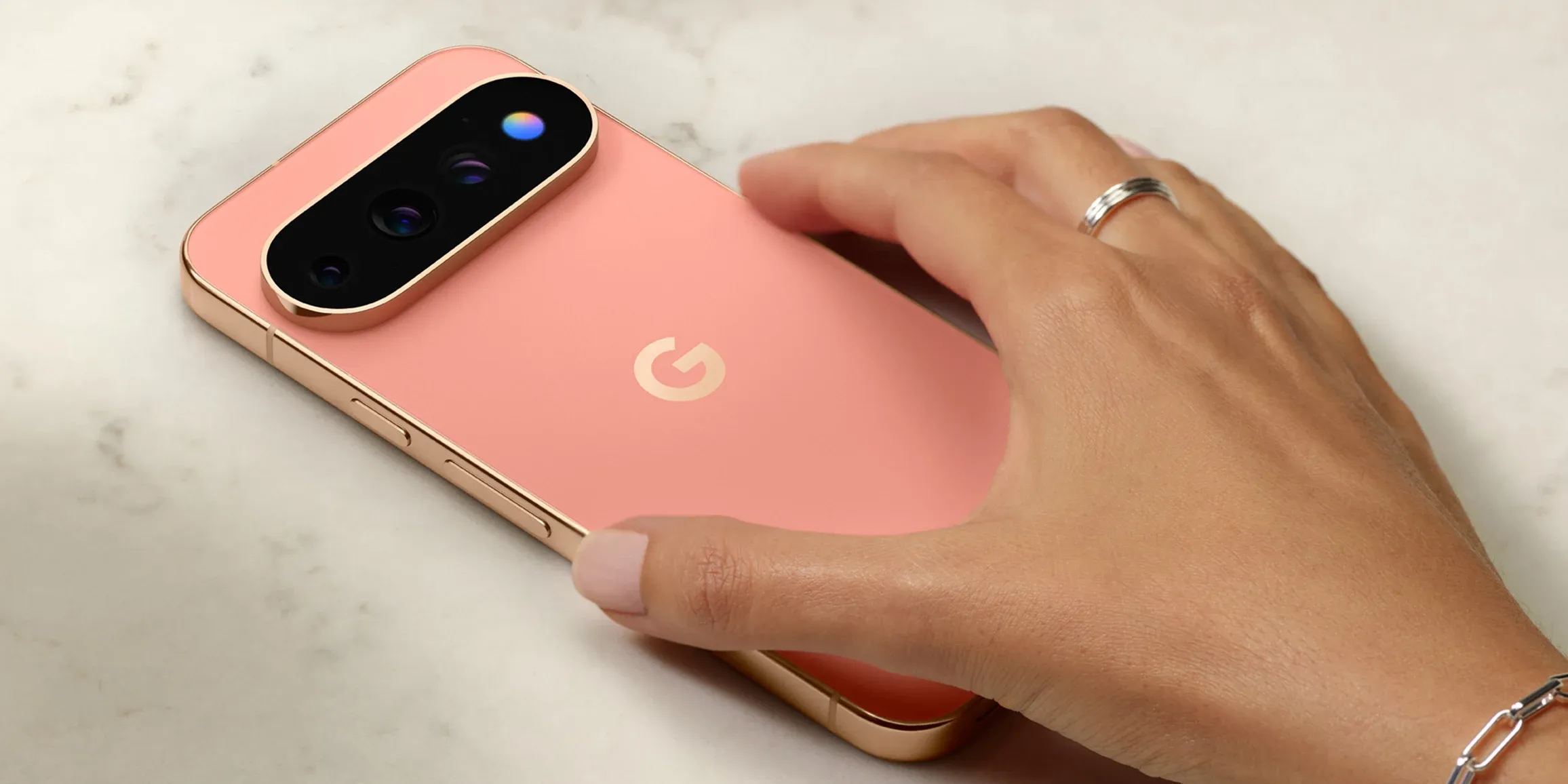
Days before Google's Pixel 11 launch event, code teardowns show the company finalizing onboarding screens for a feature called Proactive Assistance, currently gated to Pixel 11 hardware only, according to Android Authority. The discovery gives the clearest look yet at a feature that could become one of the more visible AI additions on Google's next flagship, and at how far the company is willing to let Gemini reach into a user's inbox, calendar, and text messages before being asked.
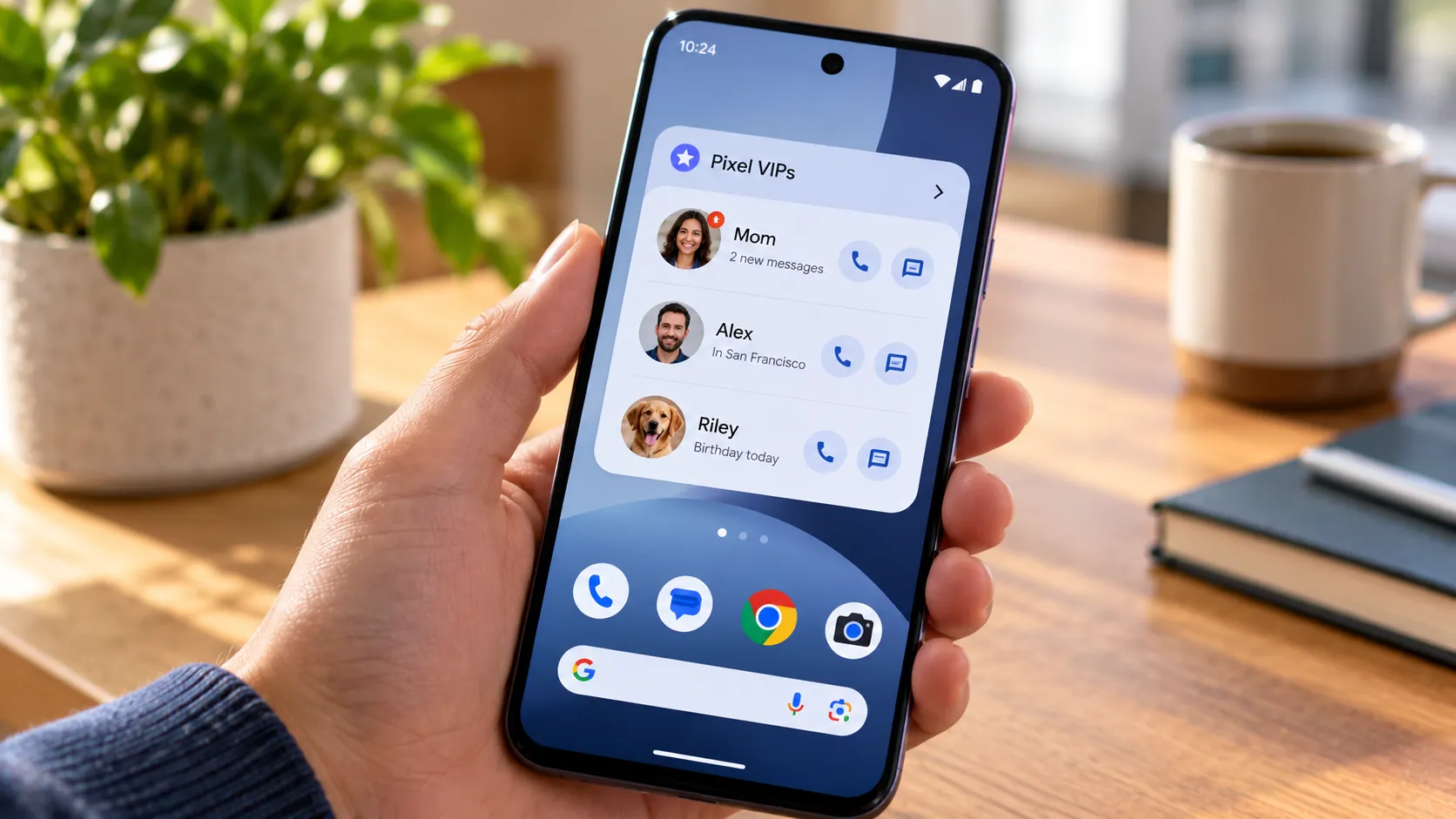
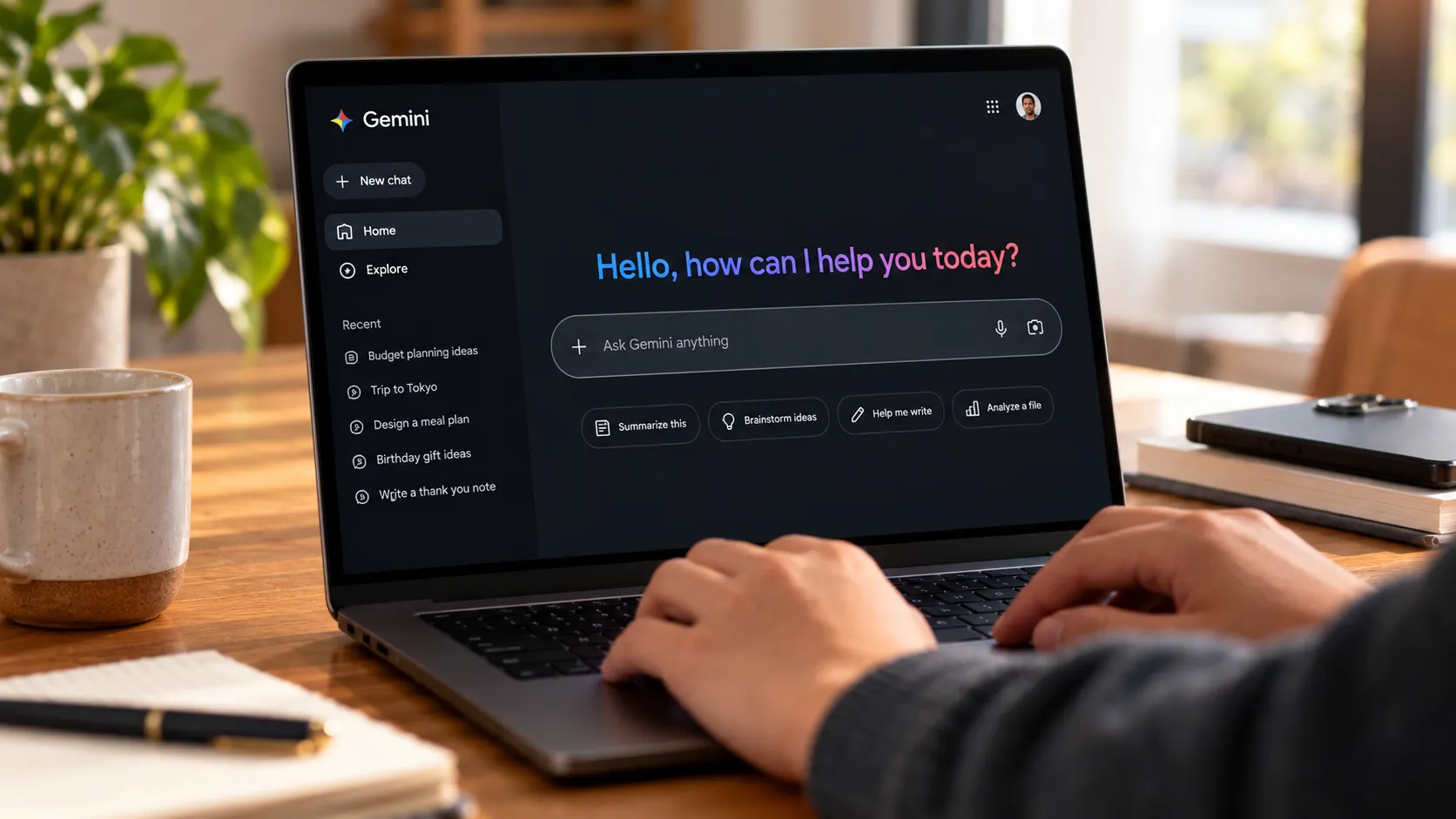
The feature looks like an evolution of Magic Cue, the Gemini Nano-powered tool Google introduced with the Pixel 10 last year to surface relevant information from Gmail, Calendar, and Messages, according to the Google Pixel blog. Leaked strings suggest Gemini branding is now front and center, with the tool described as showing "useful info from your emails and messages" during a phone call, 9to5Google reported last month.
What follows is a breakdown of what Proactive Assistance appears to do, how it relates to Magic Cue, why its privacy settings matter more than usual, and how it fits into Google's stated ambition to turn Android into what the company calls an "intelligence system," per the Google Security blog. Google's Pixel 11 event is reportedly set for next Wednesday, which makes this about as complete a preview as exists before the company speaks for itself.
What is Pixel 11 Proactive Assistance?
Android Authority found onboarding and settings screens for Proactive Assistance buried in Google app version 17.47.17, and as of now, those screens are configured to appear only on Pixel 11 hardware, according to the outlet's teardown. That doesn't rule out an eventual expansion to older phones like the Pixel 10, but it does mean early adopters shouldn't expect it at launch.
The feature is described internally the same way Google described Magic Cue: a system for "contextually surfacing useful information between apps," per Android Authority. Leaked setup text goes further, saying Gemini will draw on whatever is on a user's screen, their notifications, and information from apps they specifically choose, such as Gmail and Calendar, to generate suggestions, according to 9to5Google.
That's a meaningful data point: this isn't speculation about a hypothetical AI feature. It's a near-shipping product with working onboarding flows and settings screens. What it isn't, yet, is officially confirmed by Google, which means everything here should be read as a leak-based preview rather than a spec sheet.
How Gemini Proactive Assistance works between apps
The clearest illustration of the concept comes from a mundane scenario: a phone call. Beta code in Phone by Google reportedly shows Gemini offering to "get helpful info for this call," drawing on relevant details from a user's emails and messages, according to 9to5Google.
The same leaked strings promise "suggestions from Gemini at the right time," language that points to the ambient, unprompted nature of the tool, 9to5Google noted. Nobody types a query in this model. Gemini decides, on its own, that a piece of information is worth surfacing right now.
That framing lines up with Google's broader Gemini Intelligence pitch, which describes Android devices as able to "deeply understand your context" and "anticipate your needs" without a command being issued, according to the Google Security blog. The strings behind Proactive Assistance are still beta code rather than a finished product, so how cleanly this works in practice, and whether it ever surfaces the wrong email at the wrong moment, is a question the leaks themselves can't answer.
Proactive Assistance vs. Magic Cue on Google Pixel
The relationship between the two names is the single most confusing part of this leak, and it's worth untangling carefully. 9to5Google reports that Magic Cue's codename inside the Phone app, "beacon," is now internally labeled Proactive Assistance, which points toward a rebrand or consolidation under the Gemini name rather than an entirely new tool.
Complicating that theory, Android Authority found that Google's work on a separate, reportedly upcoming feature called Conversation Capture still contains explicit references to Magic Cue, suggesting the two names may coexist rather than one cleanly replacing the other. Magic Cue launched a year ago as an on-device feature powered by Tensor G5 and Gemini Nano, according to the Google Pixel blog. An earlier reference in the Gemini app from several months back reportedly described Proactive Assistance data as processed "entirely in a private, encrypted space on your device," language that's nearly identical to how Google describes Magic Cue today, per 9to5Google.
Google hasn't clarified the relationship publicly. This looks more like an evolution or a rebrand than a confirmed clean swap, and the Pixel 11 event next week may be where Google settles the question, though nothing guarantees it will.
Pixel 11 Proactive Assistance privacy settings
The feature's usefulness and its privacy exposure scale together. Leaked setup screens reportedly let users choose exactly which apps, such as Gmail and Calendar, Proactive Assistance is allowed to draw from, according to 9to5Google. Android Authority reports that Google's onboarding flow is built to walk users through both what the tool does and the privacy implications of the data it touches, per the outlet's findings.
Google's broader Gemini Intelligence privacy architecture rests on three stated principles: explicit user control, thorough data protection, and operational transparency, according to the Google Security blog. The company says proactive features like Magic Cue rely on protections including Private Compute Core and Private AI Compute to safeguard the ambient data they process. Google also says users decide whether data is shared with Gemini "in settings, permission screens, or by action," citing Magic Cue specifically as its working example of that principle.
What's still unresolved isn't whether data is designed to stay on-device, the April string already claims that, but whether Google has published final Pixel 11 documentation confirming retention windows and whether every finished Proactive Assistance workflow actually follows that on-device model. There's also no public list yet of which third-party apps beyond Gmail and Calendar might eventually qualify. Those gaps aren't disqualifying on their own, but they're the kind of detail that determines whether "proactive" reads as helpful or invasive once the phone actually ships.
The bigger picture: Gemini intelligence and an agentic Android
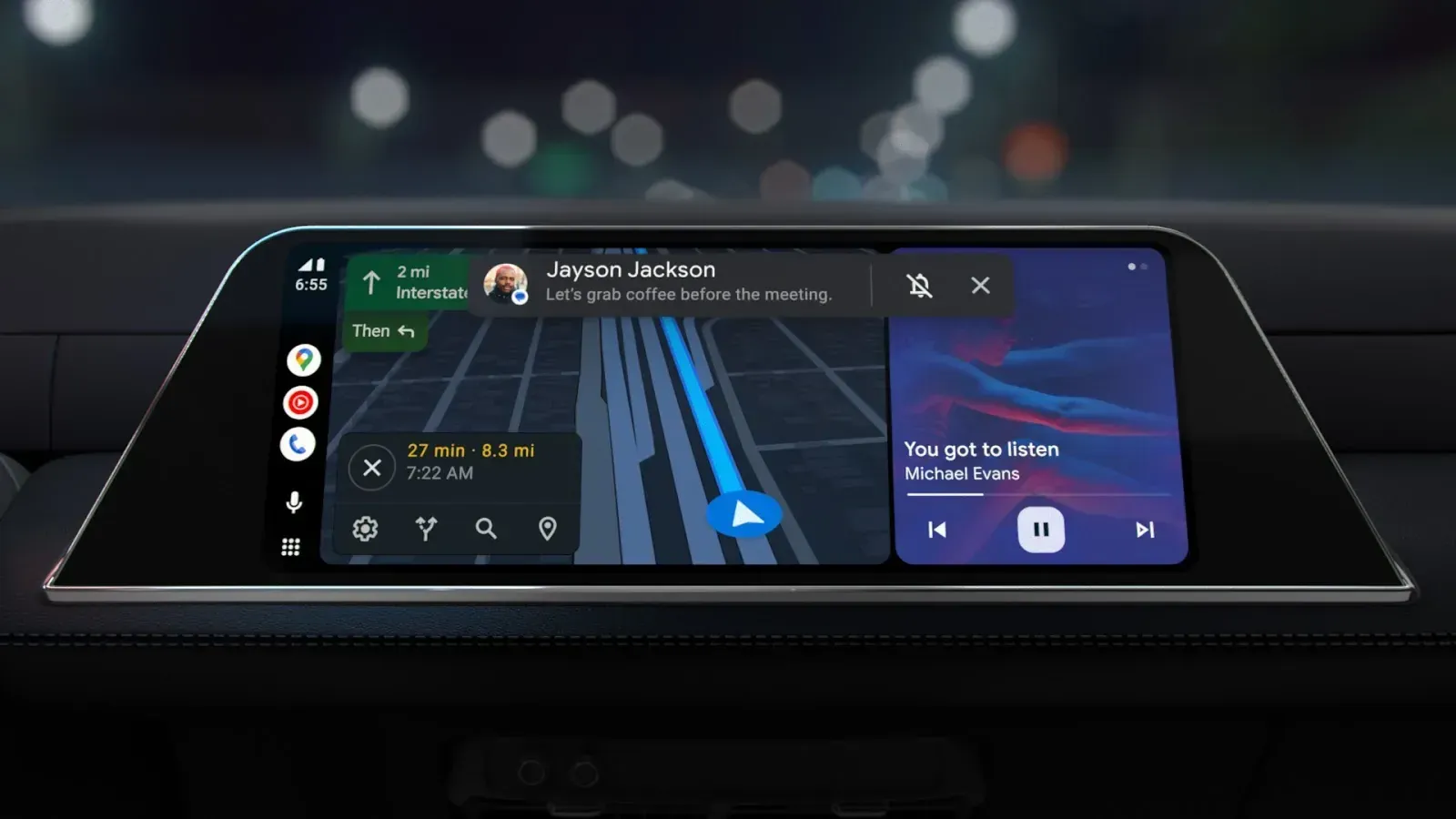
Proactive Assistance doesn't exist in isolation. Google has described Android as "evolving from an operating system into an intelligence system," according to the Google Security blog, with Gemini Intelligence set to roll out in waves starting with the latest Galaxy and Pixel phones this summer before expanding to watches, cars, glasses, and laptops later this year, per the Google Android blog. Surfacing information looks like an early rung on that ladder, not the whole structure.
Google says it has spent months fine-tuning multi-step app automation on the Galaxy S26 and Pixel 10 for food and rideshare apps, a signal that proactive suggestions are meant to lead toward Gemini eventually completing tasks outright, not just flagging them, per the Google Android blog. Google maintains a distinction worth preserving here: user-initiated automation only begins when explicitly triggered and requires confirmation before any purchase, according to the Google Security blog. Proactive Assistance, as described in the leaks, appears limited to surfacing information rather than acting on a user's behalf, a narrower scope than the automation Google is building elsewhere under Gemini Intelligence.
What comes next
Google's Pixel 11 event is reportedly just days away, and Android Authority has suggested waiting for the launch itself to see how these pieces, Proactive Assistance, Magic Cue, and Conversation Capture, actually fit together. Whether Google uses the stage to formally rename Magic Cue, keep both tools running side by side, or simply say nothing and let the code speak for itself, is still an open question.
The privacy documentation gap is the part worth watching closest once the phone ships. Leaked strings describe a tool that can see screen content, notifications, and whichever apps a user opts in, and Google's stated principle is that people control that access through settings and permission screens. Whether the finished Pixel 11 build backs that up with published retention details, rather than leaving it to leaked beta strings, is something only Google's own announcement can answer.


Comments
Be the first, drop a comment!