



Imagine paying for an ad-free music experience, only to have commercials interrupt your morning playlist through your Google Home speaker. That's exactly what's happening to YouTube Premium subscribers right now, and it's not just a one-off glitch. Google has officially acknowledged that paying customers are unexpectedly hearing advertisements when streaming YouTube Music through their Nest and Home devices, according to reports surfacing across Reddit and Google's support forums. The company posted a brief acknowledgment on its support page confirming they're investigating the problem, but more than 48 hours later, users still haven't received any concrete explanation for what's causing the issue. What makes this particularly frustrating is that complaints have circulated on Reddit for nearly a month before Google even responded, suggesting the company was slow to recognize the scope of the problem. For subscribers paying $13.99 monthly specifically to avoid ads, this isn't just annoying—it's a fundamental breach of what they're paying for.
What's actually going wrong with Premium subscriptions?
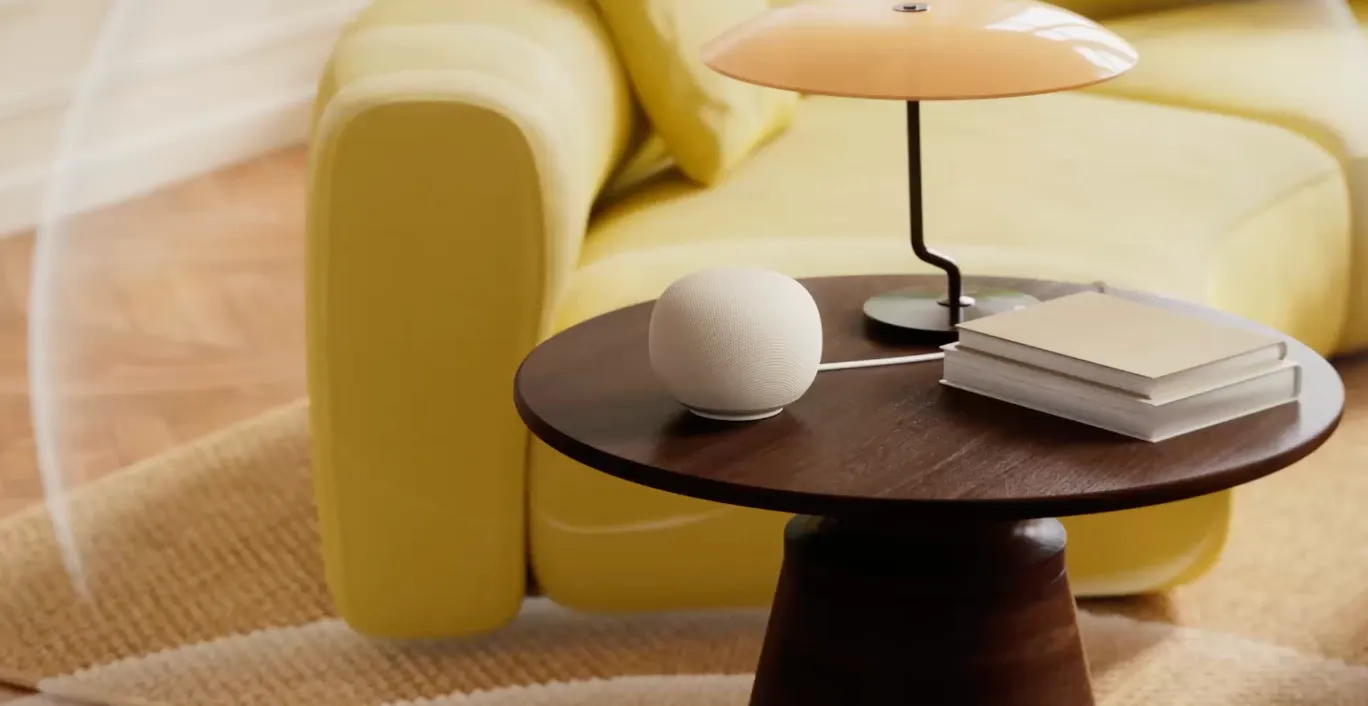
Here's where things get interesting: the issue doesn't affect everyone uniformly, but for those experiencing it, the problem is consistent and maddening. Users report that advertisements have started appearing during YouTube Music playback specifically on Google Home Max and other Nest devices within the past few weeks, despite having active, long-standing YouTube Premium subscriptions. The problem appears isolated to smart speaker playback—Premium works fine on desktop and mobile devices for affected users, which points to something broken in how Google Home devices authenticate Premium entitlements.
One particularly revealing detail emerged from the Reddit discussions: ccording to a Reddit user report (shared on r/googlehome and cited by Android Police), one user discovered their account showed a switch from YouTube Premium to Premium Lite — a claim Google has not confirmed, the cheaper $7.99 tier that includes limited advertising. While Google hasn't confirmed any forced plan changes, this discovery suggests the issue might involve subscription validation or account linking failures between the Home ecosystem and YouTube's servers. The price difference between these plans is significant—Premium costs $13.99 monthly versus Premium Lite at $7.99—and it doesn't make economic sense for Google to downgrade paying customers unless there's a serious technical glitch happening behind the scenes.
The smart speaker ecosystem connection nobody's talking about
This isn't just about ads slipping through—it reveals deeper cracks in how Google's smart home ecosystem handles premium entitlements. Multiple users report that unlinking and relinking their speakers to their accounts doesn't resolve the problem, suggesting the authentication issue exists at a higher system level. One technically-minded user identified what they believe is the core problem: the Home app recognizes the account but fails to validate the Premium subscription status with YouTube's OAuth server. That's a pretty specific diagnosis, and it tracks with the symptoms people are experiencing across the board.
What makes this technical failure particularly revealing is how it exposes the complexity of maintaining consistent service entitlements across multiple backend systems. YouTube Music's subscription management APIs, Google Home's Cast protocol implementation, the Google Account authentication layer, and the device-level entitlement cache all need to agree on your Premium status. A cache invalidation bug or API versioning mismatch in any of these components could explain the intermittent failures users are experiencing.
Even more concerning, the same authentication failure appears to affect casting functionality, preventing some users from casting YouTube Music from their phones to any Nest or speaker group devices. This suggests the bug isn't limited to voice-activated playback but extends across the entire session management pipeline between YouTube Music and Google's smart home infrastructure. For context, these are users who've been subscribers since the Google Play Music days—some maintaining uninterrupted Premium access for years—making the sudden authentication failures all the more puzzling. When a system that's worked reliably for that long suddenly breaks, you're usually looking at a recent code change or API update that introduced the regression.
Workarounds that actually work (for some users)
While Google investigates, some users have stumbled onto temporary fixes that shed light on what might be going wrong. The most effective workaround involves household account management, and it's revealing because it points to a different root cause than pure authentication failure.
PRO TIP: Before trying complex troubleshooting, check if other household members have YouTube Music set as their default service in Google Home settings. Setting them to "No Default" resolves the issue for many multi-user households without any other changes needed.
Here's what worked for multiple affected users: one subscriber discovered that their spouse's phone had YouTube Basic (the free tier) selected as the default music provider, and the Google Home system was defaulting to that account instead of the Premium subscriber's account. By setting all other household members' music preferences to "no default provider", the issue resolved immediately. Multiple users confirmed this fix worked for them, with one reporting success after checking their son's phone and finding it set to default instead of YouTube Premium.
This workaround succeeds because it eliminates account selection ambiguity. When Google Home receives a voice command without clear user identification, it may be defaulting to the wrong household member's account settings—a multi-user authentication problem rather than a subscription verification failure.
For those still experiencing issues after trying the household account fix, there's a more aggressive reset process that's helped some users. This method starts with power cycling a Google Home device, then setting all users to "no default" music service. The key is waiting for the device to confirm no service is selected by asking it to play music—it should respond that there's no music service selected—and only then re-selecting YouTube Music Premium. This process appears to force a fresh authentication handshake between the Home device and YouTube's subscription servers, clearing any cached credentials that might be causing the problem.
Now here's the thing: not everyone agrees these workarounds address the root cause. Some users insist this is purely a server-side problem that Google needs to fix, particularly when voice commands to smart speakers don't involve any phone or app interaction at all. They've got a point—when you're using voice activation exclusively, household account settings on phones shouldn't even come into play. The fact that these workarounds help some people but not others suggests there might be multiple bugs contributing to the same symptom.
What Google needs to do (and what you should monitor)
Google's response so far has been underwhelming for a company that typically moves quickly on service disruptions. The team has asked affected users to enable device usage and crash reports, then send feedback immediately after experiencing ads by saying "OK Google, send feedback" with the specific keyword phrase "GHT3 Getting Ads when playing YouTube music", which suggests they're still in the diagnostic phase rather than having identified a root cause. The company has also noted they need more fresh feedback submissions to investigate further, indicating the issue may be intermittent or affecting different device configurations in different ways. That's support-speak for "we're not sure what's going on yet."
PRO TIP: When reporting this issue to Google, send feedback immediately after experiencing ads by saying "OK Google, send feedback" followed by "GHT3 Getting Ads when playing YouTube music." This specific keyword helps Google's engineers track and prioritize your report.
What's particularly telling is how long this has taken to even get acknowledged. As mentioned earlier, these issues have been discussed on Reddit for nearly a month before Google responded, which is a remarkably slow response time for a company of Google's size dealing with a subscription service problem. The frustration in the community forums is palpable—some users note they are "beyond frustrated" and that YouTube Music and Google seem to be pointing fingers at each other. One subscriber noted they didn't have this issue back when it was Google Play Music, highlighting how the migration to YouTube Music has introduced complications the old system never had.
This incident highlights a challenge somewhat unique to Google's ecosystem complexity. Apple's tighter hardware-software integration means HomePod authentication issues are rarer, while Amazon's Alexa has faced similar multi-user account confusion with Prime Music. The difference is how quickly these companies detect and resolve subscription entitlement failures affecting paying customers. The month-long delay before acknowledgment raises questions about whether Google's internal monitoring systems flagged the subscription verification failures or if the company only responded after complaint volume reached critical mass.
Bottom line: if you're paying $13.99 monthly for ad-free music, you shouldn't need to become an unpaid QA tester. Some frustrated subscribers are already threatening to cancel Premium and switch to Spotify until Google resolves the authentication problems. If you're affected, try the household account workaround first—it's quick, doesn't require waiting for Google to push a fix, and has the highest success rate based on community reports. But keep documenting when ads appear, and seriously consider whether you're getting what you're paying for. This issue highlights exactly why subscription services tied to complex smart home ecosystems need bulletproof entitlement validation, and right now, Google's system is clearly failing that basic requirement.

Comments
Be the first, drop a comment!