






YouTube Music has been missing something that most music lovers consider absolutely essential—the ability to seamlessly pick up your playlist exactly where you left off when switching between devices. Think about it: you're jamming to your favorite album on your phone during your commute, get to work and want to continue on your computer, only to find yourself manually hunting for where you stopped. It's one of those friction points that can completely kill your music flow.
Well, Google has finally stepped up to address this gap, rolling out cross-device queue synchronization that brings YouTube Music much closer to what we've come to expect from modern streaming platforms. The platform is gradually implementing this upgrade to let you resume your queue across phones and tablets using the same account. Here's what's particularly interesting: previously, YouTube Music only maintained continuity when switching from desktop to mobile, which left mobile-to-mobile transitions frustratingly broken. This update eliminates that limitation entirely, so the app displays your most recent song in the miniplayer regardless of which device you used last.
How the new sync experience actually works
When you stop a playlist on an iPad at home, your Android phone displays the same queue ready to continue when you're heading out the door. Users first noticed the change when their Now Playing queue appeared on a second mobile device without any manual intervention, which suggests Google rolled this out quietly in the background.
The feature operates as a server-side rollout rather than requiring a specific app update, meaning there's no complicated setup process or hidden settings to configure. This server-side approach is particularly smart for Google's deployment strategy—it allows them to control the rollout pace and monitor system stability without forcing millions of users to update their apps simultaneously.
The experience is straightforward: open YouTube Music on a different mobile device and the miniplayer shows your last track with the queue preserved. Simply tap play and your session continues from where you left off. This functions like a soft handoff rather than a full device transfer—instead of actively selecting "play here" or "control there" like Spotify Connect's active device orchestration, you're simply resuming the latest session on whatever device is in your hand. The design prioritizes simplicity over granular control, which fits Google's broader approach to consumer-friendly automation.
What this means compared to the competition
While Spotify Connect allows live device control and effortless handoff between speakers, phones, and desktops, YouTube Music's update takes a different philosophical approach. The platform emphasizes continuity of the queue rather than active device orchestration, which means less real-time control but potentially fewer points of failure.
The system doesn't appear to offer real-time remote control or cross-device volume management. When multiple devices are actively used in quick succession, the most recent session takes precedence. This design choice makes sense when you consider Google's ecosystem strategy—rather than building complex device-to-device communication, they're leveraging cloud infrastructure to maintain state across sessions.
However, YouTube Music offers one genuinely clever advantage: it can maintain playback progress across multiple playlists or albums simultaneously, rather than just tracking your most recent session. This means if you were listening to one playlist on your phone and a different album on your computer, YouTube Music will remember where you left off in both. That addresses a real-world scenario where you might have different listening contexts—perhaps a workout playlist on mobile and a focus music album on desktop—without forcing you to choose between them.
Also worth noting: this continuity is account-specific, so switching profiles on shared devices remains important to avoid overwriting queues. Given Google's investment in family account management through YouTube Premium profile switching, this limitation actually reinforces the importance of proper account hygiene in households with multiple users.
Why seamless transitions matter for modern listening habits
The behavioral impact extends far beyond simple convenience. Most listeners bounce between devices throughout the day—phone on the commute, tablet at home, desktop at work. When resuming playback takes several taps or manual searching, people just drift away, abandoning their listening sessions entirely rather than dealing with the friction.
Smoothing that transition reduces drop-off, supports longer sessions, and makes playlists feel continuous rather than siloed. For creators and labels, that continuity can translate into more completed tracks and better session depth, representing a meaningful win for the entire music ecosystem.
Consider the psychological aspect: when you're deep into discovering new music through a carefully curated playlist, breaking that flow because you switched devices can completely derail the experience. The algorithm learns from completion rates and listening patterns, so maintaining session continuity doesn't just help users—it helps the platform understand preferences more accurately. The value is intensely practical: you no longer need to dig for the last playlist or remember where you stopped. It's the kind of feature that fades into the background when it works—exactly where usability improvements belong.
Getting started and what to expect
To test whether you have access, pause playback on one device, wait a moment, then open the app on another phone or tablet using the same Google account. If the miniplayer shows your last track and queue, you're in. If not, try force-closing and reopening the app, or ensure you're on the latest public build for Android or iOS.
Keep in mind that availability may vary by region and account since this appears to be a server-side rollout. Google's staged deployment approach means they're likely monitoring system performance and user behavior before expanding access globally.
The feature requires YouTube Premium subscription access, which aligns with YouTube Music's positioning as a premium service. Free users have access to limited features and will need to upgrade to take advantage of cross-device sync. Also note that casting to smart speakers remains unchanged; this update focuses on resuming within the mobile app itself.
PRO TIP: If you're part of a household with multiple YouTube Music users, ensure everyone uses their individual profiles rather than sharing accounts. The sync feature works best when it can cleanly track individual listening patterns without cross-contamination from other family members' music preferences.
Where YouTube Music goes from here
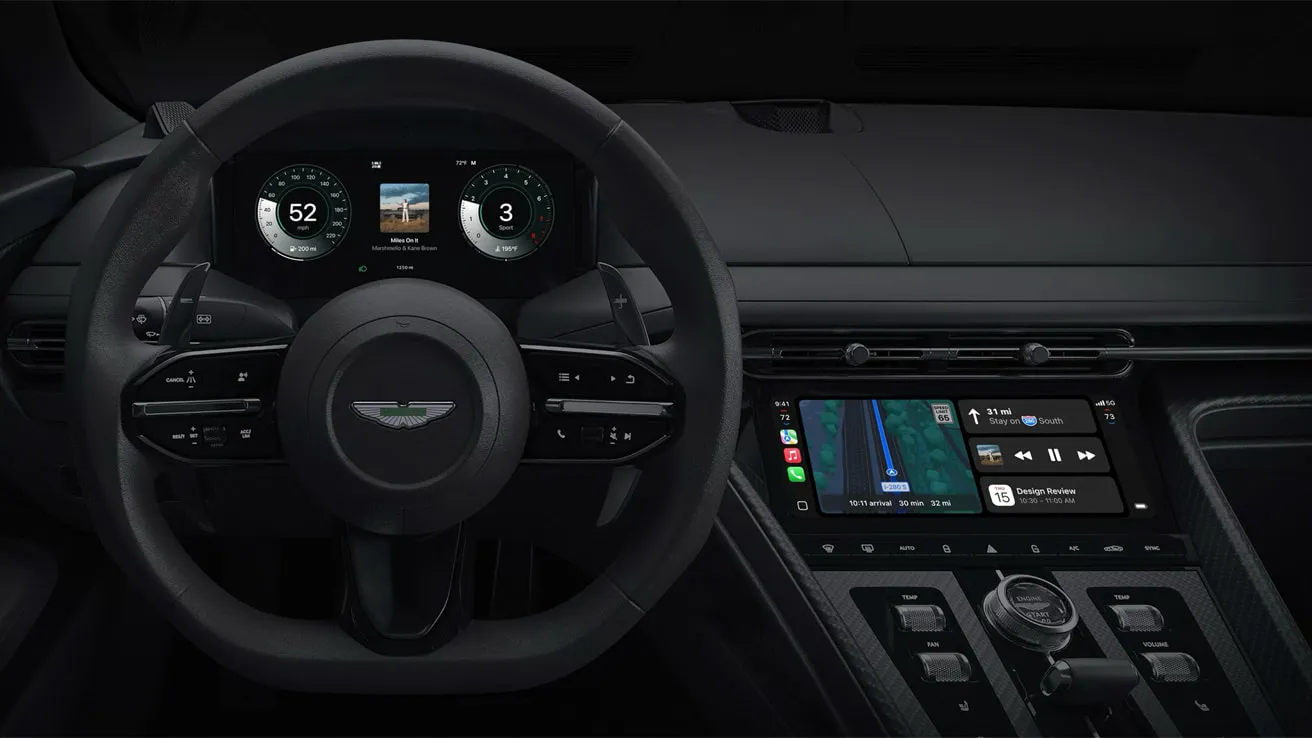
This change lays groundwork for deeper cross-device features that could transform how we think about music streaming ecosystems. The logical next steps would be true device handoff, remote control across phones and desktops, smarter integration with Android Auto and CarPlay, and queue continuity on smart displays.
YouTube Music has built momentum with personalized radios, improved recommendations, and live performance mixes. Making multi-device listening truly effortless would round out its core experience and help it better compete with the established players. The platform signals Google's continued investment in making YouTube Music a comprehensive streaming solution rather than just an add-on to YouTube Premium.
What's particularly strategic is how this positions YouTube Music within Google's broader ecosystem. The company has all the pieces—Android devices, Chromebooks, Google Home speakers, Android Auto integration—to create something genuinely compelling if they lean into ecosystem advantages rather than just matching competitor features.
The streaming music market has become intensely competitive, with services differentiating through user experience details rather than just catalog size. Features that were once considered premium additions have become basic requirements for modern streaming services, and users expect their music experience to be continuous and device-agnostic. This cross-device sync update represents more than just feature parity—it's YouTube Music acknowledging that seamless experiences aren't luxury features, they're essential infrastructure for how people actually consume media in 2025.
By addressing fundamental usability barriers like device switching friction, YouTube Music removes obstacles that might prevent users from fully embracing the platform as their primary streaming service rather than just a YouTube Premium bonus feature.


Comments
Be the first, drop a comment!