



What to Expect from Google I/O 2026: Dates, Gemini & Android 17
Google I/O 2026 runs May 19-20 at Shoreline Amphitheatre in Mountain View, California, with all keynotes and sessions streaming live at io.google. A week earlier, on May 12, Google streams The Android Show | I/O Edition, a separate consumer-focused event where Android announcements are expected to land before the developer conference begins. If you're trying to figure out what to expect from Google I/O 2026, the short answer is: AI infrastructure, Android 17, and a developer toolchain that Google wants to make very hard to leave.
Google I/O 2026 dates and livestream
The Google Keynote opens I/O on May 19 from 10:00-11:45 a.m. PT, followed by the Developer Keynote from 1:30-2:45 p.m. PT, per the published session list. Sessions continue into May 20. Everything streams at io.google; no ticket required to watch.
The Android Show | I/O Edition streams May 12 at 10 a.m. PT. 9to5Google reported late last month that Google is repeating the format it introduced last year, with consumer-facing Android announcements expected there rather than at I/O proper. Google's own (currently unlisted) YouTube description for the event teases that this will be "one of the biggest years for Android yet."
The split is deliberate: Android features for users on May 12, developer and platform sessions starting May 19. Google's save-the-date post confirmed the event will cover "AI breakthroughs and updates in products across the company, from Gemini to Android and more," alongside keynotes, product demos, and fireside chats.
Google I/O 2026 keynote expectations: Gemini, Android 17, and developer tools
The session list published in mid-April points to AI as the dominant theme. One confirmed session is explicitly framed around Google's "end-to-end AI stack," covering model capabilities across multimodal, media generation, and robotics, with a focus on building and deploying next-generation AI apps using Google's infrastructure, according to 9to5Google's session preview. That framing describes an AI-focused session block, not the entire conference lineup.
On the model side, Engadget expects news on Gemini model updates and confirmed that agentic coding is on the agenda. Engadget also floats the possibility of a Gemini 4 debut, updates to the Veo text-to-video model, and more on Project Astra, Google's work toward a persistent multimodal assistant. None of those specific products are confirmed on the schedule, and Engadget presents them as informed speculation rather than sourced leaks.
The Gemma open model family has a dedicated session covering new additions and deployment paths across cloud, desktop, and mobile, per the session list. Google's framing positions open model distribution as part of the same platform strategy, not a side track.
Product demos are confirmed for the event, per Google's save-the-date post. The most telling moments will probably come not from model announcements but from whether Google can show Gemini-powered agents completing real tasks. A credible demo of Astra-style contextual awareness would say more than any version number.
Android 17: what the OS sessions actually say
Android 17 coverage is all but certain at I/O, Engadget notes. The published session descriptions are already specific: performance improvements, new camera and media capabilities, expanded support for desktop and large-screen apps, and agentic automation, described as empowering users to get more done faster, per 9to5Google.
A confirmed session titled "Adaptive development for the expanding Android ecosystem" frames Android 17 as completing a move to an "Adaptive Everywhere" state, where a single platform spans phones, cars, living rooms, and immersive environments. Jetpack Compose is positioned as the UI layer across foldables, desktops, TVs, cars, and XR throughout that session's description. The real question is whether the demos show apps that genuinely adapt across form factors, or whether "Adaptive Everywhere" turns out to be a headline for incremental large-screen improvements.
On ChromeOS, Engadget reports that Google is working toward merging ChromeOS and Android, a project that has surfaced in leaks under the name Aluminium OS. Whether I/O addresses that formally remains unconfirmed.
One gap worth noting: there is no dedicated Android XR session on the published schedule, Engadget observes, even as session copy references Compose across XR environments. That could reflect a keynote surprise, a deferred priority, or simply a schedule that isn't finished yet. Google typically adds sessions closer to the event, and the full schedule often doesn't appear until after the main keynote, per 9to5Google.
Firebase, Android Studio, Flutter, and the developer toolchain
The developer sessions tell a consistent story across tools. Firebase is described in session copy as evolving into an "agent-native platform," with a confirmed path from AI prototyping through to production deployment on Google Cloud, including integrations with AI Studio and a tool called Antigravity for building full-stack applications, per the session list. The language around Firebase is worth watching closely. Calling something "agent-native" is easy; showing developers a clear path to shipping agents, with pricing and security guarantees, is harder.
Android Studio sessions will cover Gemini capabilities integrated directly into the development workflow. Google Play sessions are framed around distribution growth and business tooling. Flutter gets performance updates and a new "Flutter GenUI" capability for building adaptive, AI-generated interfaces dynamically, all confirmed in the session list. Chrome and web sessions round out the schedule, covering new browser capabilities and UI improvements.
Taken together, the session architecture describes one workflow: build with Gemini in Android Studio, handle backend deployment through Firebase on Google Cloud, distribute through Play, iterate across platforms with Flutter and Compose. Google is building toward making its own toolchain the default path for AI-native app development. Whether that argument lands will depend on whether the production story is as complete as the demo story.
What probably won't headline
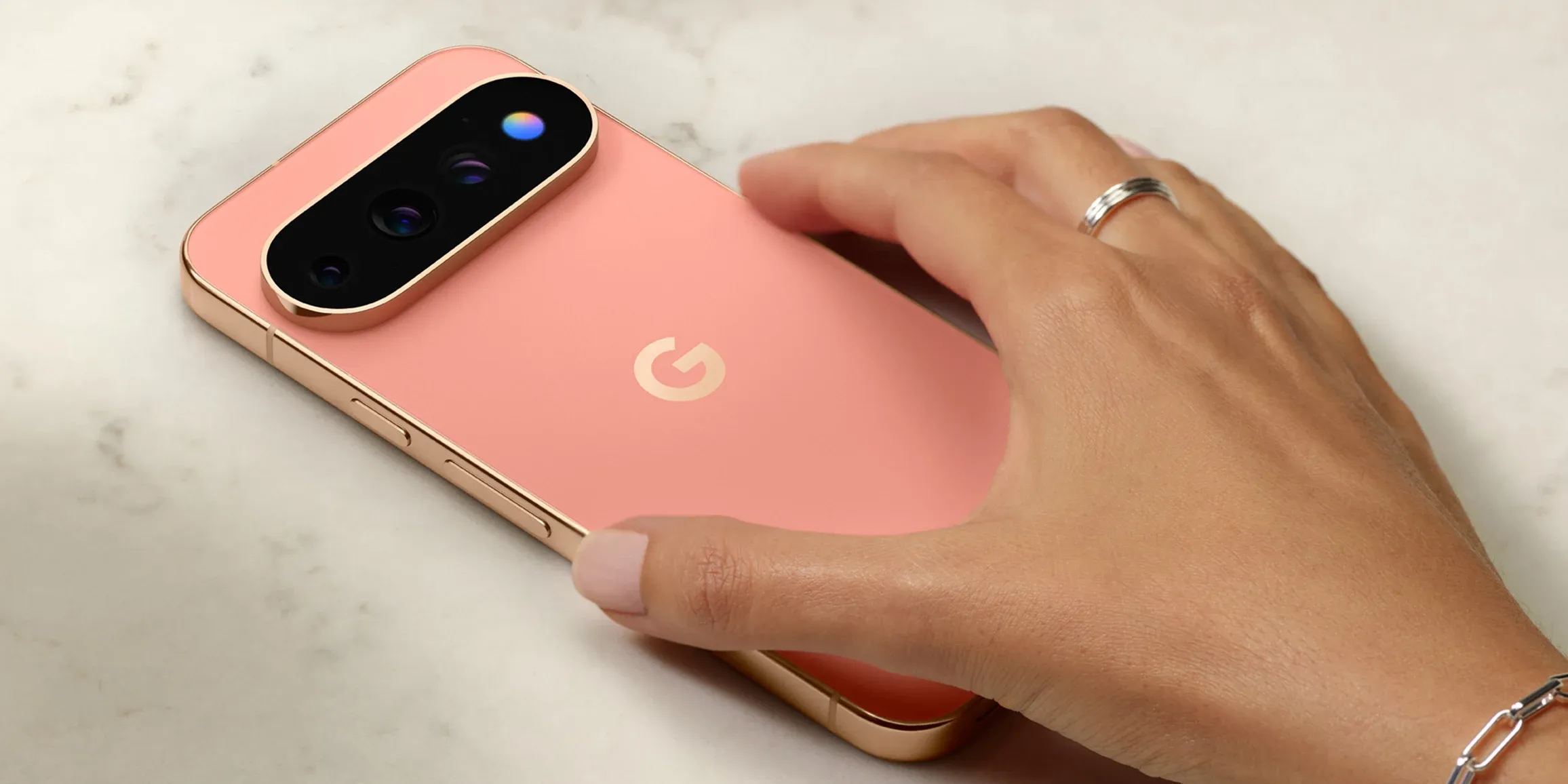
Hardware is a low-confidence story for I/O. Engadget flags a possible Pixel 11 tease, but notes Google has consistently saved major Pixel and Pixel Watch launches for a dedicated hardware event in August or October, timed well clear of Apple's September iPhone announcement. Engadget also mentions Google X projects and Beam 3D video conferencing as potential wildcards, but neither has any support in the published schedule.
How to watch and what would count as a real announcement
On May 12, The Android Show | I/O Edition is where to look for consumer-facing Android signals. On May 19, the Google Keynote at 10 a.m. PT carries the AI platform argument and any Gemini model reveals. The Developer Keynote at 1:30 p.m. PT is where Firebase, Android Studio, and the toolchain story gets pressure-tested with specifics.
The surprises worth watching for: a Gemini 4 announcement with concrete details rather than benchmark slides; a live Astra demo showing genuine persistent context across a real task; a formal statement on ChromeOS-Android unification with an actual timeline; or Android XR appearing in the keynote despite its current absence from the schedule. Any one of those would move the story beyond the session descriptions. None of them are confirmed. That's what makes the keynote worth watching.


Comments
Be the first, drop a comment!