



Wear OS 7 Live Updates Explained: Features, Battery & What's Unknown
Google announced at Google I/O yesterday that Wear OS 7 will bring Live Updates to smartwatches, letting status information like package deliveries, navigation, and sports scores surface on your wrist automatically. The update also introduces Wear Widgets, Android 17 design carryover, Gemini developer APIs, and a claimed 10 percent battery life improvement, according to The Verge and Engadget, both reporting yesterday.
The announcement wasn't a surprise. A year ago, 9to5Google reported that Google planned to bring Live Updates to phones and foldables in 2025, with wearable support explicitly scheduled for later in 2026. Wear OS 7 is the delivery on that schedule.
One thing Google has not specified: which watches will receive Wear OS 7, whether existing Wear OS 6 devices are eligible for an upgrade, or when the rollout begins. Those details were not disclosed at the announcement.
Wear OS 7 deliveries and sports scores: what changes day to day
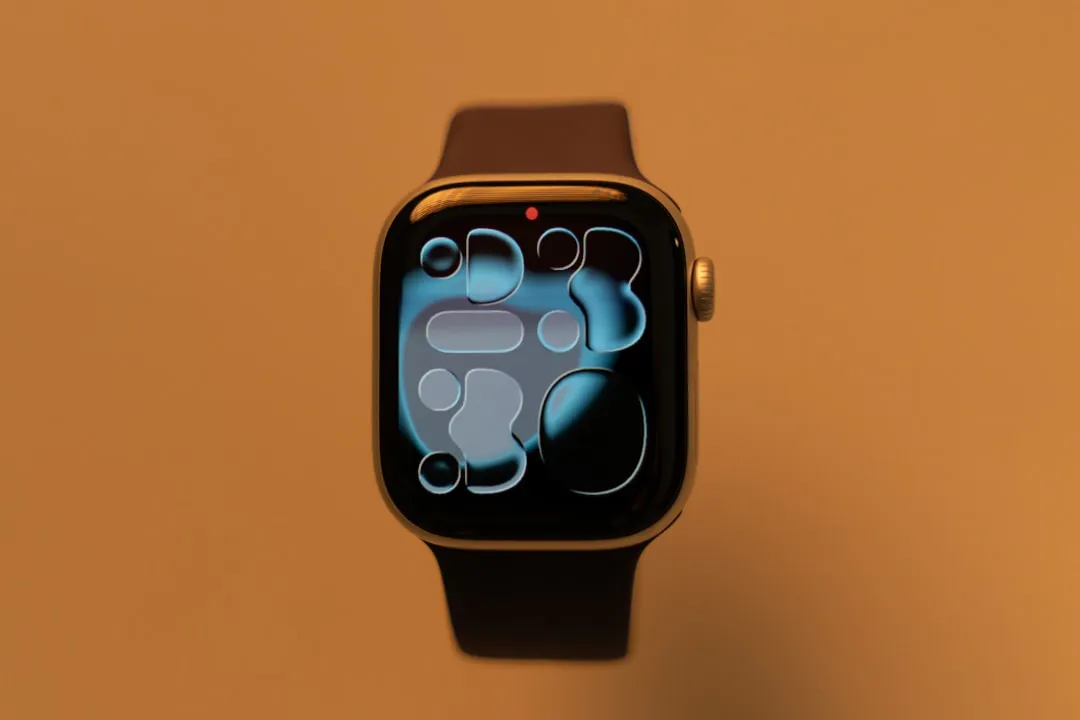
Today, getting a real-time delivery update or checking a live score on a Wear OS watch means pulling out a phone or navigating to an app. Wear OS 7 changes that default. Live Updates push status information directly to the watch and keep it visible, using the same persistent card format Android users have had on their phones since last year, according to The Verge.
When Live Updates launched on Android, the feature covered rideshare, delivery, and navigation, as 9to5Google noted a year ago. The Verge's current reporting adds sports scores to that list, suggesting Google expanded the intended scope between the initial announcement and this release, though the sourcing doesn't specify when that expansion happened.
A delivery countdown visible without a tap, or a live score updating passively during a commute, puts the watch in a different category than any app-based feature. Current reporting describes Live Updates as appearing on the watch or the smartphone. The exact on-watch surface, whether that's the watch face, a dedicated notification layer, or something else, isn't confirmed in available sourcing.
Wear Widgets on Wear OS 7 and the Android 17 design shift
Google is introducing a new widget format alongside Live Updates. Wear Widgets come in small and large layouts that align with Android's standard 2x1 and 2x2 grid dimensions, designed to sit flush with phone widget conventions, The Verge reported yesterday. The update also carries over interface design changes planned for Android 17, moving Wear OS visually closer to what Android users will see on their phones, according to Engadget.
Wear Widgets serve the same glanceable-surface goal as Live Updates. Rather than opening apps, users get structured information in familiar visual formats on their wrist. The design alignment with Android 17 means that experience is intended to feel coherent whether you're looking at a phone or a watch.
Standardizing widget dimensions across both platforms reduces the incremental work required to support Wear OS. A widget built for Android can translate to the watch without a full redesign, which removes a practical barrier for developers who have historically had limited reason to build watch-specific experiences. Current reporting doesn't yet identify which apps or partners are committed to Wear Widgets at launch.
Readers already familiar with Wear OS will reasonably ask how Wear Widgets differ from existing tiles and complications. That distinction isn't addressed in any available sourcing, and it's a gap worth watching as more details emerge.
Wear OS 7 battery life improvement: what Google actually claimed
Google is promising up to 10 percent better battery life for average users upgrading from Wear OS 6 to Wear OS 7, according to The Verge.
That claim lands alongside features that require continuous background processing: Live Updates, persistent widgets, and AI task tracking. Without an efficiency improvement, the obvious concern is that more passive activity eats into battery life. Google is signaling those costs are offset, at least in part.
"Up to 10 percent" for "average users" carries qualifications that deserve acknowledgment. No benchmark methodology has been published, and whether the figure applies across the range of chipsets and watch manufacturers shipping Wear OS isn't specified. Treat it as a promising signal, not a confirmed specification.
The Gemini layer: what developers can build
Wear OS 7 includes an AppFunctions API that lets developers connect app features to Google's Gemini assistant, enabling actions like placing a food delivery order directly from the watch, Engadget reported yesterday. Users will also be able to monitor the progress of automated tasks Gemini is handling, surfaced directly on the watch, according to The Verge.
Where Live Updates and Wear Widgets position the watch as a passive information surface, the Gemini APIs add a lightweight action layer. The watch wouldn't just show you what's happening; it could participate in it. That's the direction Google is building toward, at least based on what the APIs are designed to enable.
At this stage, it's primarily developer infrastructure. The food delivery example is illustrative. The APIs are confirmed; what gets built on them is an open question. This is groundwork.
What's confirmed, what's still open
Confirmed at announcement:
- Live Updates coming to Wear OS 7 covering deliveries, navigation, and sports scores
- Wear Widgets in two layout sizes aligned with Android conventions
- Android 17 design carryover
- AppFunctions API for Gemini integration
- Up to 10 percent battery improvement claim for users upgrading from Wear OS 6
Sources: The Verge and Engadget, both yesterday.
Not yet answered:
- Which watches will receive Wear OS 7 and on what timeline
- Whether existing Wear OS 6 devices are eligible for an upgrade or only new hardware will support the full feature set
- Which third-party apps are committed to Live Updates at launch
- How the 10 percent battery figure was measured and whether it applies across different chipsets and manufacturers
Across two consecutive I/O announcements, Google has described the same general architecture: glanceable surfaces, a shared widget language with Android, AI task visibility on the wrist. The features announced yesterday match what was outlined a year ago. Whether any of it becomes useful in daily life depends on developer adoption and rollout reach, neither of which is defined yet. That's what this release will ultimately be judged on.

Comments
Be the first, drop a comment!