



T-Mobile customers who've been quietly enjoying one of the last remaining sweet deals in cloud storage are about to face a rude awakening. The carrier just dropped some major news that's forcing thousands of subscribers to make critical decisions about their digital lives—and there's not much time to figure it out.
Here's what's happening: T-Mobile is pulling the plug on its Google One partnership entirely. According to Droid Life, the carrier is terminating its Google One billing arrangement on March 31, 2026. This isn't just a simple billing change—it's the end of a unique setup that started back in 2022.
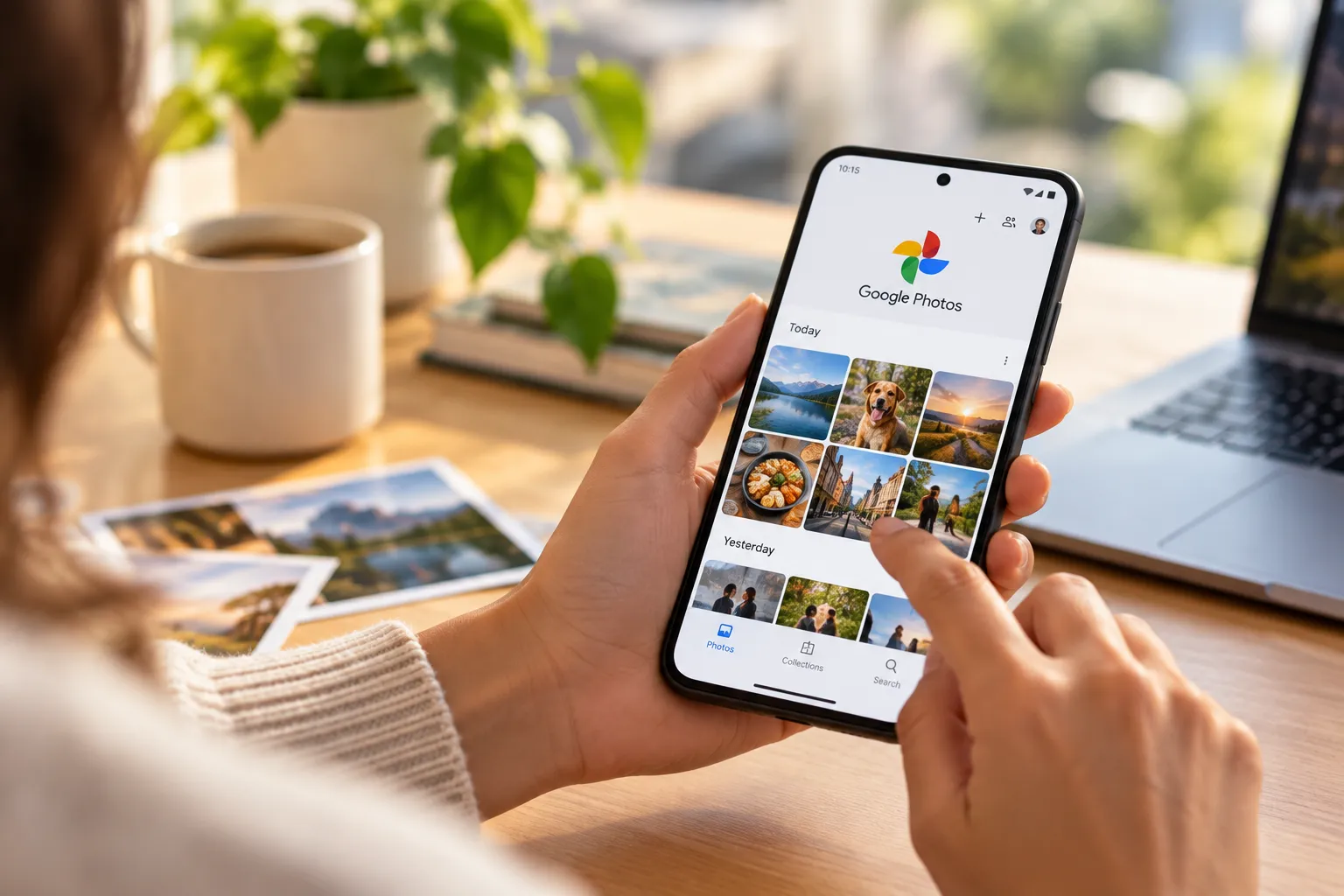
The partnership offered three distinct tiers that you couldn't get anywhere else: a 500GB option, a standard 2TB plan, and a special 2TB plan that came with unlimited Google Photos storage, as reported by Android Headlines. That unlimited photos feature was particularly valuable at just $15 monthly, representing the final way to get unlimited Google Photos storage after Google discontinued the feature for most users. According to Android Authority, this was literally the last remaining option for unlimited photo backup.
Now, if you're currently using any of these plans, you've got until March 31 to make a move, or things are going to get complicated fast. T-Mobile isn't offering extensions or grace periods—they're washing their hands of the whole arrangement and pushing everyone toward Google's direct billing system.
The March 31 deadline: what happens if you don't act
Let's break down what this deadline actually means for your digital life. T-Mobile customers must transfer their subscriptions to Google billing before March 31 to maintain uninterrupted access, warns Android Authority. Miss that deadline, and you're looking at service interruptions and potential data access issues until you complete the transfer process.
The consequences extend far beyond losing cloud storage space. This affects Gmail functionality too, since Google's 15GB free tier is shared across email, Drive, and Photos combined, according to Android Headlines. Most people don't realize it's all one big storage bucket.
If you've been living comfortably with 500GB or 2TB of storage, you've probably gotten used to never worrying about space. You take photos liberally, save email attachments without thinking twice, and maybe even use Google Drive as your primary file storage. When March 31 hits and you haven't transferred, all of that changes instantly.
Customers who choose not to transfer will see their storage revert to Google's standard 15GB free allowance, reports Android Headlines. For most people who've been enjoying hundreds of gigabytes or terabytes of storage, this represents a dramatic reduction. Once you hit that 15GB limit, you can't send or receive emails, upload new photos, or create new documents until you either clear space or purchase additional storage, according to Android Authority.
Google's Help Center confirms this interconnected reality: when you run out of storage, email delivery stops and photo backups halt entirely, as noted by Find Articles. Imagine missing critical work emails because your Google Photos backup filled your storage quota—that's the kind of cascading problem we're talking about here.
Your storage options after the transition
The transition creates different scenarios depending on your current plan, and unfortunately, not all of them have clean solutions. Customers with standard 500GB or 2TB plans can continue with equivalent Google One subscriptions, though they'll lose the convenience of T-Mobile billing, reports Droid Life.
Here's where it gets tricky: Google doesn't actually offer a 500GB tier in their direct offerings. If you're currently on T-Mobile's 500GB plan, you'll need to choose between a 200GB plan at $3 monthly or upgrading to 2TB for $10 monthly, according to Find Articles. That's either a step down requiring some storage cleanup, or a significant step up with much more capacity than you might need.
The biggest impact hits customers who've been enjoying that premium 2TB plus unlimited photos plan. That feature simply doesn't exist in Google's current lineup, notes Android Headlines. These users must select from standard Google One options, and none include that unlimited photo backup perk that made the T-Mobile partnership so special.
This represents a significant loss. That unlimited photos feature was basically the last vestige of Google's original promise of unlimited photo storage. When Google ended free unlimited photo storage for most users back in 2021, the T-Mobile partnership kept that dream alive for a select group—now it's gone for good.
Google's current offerings include a 200GB Standard Plan for $3 monthly and a 2TB Premium Plan at $10 monthly that includes 10% back on Google Store purchases, details Android Headlines. For users wanting AI features alongside storage, there's an AI Pro Plan at $20 monthly with 2TB storage and advanced AI capabilities, plus an AI Ultra tier at $250 monthly with 30TB storage for enterprise users, according to the same source.
The transition process involves visiting the Google One website, signing in with your T-Mobile-linked Google account, and following prompts to establish Google billing while selecting an appropriate plan, explains Find Articles. Google will recommend storage tiers based on your current usage patterns, eliminating guesswork in plan selection.
Steps to protect your photos and data
The most critical action is completing the transfer process before March 31 to avoid service disruption. Start by visiting the Google One website or app and signing in with the Google account connected to your T-Mobile subscription. Follow the transfer prompts to establish Google billing, advises Find Articles. Make sure your Google account has a valid payment method before initiating the transfer to prevent complications.
If you manage multiple lines on your T-Mobile account, remember that each Google account holder needs to complete their own individual transfer, notes Find Articles. This isn't something you can handle once for the entire family—everyone needs to complete their own transition.
Before making the switch, audit your current storage usage to optimize your plan selection and potentially reduce costs. Use Google's Storage Manager to identify and delete large files, email attachments, and duplicate or blurry photos that consume unnecessary space, suggests Find Articles.
PRO TIP: For Gmail cleanup specifically, search for emails with large attachments using "has:attachment larger:10MB" to find space-consuming messages, according to How to Geek. You'll probably find old email attachments you completely forgot about—presentation files, high-res images, or video files just sitting there taking up valuable space.
Consider using Google Takeout to create local backups of critical files and photos during the transition period, providing an additional safety net for your most important data, recommends Find Articles. This gives you insurance while everything gets sorted out with the new billing arrangement.
For those currently enjoying the 2TB plan with unlimited photos, pay special attention to your Photos library. If it has grown substantially under that unlimited benefit, use Google's Storage Manager to clear duplicates and large files, or consider stepping up to a higher-capacity tier to preserve backups without disruption, advises Find Articles.
Don't forget about family sharing either. If you share storage with family members, confirm your family group settings after the switch so everyone maintains access, notes Find Articles. Google One supports family sharing with up to five additional people, which can make larger tiers more cost-effective when splitting costs among multiple users.
The end of an era for carrier perks
What's happening here reflects broader industry trends as carriers streamline their service offerings. T-Mobile's decision aligns with a strategy to consolidate billing and support under individual service providers rather than managing complex cost-sharing arrangements with third parties, notes Android Police. It's actually simpler from a business perspective, even if it creates short-term complexity for customers.
The carrier has been gradually phasing out some of the extra perks that defined its "Un-carrier" era under new leadership, including recent changes to other subscription benefits, according to the same source. Remember when they started charging for Apple TV access that used to be free? That pattern of monetizing previously free perks reflects this broader strategic shift.
This transition also eliminates the absolutely final option for unlimited Google Photos storage, marking the definitive end of an era that began when Google discontinued free unlimited photo storage for most users in 2021, reports 9to5Google. We're witnessing the close of a unique chapter in cloud storage history.
The scale of this change shouldn't be underestimated. Google One has surpassed 100 million subscribers globally, with T-Mobile serving as a major gateway for consumers to discover these cloud storage services, according to Find Articles. That represents millions of people who need to make decisions about their digital storage strategy.
Moving forward, customers will work directly with Google for billing, support, and future plan changes. This might actually offer more direct access to Google's evolving storage and AI features, notes the same source. While this transition requires immediate action from affected customers, it ultimately simplifies the relationship between users and their cloud storage provider, potentially leading to more consistent service and clearer upgrade paths in the future, concludes Find Articles.
The key takeaway is simple: if you're affected by this change, don't procrastinate. Complete the transfer process, optimize your storage setup while you're at it, and prepare for a post-carrier-perk world where cloud storage decisions are entirely between you and the service provider.









Comments
Be the first, drop a comment!