



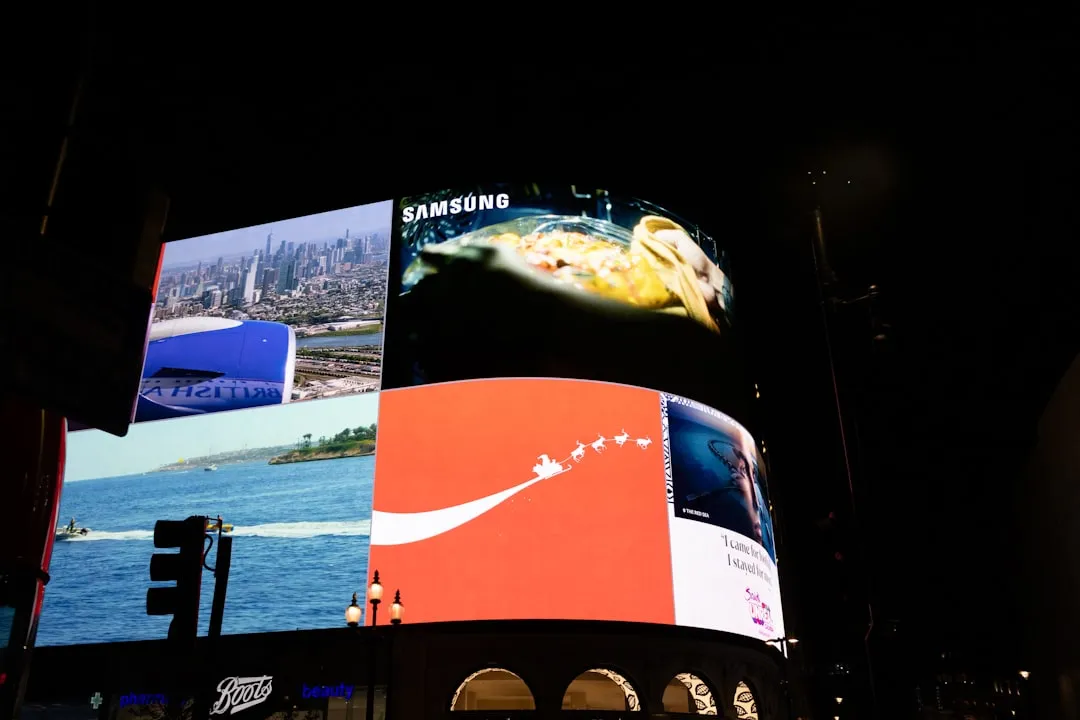
Samsung is about to revolutionize how we share memories in the living room. The company is set to become the first TV manufacturer to bring Google Photos directly to the big screen, addressing a long-standing gap where Google's photo service has been everywhere except the biggest screen in your home. While the service works seamlessly across smartphones, tablets, and computers, television access has remained frustratingly limited to casting from mobile devices.
The collaboration, announced ahead of CES 2026, will integrate Google's photo service natively into Samsung's TizenOS platform. Here's what makes this particularly fascinating: Samsung TVs will soon offer better Google Photos access than Google's own Android TV and Google TV platforms, which still lack a proper standalone Photos app – creating an ironic situation where a competitor delivers Google's service more effectively than Google itself.
Why Samsung won the Google Photos partnership race
This partnership represents more than just another app integration – it's a strategic alignment that addresses real user frustration. Samsung gets to offer a feature that Apple TV already provides through iCloud Photos, while Google finally gets its photo service onto television screens in a meaningful way. The collaboration will launch curated memories organized by people, places, and moments directly on Samsung's big screens.
What's particularly telling about Google's commitment to this partnership is the exclusivity timeline. Memories available beginning March 2026 to Samsung TVs for six months, giving Samsung users a significant advantage over other platforms. But the real differentiator goes beyond basic photo viewing – Samsung televisions will receive select creative AI templates via the 'Create with AI' feature that Samsung says will be available exclusively on Samsung TVs.
This exclusivity suggests Google sees Samsung as more than just another partner – they're treating them as a premium testing ground for TV-optimized photo experiences. For Samsung, it's a powerful way to differentiate their smart TV platform in an increasingly crowded market where most manufacturers offer similar streaming capabilities.
Google's Android TV blind spot becomes glaringly obvious
Now here's where Google's strategy gets puzzling. While Samsung prepares to offer premium Google Photos integration, Android TV lacks a standalone Google Photos app, despite being Google's own television platform. This creates an awkward reality where Google's photo service will work better on a competitor's operating system than on their own.
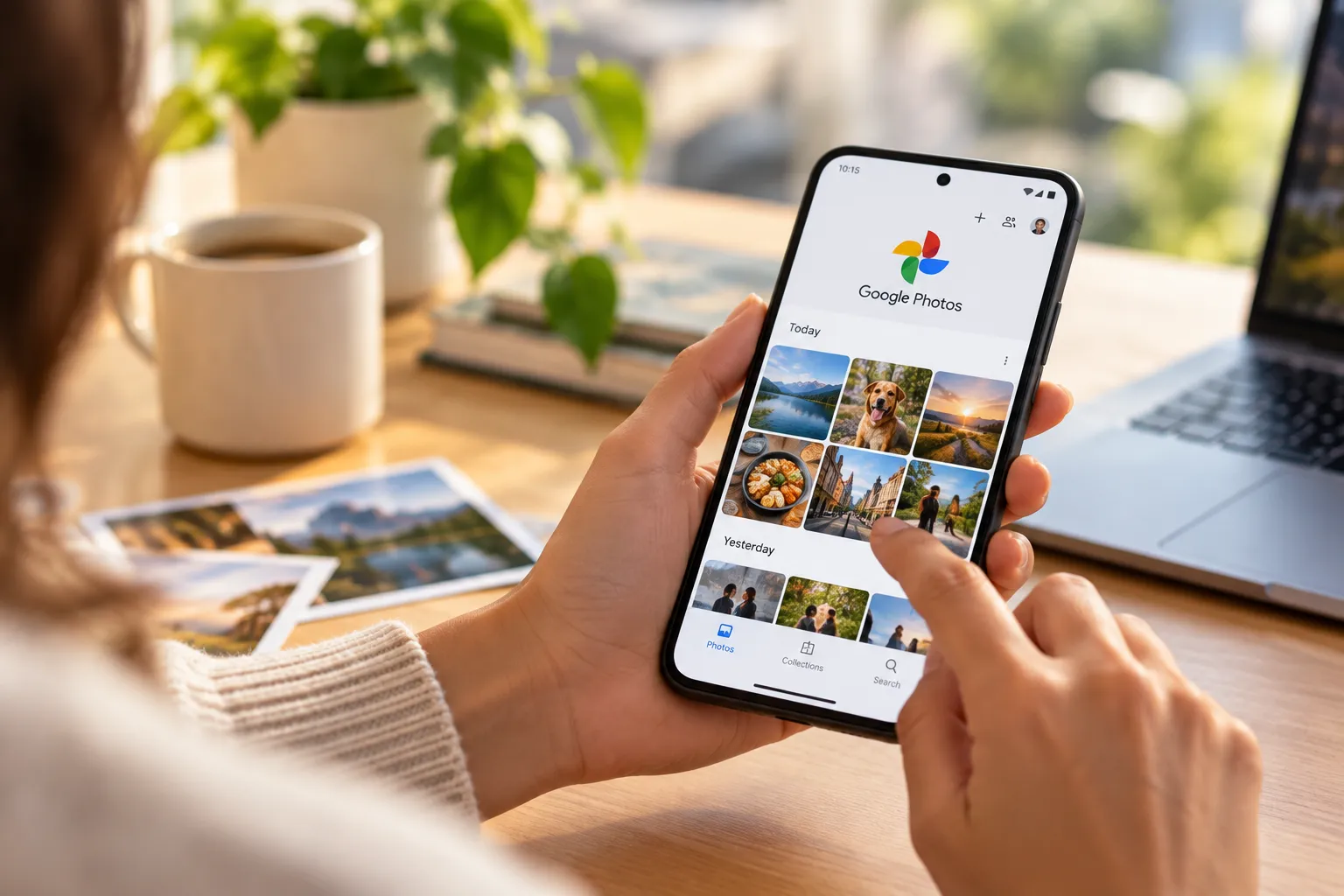
The irony deepens when you consider Google's massive AI investment in Photos. The service has been rapidly expanding its capabilities with new features like Nano Banana image restyling and enhanced Ask Photos functionality rolling out across mobile platforms. Google Photos now offers AI-powered templates for creating professional headshots and holiday cards, along with voice-controlled editing tools that would translate beautifully to TV interfaces with Google Assistant integration.
Yet Android TV users remain locked out of these innovations entirely. Those brave enough to attempt workarounds face poor user experiences with limited functionality and interface problems, with navigation tabs being completely inaccessible using a TV remote. It raises a fundamental question: why would Google prioritize Samsung's platform over their own when they're simultaneously pushing AI as the future of photo management?
The Samsung experience promises to change everything
Samsung TV owners are about to get something the rest of the TV ecosystem can only dream of – a native Google Photos experience that goes far beyond simple photo viewing. The integration will include personalized results that enable users to view related photos as slideshows based on topics or memory contents, arriving in the second half of 2026.
The rollout strategy shows Samsung's commitment to broad accessibility. The service will debut on Samsung TVs launching in 2026 and roll out to select existing TVs through software updates later in the year. This means you won't necessarily need to upgrade your hardware to access the feature, though Samsung will likely prioritize their newer models for the initial wave.
What makes this integration particularly compelling is how it eliminates the need for users to cast photos and videos through Google Photos to their TV, creating a truly seamless viewing experience. Instead of juggling phones during family gatherings or fumbling with casting connections, users will be able to browse their entire photo library, complete with Google's AI-powered curation and search capabilities, directly from their TV interface.
The curated memories feature should mirror what users love about the mobile experience – automatically organizing photos into meaningful collections based on events, trips, and people. It's the kind of big-screen photo experience that's been missing from the smart TV ecosystem since these devices became mainstream.
What this reveals about Google's TV platform strategy
This partnership exposes some uncomfortable truths about Google's approach to their television platforms. Google TV is described as an updated version of Android TV with more features and better user experience, yet it continues to lack native integration with one of Google's most popular consumer services.
The strategic disconnect becomes even more apparent when you consider that Google TV focuses on content discovery and integration with Google services. The platform seamlessly integrates YouTube, Google Assistant, and other Google services, making the Photos absence feel like a significant oversight rather than a deliberate choice.
What we're witnessing suggests Google may be treating Android TV as a legacy platform while investing more heavily in strategic partnerships with major manufacturers. This approach might make business sense – Samsung's global TV market share likely dwarfs Google's streaming device presence – but it creates confusion for consumers trying to understand which Google platform offers the best experience.
The situation also highlights how platform partnerships can sometimes deliver better results than in-house development. Samsung's TizenOS will soon offer superior Google Photos integration compared to platforms that Google directly controls, demonstrating that strategic collaboration can trump ecosystem ownership.
The broader implications for smart TV ecosystems
This Samsung-Google partnership signals a fundamental shift in how technology companies approach cross-platform integration. Rather than keeping premium services locked within their own ecosystems, we're seeing more strategic partnerships that prioritize user experience over platform exclusivity.
The success of this integration could establish a new template for the industry. If Samsung users respond positively to native Google Photos access, we might see Google pursue similar deals with LG, Sony, and other major TV brands. This could eventually create a more unified photo viewing experience across different smart TV platforms, regardless of the underlying operating system.
However, the continued absence of Google Photos on Google's own TV platforms represents more than just a missed opportunity – it suggests a company still figuring out how to balance direct platform control with strategic partnerships. Google's recent focus on AI-powered features like Ask Photos and advanced editing tools would translate perfectly to the TV experience, especially with voice control through Google Assistant.
The bottom line is that Samsung TV users are about to enjoy the best Google Photos experience available on any television, while owners of Google's own TV platforms continue waiting for basic integration. It's a situation that perfectly captures how complex modern tech partnerships can sometimes deliver better consumer outcomes than traditional in-house development, even when it creates awkward competitive dynamics.
For consumers, this partnership represents a significant win – finally bringing one of our most personal and important services to the biggest screen in our homes. For the industry, it's a fascinating case study in how strategic partnerships can sometimes outpace platform ownership in delivering meaningful innovation.




Comments
Be the first, drop a comment!