



The year 2025 was packed with impressive Android releases, but which brand truly delivered the best smartphones? Recent surveys and expert reviews paint a fascinating picture of how different manufacturers performed, revealing some surprising winners and disappointing setbacks. With Android commanding a dominant global market position—holding approximately 72% of the smartphone market and serving over 3 billion active devices—the competition among Android phone makers has never been fiercer. Understanding which brands excelled in 2025 helps us see where the Android ecosystem is heading and what consumers value most in their devices.
Samsung leads the pack with premium innovation
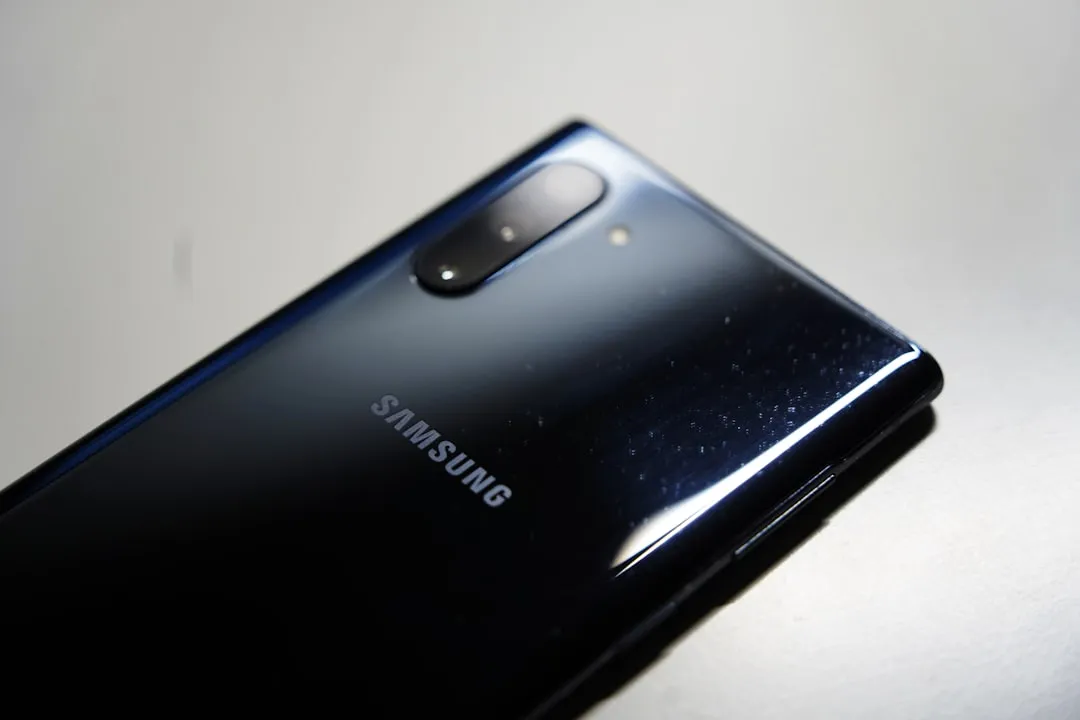
When you look at the numbers from 2025, Samsung's dominance becomes crystal clear. The South Korean giant captured an impressive 54.81% market share among Android device brands by the end of November, making it the undisputed leader in the Android space. But market share only tells part of the story—what really matters is how consumers and reviewers actually felt about Samsung's phones.
The Galaxy S25 Ultra particularly stood out as Samsung's crown jewel, claiming the top spot in Consumer Reports' smartphone rankings by year's end. Consumer Reports' methodology focuses on performance, camera quality, battery life, and more than a dozen other factors, making their evaluation particularly rigorous for real-world usage scenarios. What made Samsung's 2025 lineup so compelling was their laser focus on AI integration. The Galaxy S25 series delivered personalized assistant capabilities with voice-activated search and Circle to Search, turning these phones into genuinely smart companions rather than just powerful computers.
The technical prowess behind the S25 Ultra impressed even the toughest reviewers. Samsung equipped it with a customized Snapdragon 8 Elite processor with ProScaler technology that improves image quality by up to 40%. Consumer Reports specifically praised its performance, visual display, and physical durability, hitting all the marks that matter most to users who actually live with these devices day after day.
Samsung didn't rest on its laurels with just the traditional slab phone either. Their foldable offerings—the Galaxy Z Fold7 and Z Flip7—both launched successfully in July 2025, proving that their AI-first approach extended beyond conventional form factors to shape the future of mobile computing. Here's what's really remarkable though: in customer satisfaction surveys, Samsung even topped U.S. smartphone satisfaction with a score of 82, just ahead of Apple at 81. This achievement is significant because it shows Samsung overcame Apple's historically strong customer loyalty metrics built over years of ecosystem lock-in and premium brand positioning.
Google's Pixel gains serious momentum
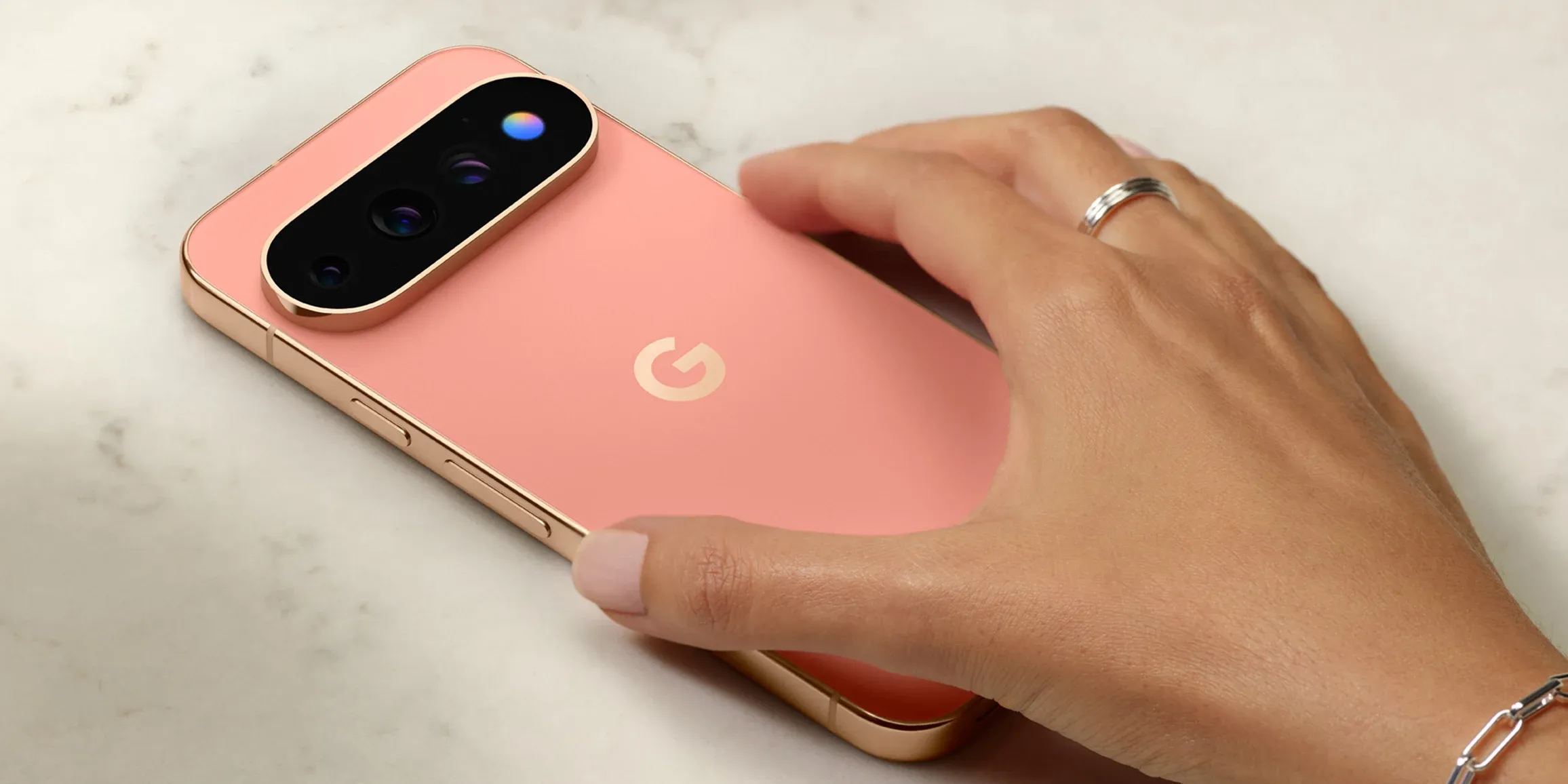
Google secured a solid second place with 14.58% market share, and honestly, this might be the most significant story of 2025. For years, Google's Pixel phones struggled with hardware limitations and limited carrier availability that prevented broader consumer adoption despite critical acclaim.
The Pixel 10 series became a breakout hit for Google in the US, driven by significant AI advancements and genuinely improved hardware. Google's strategy focused on making AI accessible to everyone, with the Pixel 10 having incredible on-device AI processing that allows many features to run locally. This local processing breakthrough meant faster responses, better privacy protection, and AI features that work reliably even during poor network conditions—addressing the practical barriers that previously limited AI adoption.
The company's camera leadership continued with some genuinely innovative features. They introduced a Gemini-powered assistant that teaches photography rules in real time and locally processed AI-enhanced zoom that makes distant subjects look surprisingly sharp and detailed. But Google went beyond just camera tricks—they launched Magic Cue, which suggests helpful actions by connecting dots across apps like Gmail, Calendar, and Messages. It's the kind of cross-app intelligence that transforms scattered digital activities into a cohesive, proactive experience.
The pricing strategy also made sense for once. The mid-range Pixel 9a, released in April 2025, provided excellent value at $499, while the flagship Pixel 10 Pro launched in August with photography-focused enhancements that justified its premium positioning. This two-tier approach finally gave Google the market coverage needed to compete effectively across different consumer segments, rather than just appealing to photography enthusiasts and Android purists.
OnePlus surprises as the enthusiast favorite
Here's where 2025 gets really interesting. OnePlus, a brand that had lost its way with confusing product lineups and diluted brand identity in recent years, achieved a remarkable comeback that caught many industry watchers by surprise. Android Central crowning the OnePlus 15 as the Best Android phone of the past year wasn't something anyone saw coming at the start of 2025.
The OnePlus 15 impressed reviewers with incredible processor performance, great battery life, and super-fast charging, plus a fantastic camera system. But what really made this phone special was how OnePlus properly redefined what "Never Settle" means after years of compromising its core values through carrier partnerships and mainstream market chasing that alienated original fans.
The OnePlus 15's success demonstrated that the brand had returned to its enthusiast roots while delivering flagship-quality experiences across the board. This wasn't just about having the fastest processor or the most RAM—it was about creating a cohesive experience that reminded people why they fell in love with OnePlus in the first place. The phone's combination of cutting-edge performance, refined software, and competitive pricing resonated strongly with both reviewers and consumers, proving that OnePlus could compete effectively against Samsung and Google's premium offerings by staying true to its performance-first philosophy rather than trying to be everything to everyone.
What's particularly impressive is how OnePlus managed to balance flagship features with their traditional focus on speed and efficiency. The charging speeds remained industry-leading, the software stayed relatively clean and fast, and the build quality felt premium without being ostentatious.
Asian brands deliver impressive camera innovations
While the big three dominated headlines, several Asian manufacturers made significant strides in 2025, particularly in camera technology where innovation continues to push boundaries. Vivo earned recognition as a favorite Android brand due to delivering the best cameras over the last two years, and their 2025 efforts solidified this reputation by focusing specifically on computational photography advances that appeal to social media-savvy users.
The Vivo X300 Pro was recommended as the best camera phone available, which is high praise in a year filled with impressive camera phones. Vivo succeeded across multiple segments too, with devices like the V50, V60, and the foldable X Fold 5 showing that they weren't just one-trick ponies focused solely on premium devices.
Redmi claimed third place with 10.54% market share, demonstrating Xiaomi's continued strength in value-focused segments. This success particularly resonated in 2025's market conditions where economic uncertainty made consumers more price-conscious, even as they demanded flagship-level features—exactly the value proposition Redmi has perfected over years.
Other notable performers included realme, which ended the year on a high with the realme GT8 Pro, and OPPO, whose Find X8 Ultra was ranked at the top of DXOMARK's 2025 camera list. However, Most brands are clustered below double digits; the market remains concentrated among the top vendors, highlighting just how concentrated success became among the top players.
This market concentration reflects the reality that building great smartphones requires massive R&D investments, global supply chains, and marketing budgets that smaller brands simply can't match consistently. The brands that succeeded in 2025 were those that found clear niches—like Vivo's camera expertise translating directly into social media appeal, or Redmi's value engineering meeting heightened price sensitivity during economic uncertainty.
What made 2025 a defining year for Android
Looking back at 2025's Android landscape, several key trends emerged that shaped which brands succeeded and which struggled to gain traction. AI integration became absolutely crucial, with Samsung and Google leading the charge in practical AI implementations that solved real user problems rather than just demonstrating technical capabilities—like Samsung's ProScaler improving image quality by 40% or Google's on-device processing enabling reliable offline functionality.
Camera technology remained a major differentiator, which explains Vivo's strong performance and Google's continued Pixel success. But it wasn't just about megapixels or zoom ranges—consumers responded to cameras that made them better photographers through intelligent assistance and computational photography advances, particularly features that enhanced social media content creation.
The numbers tell an impressive story about the broader market too. The global smartphone market reached $585.63 billion in 2025, with Android retaining roughly a 72% share of the mobile OS market (≈3.3 billion active devices). This massive scale created opportunities for multiple brands to find success, but also intensified competition at every price level.
Consumer preferences in 2025 clearly favored brands that delivered practical innovation over flashy marketing promises. Samsung's comprehensive ecosystem approach worked because it offered seamless integration across devices and services that actually enhanced daily workflows. Google's AI-first strategy resonated because it solved real problems like photo organization and cross-app task management rather than just showing off technical capabilities. OnePlus's return to enthusiast-focused design succeeded because it delivered on the fundamental promise of flagship performance without the complexity and bloatware that frustrated power users.
The year proved that success in the Android space requires more than just competitive hardware specifications or the latest processor. It demands a clear vision for how smartphones fit into users' daily lives, consistent execution across software and hardware, and a commitment to delivering on promises consistently over time. The brands that understood this—and could execute on it at scale—thrived in 2025, while those that didn't found themselves struggling for relevance in an increasingly sophisticated and competitive market.







Comments
Be the first, drop a comment!