






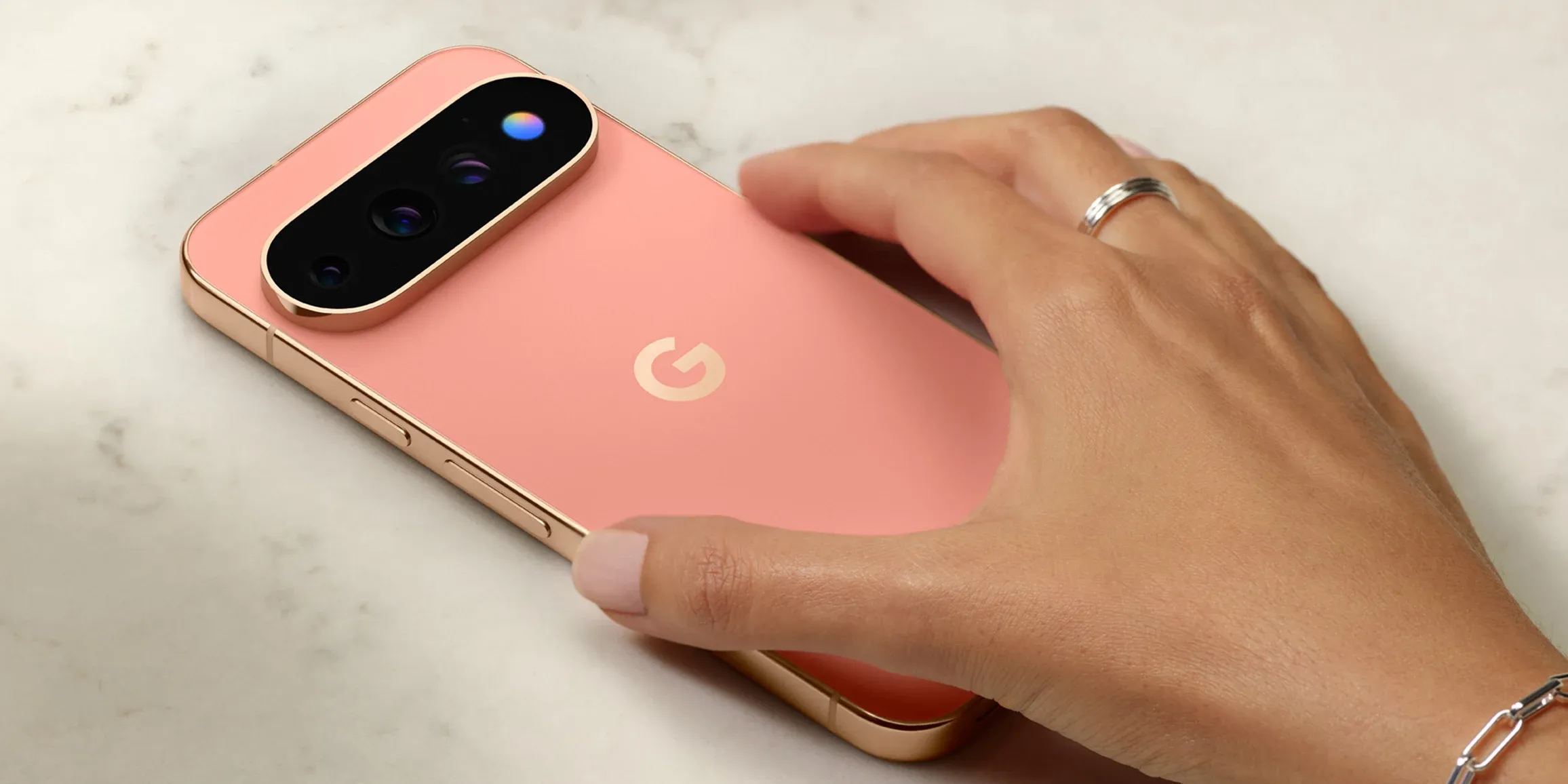
Google may be testing location as a new signal for Pixel Launcher app suggestions. Android Authority spotted interface text yesterday that swaps "routines" for "location" in the wording Pixel Launcher uses to describe why certain apps surface on the home screen or in the app drawer. Nothing beyond that text has turned up, so this reads as an early signal, not a confirmed feature.
Pixel Launcher has recommended apps based on usage and routines since Android 11. Android Authority says it hadn't previously seen anything suggesting location data was used for these recommendations. That's the backdrop for what follows: what the new wording actually changes, why it tracks with a separate Google feature already testing location-based predictions, and what to check before assuming anything is different on your phone today.
How Pixel Launcher app suggestions work today
Scroll through the row of suggested apps on a Pixel home screen, or open the app drawer, and three signals decide what shows up: apps used recently, apps used most often, and apps tied to routines. Those are the three factors the settings screen currently lists. No location data has shown up in any prior description of how the feature works.
The system itself isn't new. Google built it into Android 11, and it has carried forward largely unchanged since. That history matters because it sets the baseline for what the newly spotted wording would actually change, assuming it ships at all.
What the Pixel Launcher location clue actually shows
Here's the detail worth paying attention to: the refreshed text doesn't add location as a fourth factor alongside usage and routines. It appears to replace "routines" outright. If that holds, Google may be reworking how the suggestion engine frames its own logic, not simply bolting a new input onto the old one. Whether routines data disappears entirely or just gets folded into a broader "location" label isn't something the text clarifies.
What hasn't turned up is any back-end work to match the wording. Android Authority found only the changed description and says it hasn't seen corresponding back-end work that would actually alter how suggestions are generated. Changelog and interface text often shift ahead of a feature actually shipping in Android development, so wording alone doesn't mean a feature is built, tested, or close to a public rollout.
So what does this not prove? It doesn't confirm a shipping feature, a timeline, or which Pixel models or Android versions would get it first. It doesn't even settle whether routines-based suggestions are being phased out or just renamed. Until Google ships a build that behaves differently, or publishes a support page describing the change, this stays unconfirmed.
Google's Contextual suggestions feature offers a preview
The idea of location-aware predictions isn't coming out of nowhere for Google. A separate system called Contextual suggestions already does something close to this, and it's worth understanding because it shows what a location-based suggestion engine from Google looks like once it actually ships. Android Authority has described Contextual suggestions as a more expansive successor to Android's older App Actions system, pulling cues from across apps rather than tying predictions to a single one.
When 9to5Google and Android Police reported on Contextual suggestions earlier this year, the feature used on-device AI to study routine activities and locations, then surfaced predictions it judged useful. Google's examples included a music app offering up a workout playlist upon arrival at the gym, or a phone prompting a cast to the living room TV on a Saturday, according to both outlets.
At the time of those reports, Contextual suggestions was rolling out to Pixel 10 series phones, including the Pixel 10a, running Android 16 with a stable build of Google Play services. Both outlets noted the feature wasn't appearing on older Pixel models or phones running the Android 17 beta at that point. Whether that availability picture has shifted since hasn't been independently confirmed, so treat that device list as a snapshot from earlier this year rather than where things necessarily stand now.
However, none of this proves Pixel Launcher pulls from the same engine. The overlap in language, location and routines showing up in both places, makes a connection plausible, though no source has confirmed a technical link between the two systems.
Privacy and controls tied to Contextual suggestions
Contextual suggestions comes with documented privacy controls worth knowing regardless of what happens with Pixel Launcher. Data collected for the feature stays in an encrypted space on the device and isn't shared with other apps or with Google unless a user grants permission elsewhere. Apps can act on the predictions it generates but can't see the underlying data, per the same report.
The feature is also on by default, with a first-use notice pointing to settings. Anyone who wants to check or disable it can go to Settings > Apps > All apps > Google Play services > All services > Developer features > Contextual Suggestions.
Those protections are documented specifically for Contextual suggestions. Google hasn't said whether a future Pixel Launcher location feature, if one ever ships, would run on the same encrypted pipeline, use the same default-on setup, or offer the same deletion controls. These read as separate systems based on what's public right now, and that shouldn't be assumed to carry over automatically.
Battery trade-offs any location feature has to navigate
Any Android feature leaning on location data runs into the same tension: accuracy costs battery. Android's developer guidance recommends geofencing and passive location collection over continuous high-accuracy tracking specifically to limit power drain, according to Android's developer documentation. That guidance describes general best practices for handling location in any app, not Pixel Launcher's suggestion engine specifically.
It's useful context for what Google would likely need to account for if a launcher-level location feature ever moves past wording changes. It isn't evidence about this particular feature one way or another.
What to check before expecting anything new
Treat the Pixel Launcher location clue as exactly what it is: a wording change spotted in interface text, with no confirmed feature behind it and no acknowledgment from Google. Nothing about how app suggestions actually get generated has been shown to change yet.
Pixel owners curious about location-aware predictions can check whether Contextual Suggestions has reached their device by going to Settings > Apps > All apps > Google Play services > All services > Developer features > Contextual Suggestions. That's a real feature with documented privacy controls, even though its device availability was last confirmed earlier this year. Pixel Launcher is a different story: no toggle to flip, no setting to test, because nothing has shipped.
The move here is to wait for something concrete: an official Google changelog entry, a Pixel feature drop, or an Android support page that explicitly describes location-based app suggestions in the launcher. Until one of those shows up, the wording change is worth watching, not acting on.






Comments
Be the first, drop a comment!