




Google has finally delivered what Pixel users have been asking for since day one. Android 16 QPR3 Beta 1 is here, and it's bringing the most requested feature from the Pixel community—the ability to completely remove that persistent At a Glance widget from your home screen.
You know that widget that sits at the top of your first home screen, showing weather, calendar events, and other tidbits of information? The one you couldn't get rid of no matter what you tried? Well, according to 9to5Google, those days are officially behind us. This beta release represents Google's broader push toward giving users more control over their Pixel experience, with complementary features including adjustable flashlight brightness and enhanced location privacy indicators, as reported by NotebookCheck.
The beta program is rolling out to a wide range of Pixel devices right now, FindArticles notes, making this one of the more significant updates we've seen in a while for customization-focused users.
Finally getting control over At a Glance
Here's the bottom line: you can now actually disable that At a Glance widget from your home screen, and it's surprisingly simple. Long-press on the widget, hit "Settings," and you'll find a new toggle called "Show on home screen" sitting right below the existing "Use At a Glance" option, 9to5Google reports. It's that straightforward.
What's clever about this implementation is the granular control it gives you. When you disable the home screen display but keep the main "Use At a Glance" feature enabled, the widget continues working on your lock screen and always-on display, according to the same source. This thoughtful approach means you're not losing functionality entirely—you're strategically reclaiming that prime real estate while maintaining access to the information where it makes more contextual sense.
PRO TIP: After removing At a Glance from your home screen, consider placing your most frequently used productivity apps or a weather widget in that valuable top row space. This transforms what was previously Google's designated space into your personalized quick-access zone.
This change addresses a fundamental asymmetry that's bothered many users: your primary home screen looked different from all your other home screen pages, which never had the At a Glance widget. Now you can achieve true visual consistency across your entire home screen experience.
Enhanced privacy and utility features
Privacy gets a meaningful upgrade in this update, particularly around location transparency. The enhanced status bar location indicator now shows you exactly which apps are accessing your position data at any given moment, FindArticles explains. This improvement transforms what was previously a generic location icon into an informative real-time monitoring system, eliminating the need to dig through settings menus when you want to know which apps are tracking you.
The flashlight functionality receives what I'd call a long-overdue professional-grade upgrade. Instead of the basic on-off toggle we've had forever, you can now long-press the flashlight tile in Quick Settings to open a dedicated brightness control panel, the same source details. The interface includes a vertical slider and a visual beam indicator that widens as you increase brightness—finally turning your phone's flashlight into something more versatile than just "bright" or "off."
For developers and power users, there's a workflow improvement that eliminates a persistent frustration. Wireless debugging via Wi-Fi previously had an annoying habit of disabling itself during periods of inactivity, according to FindArticles. QPR3 Beta 1 solves this by automatically re-enabling wireless ADB when you reconnect to trusted networks, the same source notes. It's the kind of smart automation that removes friction from technical workflows.
Visual improvements and hardware updates
The user interface receives some sophisticated polish updates that immediately catch your eye. The new folder animations are particularly impressive—they create what 9to5Google describes as a "Hitchcock zoom" effect where folders expand while the background contracts simultaneously. Having experienced both versions firsthand, the difference between the old stable version and QPR3 is immediately obvious—it's the kind of refined animation that makes the entire interface feel more premium.
Google has also streamlined icon customization by relocating themed icon options to sit alongside shape selections in wallpaper customization, the same source notes. While you still get the same five icon shape choices and the familiar "default" and "minimal" options, the reorganized layout makes switching between different visual styles much more intuitive since everything's logically grouped together.
If you're running a Pixel 10, this update delivers a significant hardware improvement through updated PowerVR GPU drivers. The driver version jumps from 1.602.400 to 1.634.2906, NotebookCheck reports. Based on typical GPU driver update patterns, this should translate to improved graphics performance and better app compatibility—particularly beneficial for gaming and graphics-intensive applications.
Getting started with QPR3 Beta 1
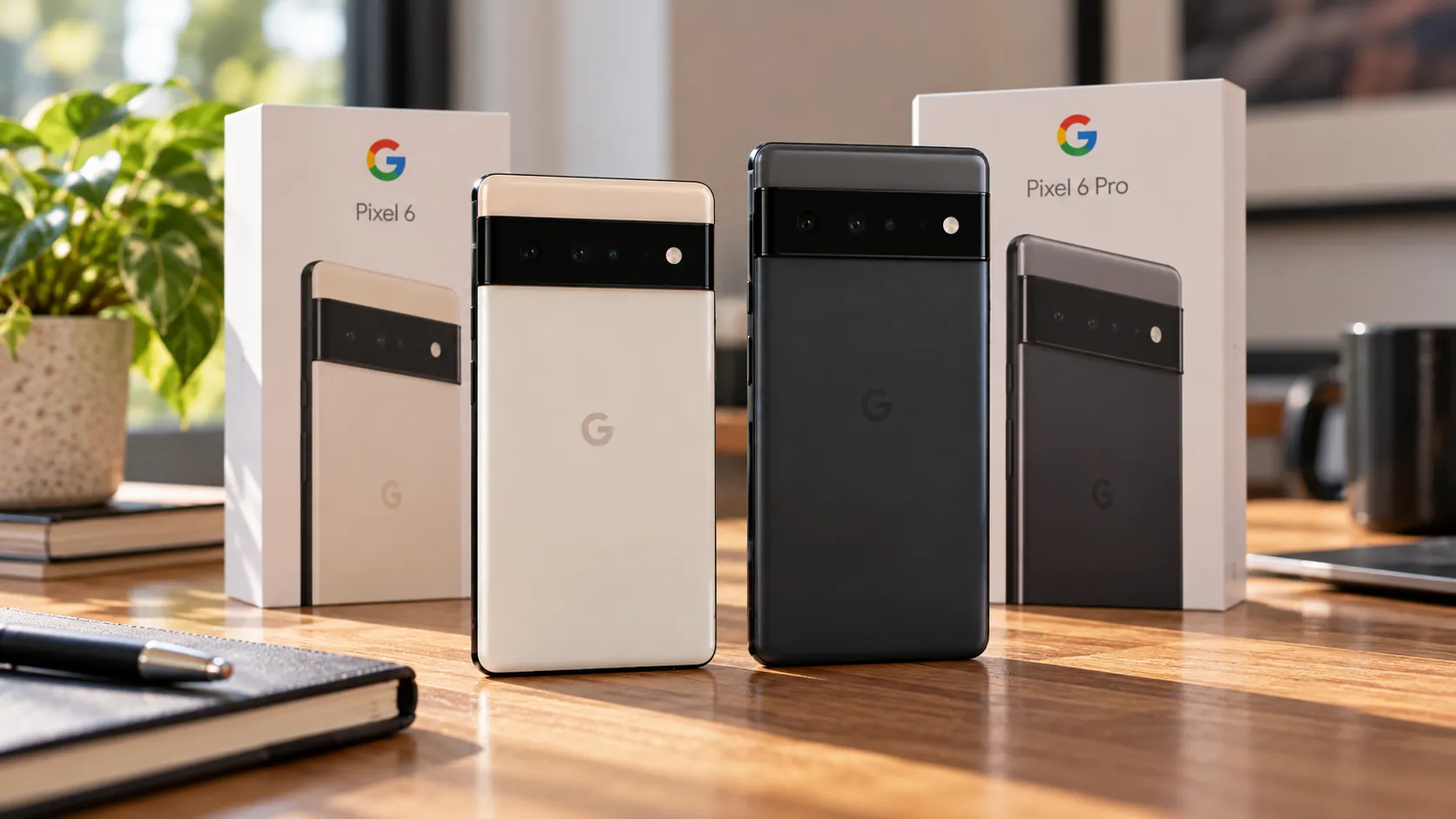
The beta is available for an impressive range of devices, covering everything from the Pixel 6 series all the way up to the latest Pixel 10 lineup, including all the Pro variants, the Pixel Fold, and even the Pixel Tablet, 9to5Google confirms. Most people will find the easiest path is through Google's Android Beta Program enrollment, though if you're comfortable with more hands-on installation methods, you can always use the flashable OTA images Google provides, NotebookCheck explains.
Now here's the critical consideration before jumping in: once you install Android 16 QPR3 Beta 1, there's no going back to the stable channel without doing a complete factory reset of your device, the same source warns. That's standard for beta software, but it's worth keeping in mind if you're using this as your daily driver.
My recommendation: If the At a Glance removal feature is essential to your daily Pixel experience and you don't mind occasionally encountering beta-related bugs, this update is worth considering. However, casual users should probably wait for the stable release.
Multiple outlets report Google is expected to ship a stable QPR3 in March 2026, 9to5Google indicates, so you're looking at several months of beta testing if you decide to make the jump now.
What this means for Pixel customization
This beta release represents a genuine shift in Google's approach to user feedback. The At a Glance removal option directly addresses what's been one of the most consistent requests from Pixel owners since the feature was introduced, Lifehacker notes. When combined with the privacy improvements and interface refinements, it demonstrates Google's commitment to responding to real-world usage patterns rather than just pushing forward with their original vision.
What's particularly encouraging is how these features collectively support a broader theme of user control. The At a Glance customization, enhanced location transparency, and refined visual elements all point toward Google recognizing that Pixel users want more agency over their device experience. This represents a maturation of the Pixel platform from Google's showcase for their services toward a more user-centric approach.
The March 2026 stable release timeline gives Google substantial runway to refine these features based on beta feedback. Having participated in previous Android beta programs, this extended testing period typically results in much more polished final releases, particularly for features that fundamentally change established user interface paradigms.
For Pixel enthusiasts who want maximum control over their device experience while contributing to the development process, QPR3 Beta 1 offers a compelling preview of where Google's heading, 9to5Google concludes. The combination of long-requested customization options, meaningful privacy enhancements, and performance improvements makes this beta particularly noteworthy for users who prioritize personalization over stability.


Comments
Be the first, drop a comment!