



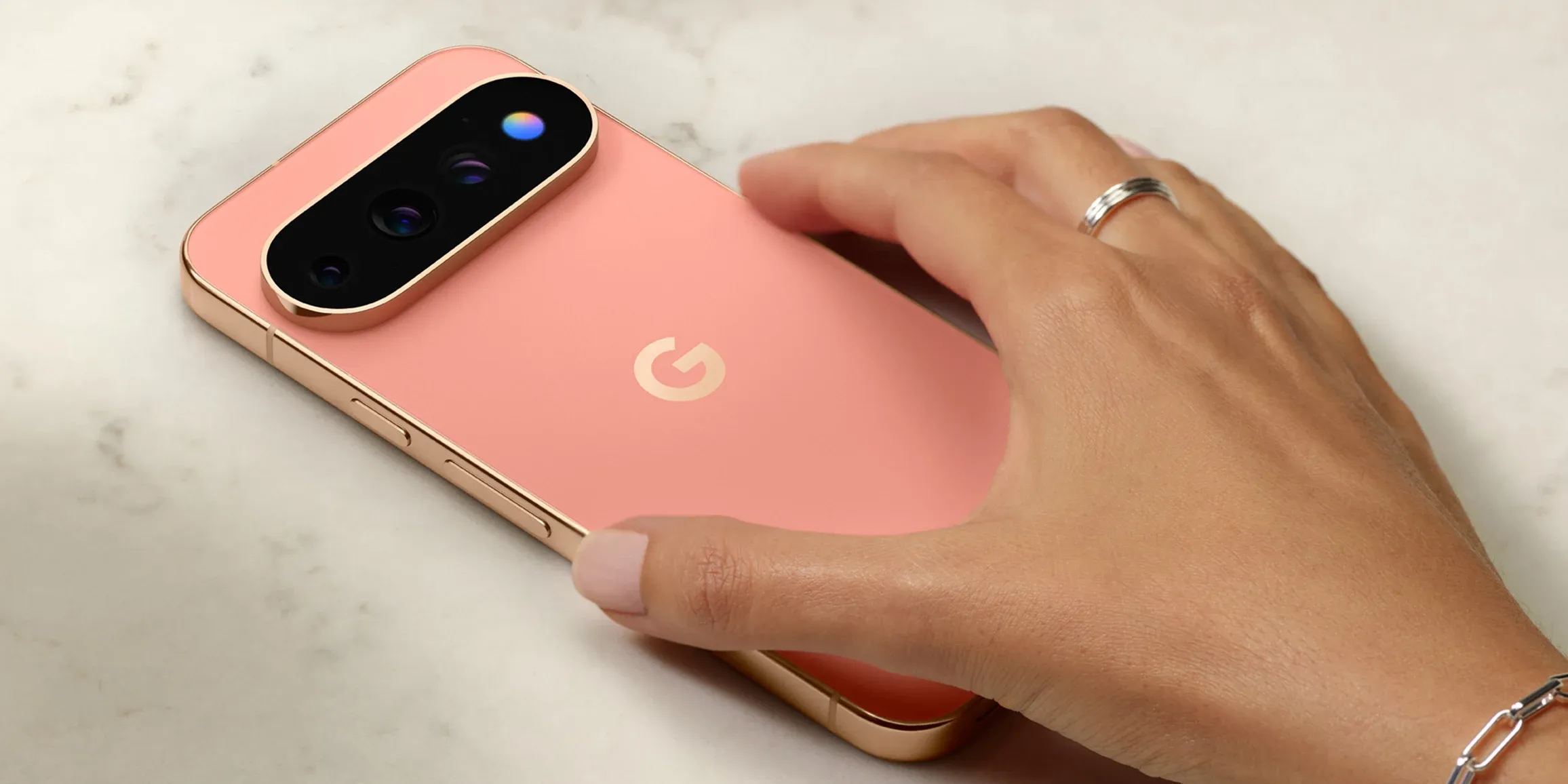
The Pixel 11 Pro has a flashlight problem. The phone starts at $1,099 for the 12GB/256GB configuration, and independent testing and hands-on reviews have converged on the same finding: the Pixel 11 Pro's flashlight throws noticeably less light than the phone it replaced, and less than several rivals besides.
The likely culprit is HiLight, the new rear notification light Google built into this year's Pro models. A teardown found that HiLight's diffuser sits directly over the same LED used for the camera flash and flashlight, according to Notebookcheck.
9to5Google's review units showed the same pattern; one editor described the flashlight as "unusable" during a home repair, according to 9to5Google.
Pixel 11 Pro flashlight comparison: what the tests show
The most detailed early comparison came from X user @multithreddy and was shared with Notebookcheck. The test used fixed manual exposure and maximum flashlight intensity across the phones.
Against the Galaxy Z TriFold, iPhone 17e, and Pixel 9 Pro, the Pixel 11 Pro came out dimmest in both flashlight and camera-flash output, according to Notebookcheck.
Newer testing puts a number on the difference. Android Authority measured about 89 lux from a Pixel 11 Pro XL in torch mode, compared with 123 lux from the Pixel 10 Pro XL and 490 lux from an iPhone 16 Pro in preliminary testing.
Android Authority tested multiple Pixel 11 Pro units from different regions. Team impressions varied, with some reviewers immediately noticing the weaker throw while others found it closer to previous Pixels, only warmer and more diffuse. The measured Pixel 11 Pro XL still produced less light than its predecessor.
9to5Google reached a similar verdict across review units of the Pixel 11 Pro, Pro XL, and Fold. The team found the flashlight "noticeably worse" than past Pixels, dimmer than a three-year-old iPhone 15 Pro, and a touch weaker than the Galaxy Z Fold 7.
One reviewer, Will Sattelberg, said he initially assumed the phone had somehow set the flashlight to half-brightness while fixing something around the house, only to realize that was simply its maximum output. Another editor described walking through a dark home and finding the beam ineffective beyond the first few feet.
The tests don't all use the same methodology. The @multithreddy comparison is a controlled visual comparison at fixed settings, Android Authority added an ambient-light measurement, and 9to5Google's observations include hands-on use.
Together, they point in the same direction: weaker flashlight output than before, not a one-off glitch. Google has not publicly explained the brightness difference.
Inside the Google Pixel 11 Pro HiLight diffuser
HiLight isn't a software feature bolted onto the old flash design. The Pixel 11 Pro no longer has the temperature sensor used by the previous three Pro generations, and the HiLight module now occupies that area of the camera bar.
A teardown by Phone Repair Guru found a ring of eight surface-mount RGB LEDs arranged around the main camera flash, all sitting under one frosted-white optical diffuser meant to blend their light into a smooth glow.
Under magnification, each of the eight LEDs shows distinct red, green, and blue elements, confirming that they're true RGB emitters rather than fixed-color lights.
The trouble is that the same diffuser covers the primary flash LED too. Notebookcheck reports that the Pixel 11 Pro no longer has the dedicated lens or microlens arrangement that helped focus and project the older flash's light forward.
Diffused light scatters rather than concentrating, which would explain both the shorter throw reviewers are describing and the softer-edged look visible in comparison shots.
Notebookcheck describes this as the likely result of integrating HiLight around the existing flash rather than evidence of a deliberate flashlight downgrade. Android Authority independently reached the same likely explanation after examining the Pixel 10 Pro and Pixel 11 Pro flash modules.
Google hasn't confirmed that the diffuser is responsible, so it remains the strongest hardware explanation rather than an official diagnosis.
The Pixel 11 Pro camera flash issue: a different picture
Flashlight performance and finished camera-flash photos turn out to be slightly different stories.
The flashlight complaints are the sharpest. 9to5Google's testing found illumination fading rapidly with distance, a change severe enough that one editor mistook it for a settings problem.
Android Authority's testing similarly found that the Pixel 11 Pro XL spread its flash more broadly across the background but left the foreground subject darker than the more concentrated beam from the Pixel 10 Pro XL.
Finished flash photos tell a gentler story. Comparing the Pixel 11 Pro XL against the Pixel 10 Pro XL, 9to5Google called the results "more or less comparable," while noting that processing differences complicate a direct comparison.
The newer phone's flash produced warmer, less harsh light. The trade-off is range: reviewers found that users need to stand closer to a subject because the light falls away more quickly.
An X user going by aradax, quoted by Droid Life, described the basic trade-off: the diffuser makes sense for a soft notification glow but is less useful when the phone needs to project light forward.
Less light reaching a distant subject and worse-looking flash photos aren't the same claim. The reporting so far supports a real flashlight regression alongside softer, warmer camera-flash illumination that can still produce comparable finished images at closer range.
What HiLight adds, and what it may cost
HiLight's official job is narrow.
On the Pixel 11 Pro, Pixel 11 Pro XL, and Pixel 11 Pro Fold, it provides visual cues while Gemini is listening, thinking, or responding and glows for incoming calls from favorite contacts. The call feature works with Phone by Google and WhatsApp.
Google says HiLight only glows when the phone is face down on a flat surface.
The idea echoes the notification LEDs Android phones used to carry before always-on displays became widespread, and Google says message notifications from favorite contacts are planned for a future update.
At launch, users can assign one of five colors to favorite contacts, according to 9to5Google. Gemini uses its own lighting patterns.
The hardware can do more. The teardown confirmed eight RGB LEDs rather than five fixed-color lights, while the third-party HiLight Studio app has demonstrated custom colors, lighting patterns, per-app notifications, and even individual LED customization.
That means at least some of HiLight's current limitations are software restrictions rather than limits imposed by the RGB hardware itself.
What comes next
Google has not publicly commented on the weaker flashlight output, and Android Authority says it has contacted the company for a response.
There's also no announced fix. Because the leading explanation involves the physical diffuser over the flash, software may have limited room to restore the same focused throw as previous hardware, although Google hasn't said whether brightness or flash behavior could be adjusted.
HiLight itself has clearer room to expand. Google has already promised message notifications from favorite contacts, and third-party software has demonstrated that the RGB array can support substantially more colors, patterns, and notification triggers than Google's launch implementation exposes.
For Pixel 11 Pro owners, the trade-off is already visible: HiLight adds a new glanceable notification system, but the optical design around it appears to have weakened one of the simplest tools on the phone.




Comments
Be the first, drop a comment!