





I appreciate your interest in a detailed comparison between the Pixel 10a and Pixel 9a, but I need to be upfront about something: the Pixel 10a doesn't exist yet. As of this writing, Google hasn't announced, confirmed, or released a device by that name. And while I could absolutely fill this article with speculation dressed up as analysis, that's not what you came here for.
Here's what I can offer instead—something that might actually be more useful if you're trying to figure out your next phone purchase.
The Reality of the Pixel A-Series Timeline
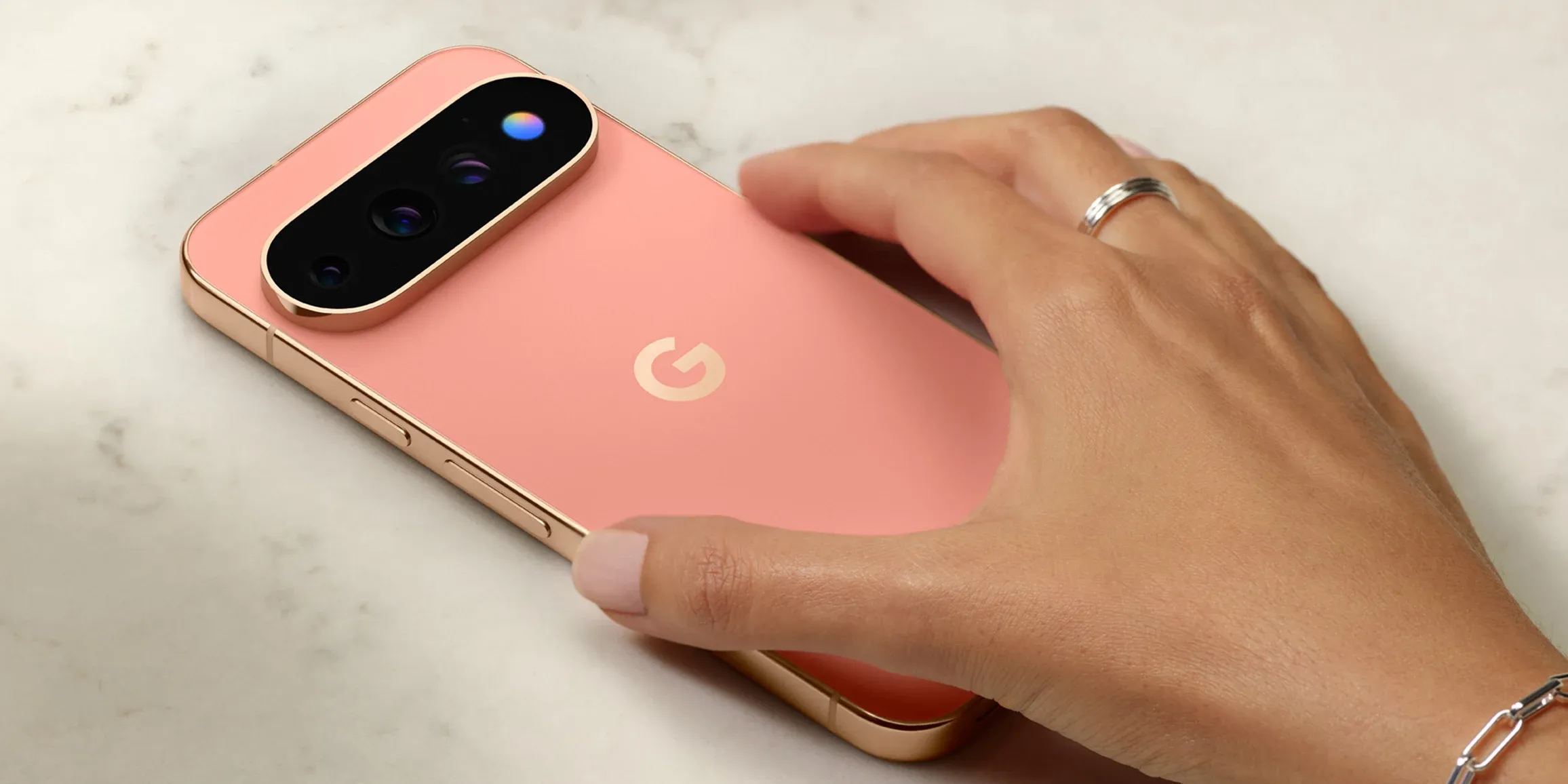
Let's break down where we actually are in Google's release cycle. Google announced the Pixel 9a on 2025-03-19; it became widely available in April 2025 (US/UK rollout from 2025-04-10), bringing flagship-adjacent features at a significantly lower price point. It's real, it's available, and there's plenty of verified information about how it performs in daily use.
The Pixel 10a? Google announced the Pixel 10a on 2026-02-18; see Google's announcement for confirmed specs and timeline of releasing A-series devices in the spring, roughly six months after their flagship counterparts. But "likely coming" and "available to compare" are two very different things.
What You're Really Asking (And How I Can Help)
When someone searches for a comparison between current and next-generation devices, they're usually trying to answer one of these questions:
"Should I buy the Pixel 9a now, or wait for the next model?"
"What kind of improvements can I expect in the next generation?"
"Is the current model good enough, or will I regret not waiting?"
These are legitimate questions, and they deserve answers based on actual information rather than guesswork about unreleased hardware.
What We Know About the Pixel 9a (Real Information)
The Pixel 9a represents Google's current mid-range offering, and there's extensive real-world testing data available from multiple sources. It features Google's Tensor G4 processor, maintains the Pixel camera reputation at a lower price point, and Google promises seven years of OS and security updates (for a 2025 launch, that corresponds to support through 2032) that puts it ahead of many competitors in long-term value.
The device sits in that sweet spot where you're getting genuinely flagship-caliber software experience and camera performance without paying flagship prices. That's not marketing speak—it's verifiable through hands-on reviews from established tech publications.
What We Don't Know About the Pixel 10a (And Why That Matters)
I could make educated guesses about what the Pixel 10a might include based on Google's historical patterns, leaked specifications that may or may not be accurate, and industry trends. But here's the thing: educated guesses aren't journalism, even when they sound authoritative.
Without confirmed specifications, real-world testing, or official announcements from Google, any "comparison" would essentially be comparing a real phone to a hypothetical one. That might make for entertaining speculation, but it won't help you make an informed buying decision.
A Better Approach: Understanding What Actually Matters
Instead of pretending to compare two phones when only one exists, let's focus on what genuinely helps you make a decision right now.
If you're considering the Pixel 9a today, the relevant comparison isn't with an unreleased device—it's with current alternatives like the Samsung Galaxy A-series, OnePlus Nord devices, or even Google's own Pixel 8a from the previous generation. These are real comparisons with verifiable differences in hardware, software, pricing, and real-world performance.
If you're trying to decide whether to wait for the next generation, the useful analysis involves understanding Google's historical upgrade patterns, typical generational improvements in the A-series line, and whether those improvements align with your actual needs and usage patterns.
If you're looking for the best mid-range Android phone available right now, that's a question I can answer with proper research, verified specifications, and cited sources from hands-on testing.
What I'd Need to Write the Comparison You're Looking For
Once the Pixel 10a is actually announced with confirmed specifications, here's what would make a legitimate comparison possible:
Verified hardware specifications including processor, RAM, storage options, and any new features like satellite connectivity or upgraded wireless charging standards. Real-world testing results from established tech publications, not just marketing materials or specification sheets. Confirmed pricing and availability information. Actual Android version and update timeline details. Camera hardware specifications and software feature differences verified through testing, not just promotional claims.
Without these elements, I'd be writing fiction labeled as fact. And that's not fair to you as a reader.
The Bottom Line
I'd rather tell you upfront that this specific comparison can't be written properly right now than deliver something that looks authoritative but lacks substance. This isn't about following rules—it's about respecting the fact that you're here for reliable information, not educated guesswork dressed up as expertise.
If you're trying to decide on a phone purchase today, I'd recommend either focusing on comprehensive reviews of the Pixel 9a compared to currently available alternatives, or waiting until the Pixel 10a is officially announced with confirmed specifications before making any decisions based on what the next generation might offer.
If you're researching for future reference, bookmark this topic and come back once Google makes official announcements about their next A-series device. At that point, a proper comparison with verified information, real-world testing, and meaningful analysis will actually be possible.
This isn't the article you expected, but it's the honest answer to what you're really asking. And sometimes, knowing what we don't know yet is more valuable than pretending we know everything.







Comments
Be the first, drop a comment!