





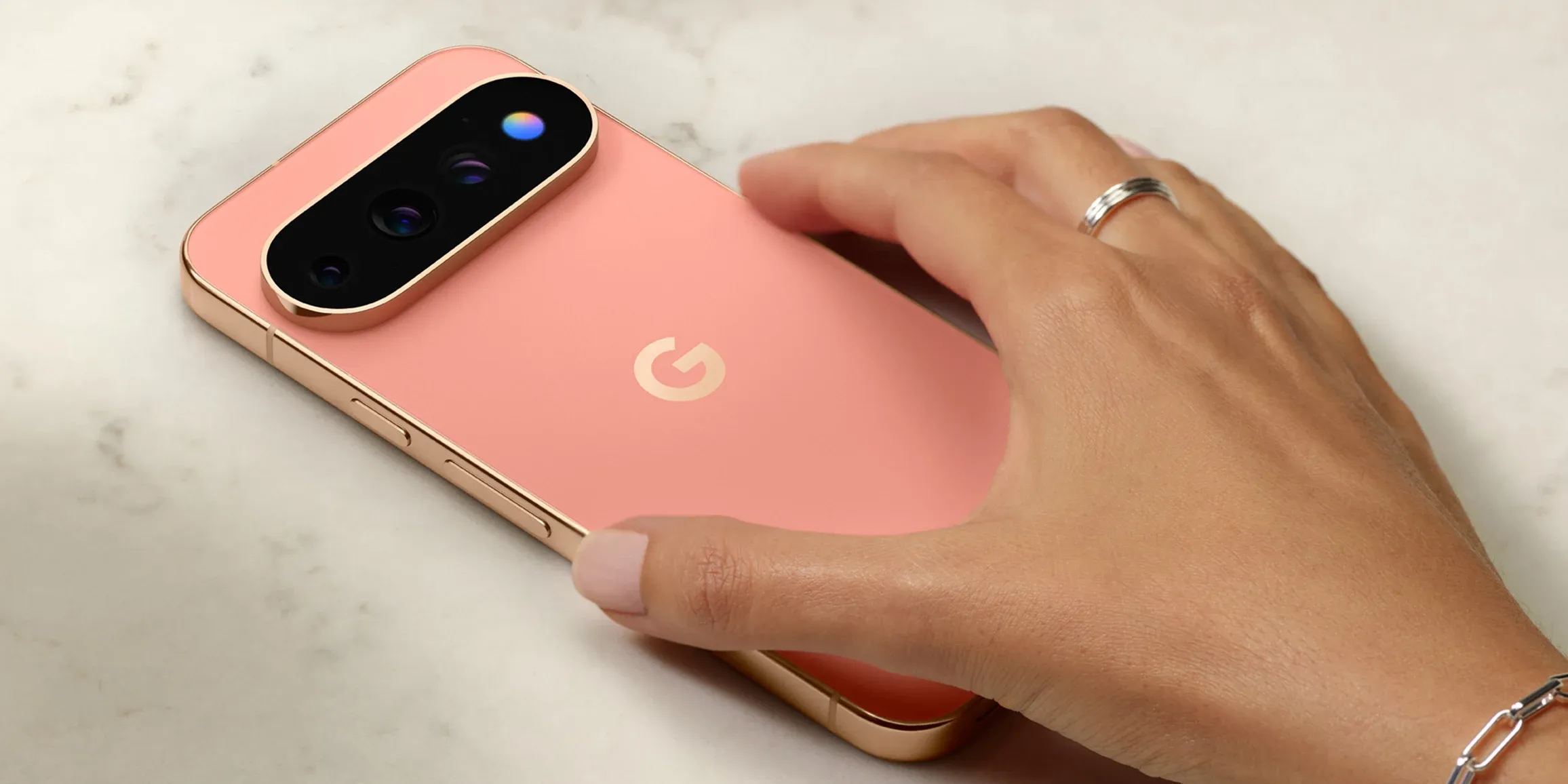
Google just pulled off something that seemed impossible until recently: making Android and iPhone play nice when sharing files. For years, Android users have envied the seamless way iPhone owners can swap photos and documents with a simple tap, according to AOL. That frustration finally ended when Google enabled Quick Share to work with Apple's AirDrop on the Pixel 10 lineup late last year, as reported by AOL. Now here's the kicker: the Pixel 10a is set to become the first budget-tier A-series device to inherit this cross-platform sharing capability, signaling a major shift in Google's ecosystem strategy.
This isn't just about adding a convenient feature to a midrange phone. It's about Google democratizing what was initially a flagship-exclusive trick and pushing its ecosystem lock-in strategy beyond premium devices. Let's break it down: Understanding the technical achievement, hardware requirements, and strategic implications reveals why this isn't just another feature update—it's a fundamental shift in how Android competes with iOS. We'll explore what this means for Android users, how Quick Share stacks up against AirDrop, and why bringing this functionality to the A-series matters more than you might think.
Why Quick Share-AirDrop compatibility is a bigger deal than it sounds
The technical achievement here deserves recognition. Google invested significant resources to ensure Quick Share works seamlessly with not just iPhones, but also iPads and Macs, according to The Verge. This wasn't a collaborative effort with Apple—Google engineered this interoperability independently, which makes it all the more impressive. Eric Kay, Google's Vice President of Engineering for the Android platform, confirmed the company spent "a lot of time and energy" making this compatibility work, as reported by AOL.
This independent engineering approach reveals Google's commitment to interoperability even without Apple's cooperation—a strategic positioning that could pressure Apple to reciprocate or risk appearing anti-competitive. The engineering complexity behind this casual convenience shouldn't be understated. Google implemented interoperability without Apple's cooperation (public reporting indicates Google engineered the compatibility independently) to create seamless handshakes between fundamentally different ecosystem architectures—all without Apple's API access or documentation.
Currently, this functionality remains exclusive to Pixel 10 devices, according to The Verge. But that's about to change in a big way. Google has confirmed plans to expand AirDrop compatibility to "a lot more" Android devices throughout this year, with Kay teasing "exciting announcements coming very soon," as reported by The Verge. The fact that Google transformed the Quick Share Extension into a full application suggests the company built this feature with broader Android adoption in mind from the start, according to AOL.
The timing couldn't be better for the Pixel 10a. announced Feb 18, 2026; available for pre-order Feb 18, 2026 and on sale March 5, 2026, the device is positioned to demonstrate that premium ecosystem features no longer need premium price tags. This matters because midrange phones represent where most people actually live in terms of device purchasing. By prioritizing the Pixel 10a for this rollout, Google signals that cross-platform compatibility is infrastructure, not luxury—a philosophical departure from Apple's premium-gated approach to ecosystem features. Not everyone drops flagship money on their smartphone, and those buyers shouldn't be left out of fundamental improvements to how we share information.
The hardware and software requirements behind the magic
Here's what makes this particularly interesting: the technical requirements for Quick Share-AirDrop compatibility appear achievable across various hardware configurations. The Pixel 10 series runs on Google's custom Tensor chips rather than Qualcomm's Snapdragon processors, according to AOL. Yet Qualcomm itself hinted in November that Snapdragon-powered devices would gain this capability "in the near future," as reported by AOL.
The fact that both Google's custom Tensor chips and Qualcomm's Snapdragon architecture can support this functionality suggests Google built Quick Share's AirDrop compatibility on standard Bluetooth Low Energy and WiFi Direct protocols—universal wireless standards that don't require proprietary silicon. This architectural decision dramatically lowers implementation barriers for OEMs, which bodes well for widespread adoption. Nothing, the British smartphone manufacturer, has already confirmed it's exploring how to bring this functionality to its devices as quickly as possible, with CEO Carl Pei making that commitment back in November, according to AOL. Nothing's next-generation midrange phones are rumored to arrive in March, as noted by AOL, making them prime candidates for early adoption.
What remains unclear is whether this capability will roll out to existing Android devices through software updates or remain exclusive to new models. Google hasn't specified whether older phones already on the market will receive this functionality, according to AOL. The architectural shift from extension to full application suggests some baseline hardware requirements—likely specific Bluetooth and WiFi chip capabilities—but Google's broad partnership discussions indicate they've minimized these barriers to maximize addressable devices.
The software side appears more straightforward. Quick Share operates across Android, Windows, and ChromeOS devices, creating a multi-platform sharing network that now extends to Apple's ecosystem. This positions Google's solution as potentially more versatile than AirDrop, which remains confined to Apple devices—unless you're using Quick Share to initiate the transfer from the Android side. More significantly, Quick Share's existing cross-platform support for Windows and ChromeOS means Android users gain access to Apple's ecosystem while maintaining broader device compatibility than iPhone users enjoy.
What this means for Google's ecosystem strategy and midrange buyers
By bringing Quick Share-AirDrop compatibility to the Pixel 10a, Google is making a clear statement: ecosystem features shouldn't be paywalled behind flagship pricing. This democratization approach contrasts sharply with Apple's strategy of reserving premium features for premium devices. The Pixel 10a's inclusion in this rollout suggests Google views cross-platform sharing as fundamental infrastructure rather than a luxury add-on.
For someone shopping in the midrange segment, this feature fundamentally changes the Android value proposition. Previously, budget Android buyers faced an implicit ecosystem tax—they could access Google services but remained locked out of seamless interoperability with the dominant iPhone user base in markets like the US. The Pixel 10a eliminates this tax, potentially disrupting Apple's social network effects that drive iPhone loyalty through peer pressure and convenience. You're no longer the person who can't easily join in when everyone's AirDropping photos around, forcing you to either ask people to text them (which compresses quality) or wait until you can upload them somewhere. The Pixel 10a's Quick Share compatibility removes that friction point entirely, making it genuinely easier to exist in a mixed-platform environment without constantly reaching for third-party workarounds or cloud services.
Google's broader ecosystem play extends beyond just file sharing. Kay also discussed improvements to the iOS-to-Android switching process, aiming to eliminate incomplete data transfers and lost messages that have historically plagued platform switchers, according to The Verge. Apple has been developing its own "user-friendly" data transfer method since early 2024, with collaborative testing between Google and Apple observed in Android Canary builds for Pixel devices last December, as reported by The Verge. These parallel efforts reveal Google's comprehensive strategy: make switching to Android frictionless while ensuring Android users don't feel isolated in iOS-dominant social circles. It's a two-pronged attack on Apple's ecosystem moat.
The ripple effects across the Android ecosystem could be substantial. If Google successfully partners with major manufacturers to implement this widely, it creates a unified Android response to one of the iPhone's most-loved features. This matters beyond convenience: it directly attacks Apple's lock-in strategy by reducing the switching costs that keep users trapped in iOS. When your Android phone works seamlessly with your friends' iPhones, the social friction of being a "green bubble" diminishes significantly. That kind of ecosystem cohesion has historically been Android's weakness compared to Apple's tightly integrated approach. We've seen Android excel at offering choice and customization, but sometimes that fragmentation means users miss out on the "it just works" moments that Apple nails consistently.
Where Google takes this cross-platform sharing next
Given Google's clear strategic commitment to ecosystem interoperability—evidenced by both the engineering investment and midrange prioritization—the immediate expansion timeline looks promising for Android users eager to share files seamlessly with Apple device owners. Google's confirmation that expansion is coming "very soon" suggests announcements could arrive as early as this quarter, according to The Verge. The Pixel 10a's expected launch positions it as a showcase device for this capability in the midrange segment, as noted by AOL.
Beyond just expanding device compatibility, Google appears committed to improving the entire cross-platform experience. Kay's comments about enhancing data transfer for iOS switchers indicate this is part of a larger strategy to reduce friction between ecosystems, according to The Verge. This approach contrasts sharply with Apple's historical resistance to interoperability: while Apple builds walls to trap users, Google is building bridges to attract them. The long-term competitive implications could be substantial if Android's openness becomes a genuine selling point rather than a fragmentation liability. It acknowledges that most people don't live in single-ecosystem bubbles—we all have friends, family, and colleagues using different devices, and technology should accommodate that reality rather than fight against it.
PRO TIP: Once Quick Share expands to your Android device, enable "Contacts Only" visibility to prevent random transfer requests in crowded spaces—the same privacy consideration iPhone users apply to AirDrop.
Bottom line: The Pixel 10a inheriting Quick Share-AirDrop compatibility represents more than just a feature addition—it's a signal that Google is serious about making its ecosystem advantages accessible across all price points. More importantly, it demonstrates that ecosystem lock-in strategies can be disrupted through engineering excellence and strategic feature democratization. For Android users tired of the "blue bubble" divide and file-sharing workarounds, this is the kind of practical progress that actually improves daily device usage. And if Google successfully extends this to other manufacturers as promised, Android might finally achieve ecosystem cohesion while maintaining the openness that differentiates it from iOS—proving that walled gardens aren't the only path to seamless user experiences.






Comments
Be the first, drop a comment!