





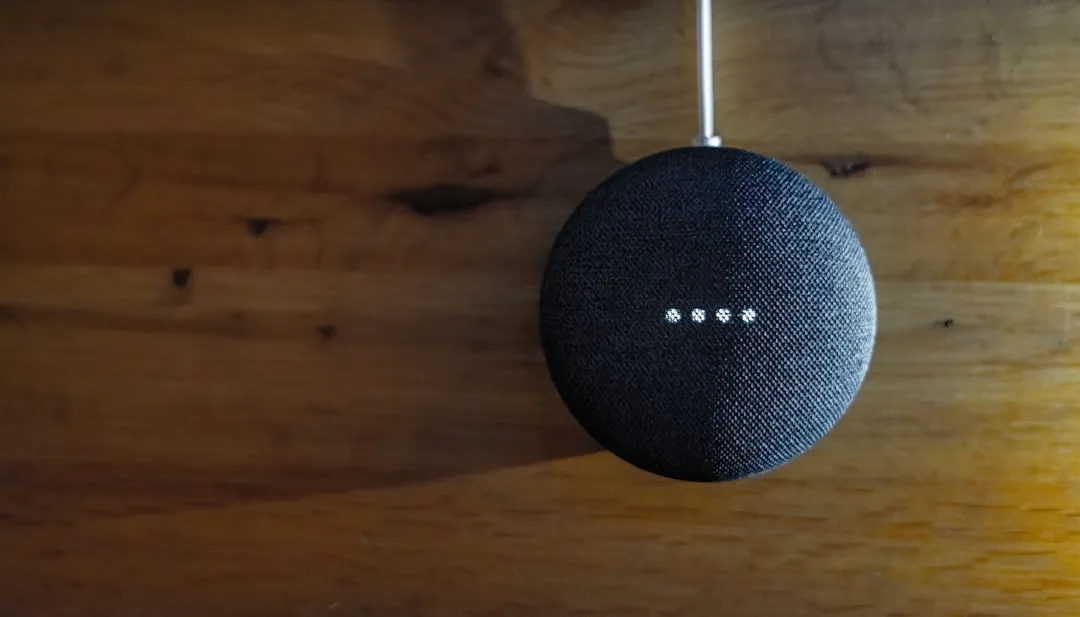
Nest Mini and Nest Audio Out of Stock as New Google Home Speaker Nears
Both the Nest Mini and Nest Audio have gone out of stock simultaneously across the US Google Store and Best Buy, with international stores showing the same pattern, 9to5Google reported this week. A Best Buy Canada listing, first spotted by 9to5Google last week, shows a June 25 release date for the replacement Google Home Speaker. Google has issued no formal end-of-sale notice for either device, but the retail evidence points toward a product handoff already in motion.
What the stockouts show across the Google Store and retailers
On the US Google Store, the Nest Audio carries an "Out of stock" notice and the Nest Mini an "Unavailable" label, per 9to5Google. At Best Buy, the Nest Mini has been pulled from listings entirely while the Nest Audio sits on clearance. Canada shows the same out-of-stock status. European and Australian Google Stores have replaced buy buttons with "Get notified" prompts, a staging behavior that reads, based on the available retail evidence, more like preparation for a product changeover than a supply disruption.
The timing lines up with a commitment Google made last October: a spring 2026 ship window for the new Home Speaker, per the company's blog. Spring ends June 21. The Best Buy Canada listing puts launch at June 25, four days past that deadline. That date comes from a single retailer with no US equivalent and no confirmation from Google; it should be treated as indicative, not settled.
The Nest Mini dates to 2019, the Nest Audio to 2020. If the new speaker ships this month, it would end what Android Police noted last week as six years without a new Google smart speaker.
Why the Nest Mini and Nest Audio out of stock status matters for buyers
The two devices occupied different positions in Google's lineup: the Nest Mini as the compact, budget option, the Nest Audio as a mid-range device with noticeably better sound at a higher price. The new Home Speaker, priced at $99.99, appears to replace both with a single product. Whether that's Google's explicit intent hasn't been confirmed, but a single device spanning two former price points would represent a deliberate simplification of the tier structure.
For anyone considering a purchase now, the practical choice is between hunting remaining clearance stock or waiting for a device built around Gemini from the ground up. Clearance pricing may look attractive, but 9to5Google reports that older product listings will likely disappear once the new model goes on sale. Both devices will receive the Gemini for Home voice assistant upgrade at no cost, according to Google, so existing hardware isn't being abandoned at the software level. What remains unclear is how the Gemini experience will differ in practice between a purpose-built device and older hardware retrofitted for the assistant.
There is no confirmed end-of-support timeline for either device. Owners who prefer the current setup can continue using their hardware; the assistant transition is rolling out gradually, not through a hard cutoff.
Gemini software is what held up the hardware
Google described the new Home Speaker last October as "the first audio device built for Gemini," engineered around the AI assistant rather than adapted for it, per the company's blog. That framing helps explain both the wait and the near-miss on the spring deadline.
9to5Google assessed last week that the hardware is presumably complete by now, with the software remaining the sticking point. Gemini for Home is still operating under an Early Access program, and since March, Google has been pushing updates to the preview experience on existing speakers and displays three to four times per month. That pace reflects a platform being stabilized, not one ready to headline a launch.
The reliability problems have recent history. In early March, Android Police reported that Google had to issue fixes for Gemini for Home after widespread complaints that smart home devices had stopped responding to voice commands. That kind of regression, on the software that's supposed to be the centerpiece of a major hardware debut, is exactly the kind of thing that slips a ship date.
The core voice assistant upgrade is included with existing hardware at no cost, according to Google. The more capable features, including Gemini Live, Home Brief, AI-powered notifications, and video history search, require a Google Home Premium subscription starting at $10 per month. The free tier keeps older hardware functional; the paid tier is where the platform's meaningful new capabilities actually live.
Android Police observed that pressure is high for the new speaker to work smoothly from the start, given both the length of the wait and its status as the first Google smart home device built natively around Gemini. The March reliability issues make that pressure more acute.
What the new speaker is
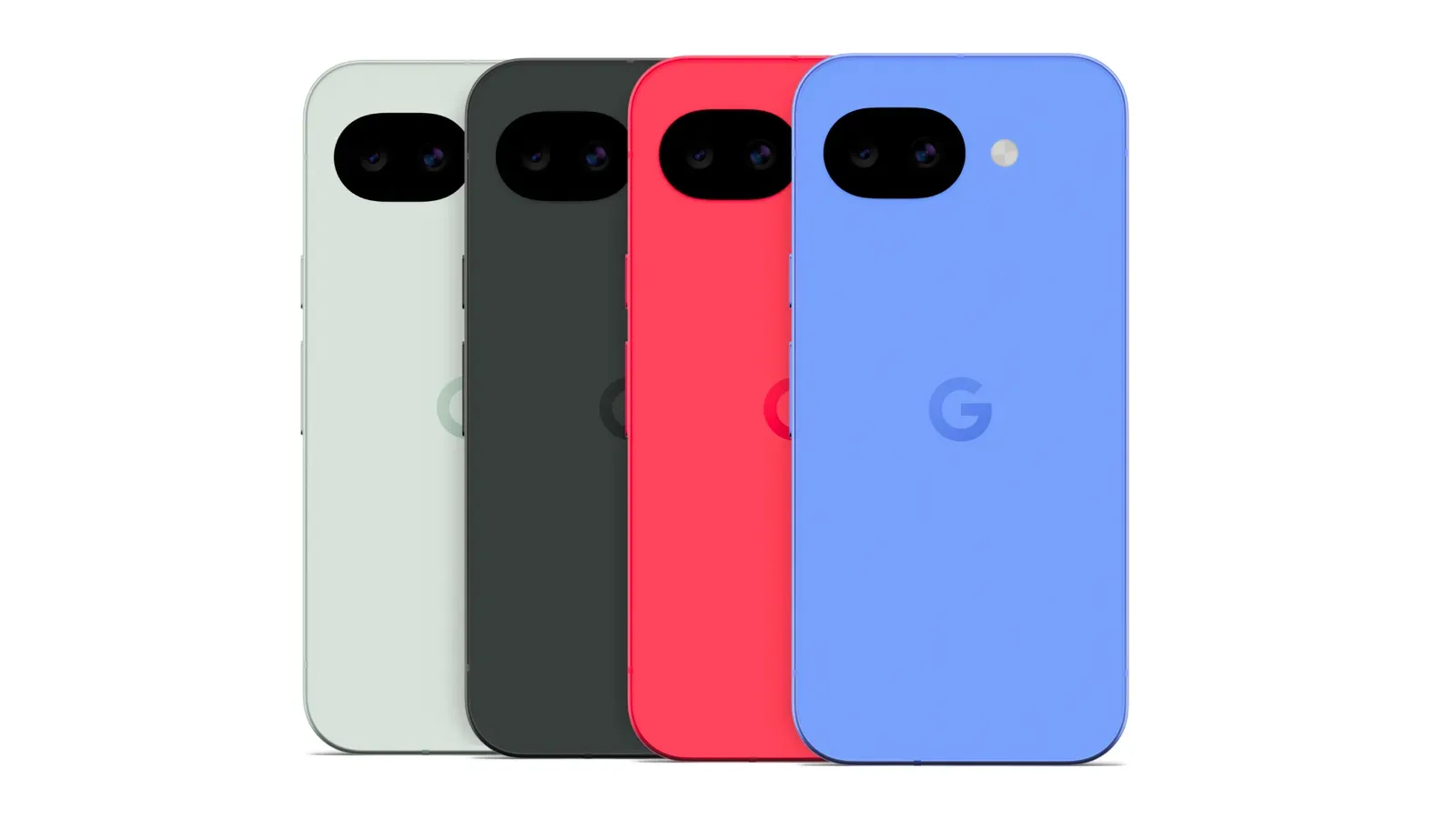
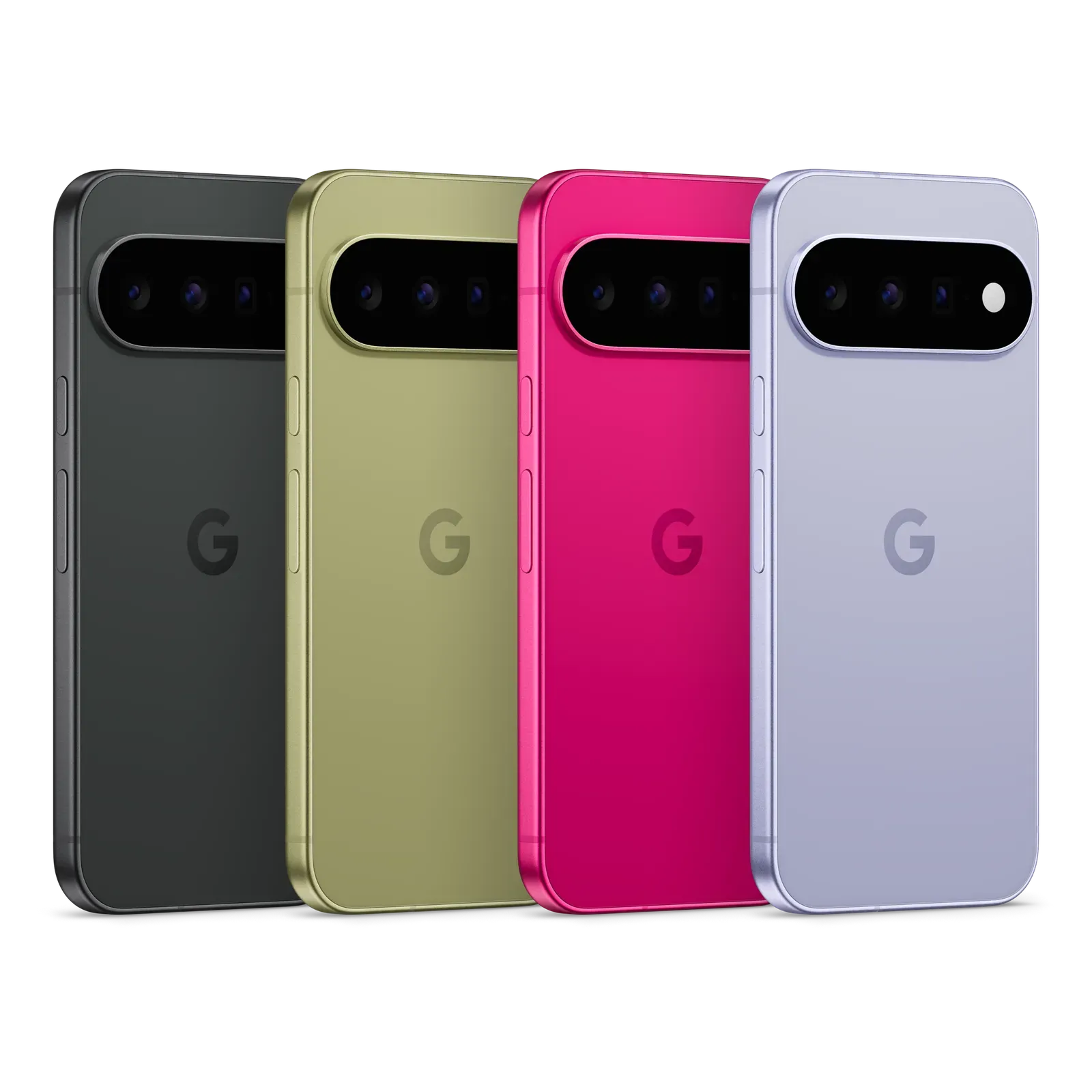
The Google Home Speaker uses a 360-degree fabric-wrapped design with a status light ring and microphone mute switch at the base, available in four colors: Berry, Hazel, Jade, and Porcelain, per 9to5Google. The fabric covers the full body except the base, a clear aesthetic departure from anything in Google's current lineup.
Feature-wise, it covers ground the Nest Audio never did. Stereo pairing with a second unit, multi-room grouping with existing Nest speakers, and the ability to pair with Google TV Streamer for a home theater setup are all new capabilities, per 9to5Google. Whether those additions justify $99.99 over clearance Nest Audio units will depend heavily on how much the Gemini-native experience actually differs from what older hardware delivers.
The planned launch spans 19 countries, per Google's blog, covering North America, most of Western Europe, Japan, Australia, and New Zealand. That's a broader simultaneous rollout than Google's historical pattern for Nest speaker launches suggests, pointing to a platform relaunch rather than a regional test.
What to watch for
The clearest sign that a formal transition is underway will be Google pulling the Nest Mini and Nest Audio product pages entirely, which 9to5Google reports is likely once the new model becomes available. A US retailer listing, a Google Store update, or a direct end-of-sale notice from Google would settle what the current retail picture only implies. None of those have appeared as of this week.
The more consequential question isn't whether the new speaker ships on time. It's whether Gemini for Home is stable enough to validate six years of hardware stagnation. A clean launch would reframe the wait as deliberate. A rocky one would be harder to explain away.






Comments
Be the first, drop a comment!