



Intel Googlebooks Android App Compatibility Issues Explained
On the same day Google's new Googlebook laptops went on sale, the company admitted that Intel-based models may stumble on certain Android apps (The Verge). In a statement to Android Authority, Google described the affected group as a "small handful of complex apps or games" that need developer tuning to run their best on Intel platforms (Engadget).
That statement confirms Intel Googlebooks Android app compatibility issues for three of the five launch models: Acer, ASUS, and Lenovo run Intel Core 5 chips, while Dell and HP run Qualcomm's Snapdragon X Elite (The Verge). Confirmed: Google says the problem traces to chip architecture rather than a flaw in any specific app, and that the "vast majority" of apps run smoothly on both chip types right out of the box (Engadget). Still unknown: which apps make up that small handful, how many there are, and what running "poorly" actually looks like once a buyer has one of these laptops in hand.
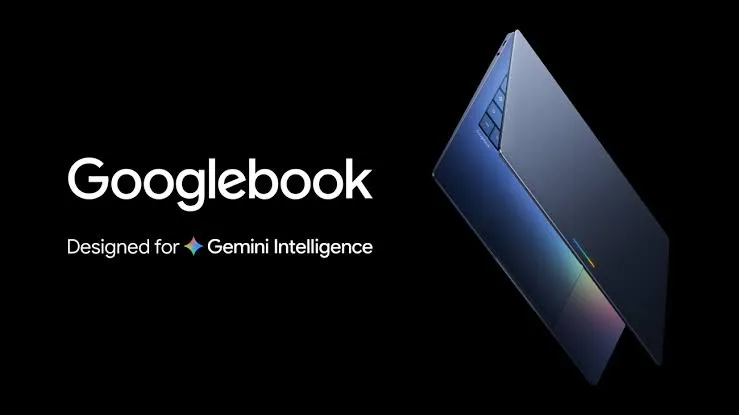
Googlebooks are a new laptop category built around Android phone pairing, combining Chrome's desktop software with access to Android's full app catalog through the Play Store (Engadget). This article breaks down which devices are implicated, the architectural reason Google points to, what the Play Store promise actually guarantees, and what to check before buying, without overstating a problem Google itself hasn't put a number on.
Which Googlebooks are affected, and what Google actually said
Google's full statement names chip architecture as the cause, not a defect tied to any particular title. "Because many Android apps were originally designed for Arm chips, a small handful of complex apps or games need some developer tuning to run their best on Intel-based platforms," the company said (The Verge).
Google also said it's working with app developers, Intel, and Qualcomm to "continuously optimize performance and expand compatibility across the entire portfolio," though it gave no timeline for when that work might resolve the apps already flagged as needing tuning (Engadget).
Notice that "small handful" and "vast majority" are both qualitative descriptions. Google supplied no denominator for either one, and nothing in the statement rules out other app categories beyond the complex games it mentioned. Until the company names specific titles, or reviewers run identical apps across Intel and Snapdragon Googlebooks side by side, the actual scope of the problem stays an open question rather than a measured one.
Why Android apps run poorly on Intel Googlebooks
Android software is built for Arm processors. Intel's x86 chips need a hardware translation layer to run that Arm-targeted code, which Google identifies as the reason some apps may need tuning on its Intel-based platforms (Engadget).
Google has previously said that converting and executing Arm code on x86-based Chromebooks reduces both performance and battery life, the same tradeoff echoed in its language about Intel Googlebooks (Engadget). Apps compiled natively for x86 skip that translation step entirely, which is presumably why Google frames the issue as limited to "complex" titles rather than something universal. The company has not said whether any productivity or utility apps fall into that complex category, so for now the term is defined only by Google's own word choice, not by a published list.
Android apps on ChromeOS also run inside a separate virtual machine called ARCVM, a layer that consumes its own share of CPU and memory on top of whatever chip translation adds (ChromeOS.dev). Google hasn't tied that system to its launch-day admission, so it's useful background on how Android runs inside ChromeOS generally, not evidence explaining why any specific app struggles on a specific Intel Googlebook.
What Google's Play Store promise does and doesn't guarantee
Google's messaging around Googlebooks has blurred three separate questions into one marketing pitch: whether an app is available in the Play Store, whether it's been optimized for Googlebooks specifically, and whether it runs well on the chip inside the laptop a buyer actually owns. Those are three different guarantees, and Google's own disclosures show the gaps between them.
On availability, Google has said every app is available on a Googlebook, even though some may not deliver smooth performance on every model (The Verge). That's a claim about what's downloadable, not about how well any given app actually runs once it's installed.
On optimization, Google has separately said unoptimized apps remain downloadable through the Play Store, sitting alongside a distinct, curated section of apps the company has optimized specifically for Googlebooks (Engadget). That reporting doesn't establish whether the curated section actually distinguishes Intel-ready apps from apps that simply run fine everywhere, so it shouldn't be treated as a buyer-facing Intel compatibility checker until Google clarifies the curation criteria.
On performance, Google's launch-day admission narrows its earlier "everything works" framing without closing the gap: apps can be available, and even optimized for Googlebooks as a platform, while still needing further tuning on Intel's chip specifically. Those are the two tiers buyers need to keep straight before assuming a title in the Play Store, or even in the optimized section, will run the way it does on a phone.
What to check before buying a Googlebook
Google has acknowledged a real, unquantified performance caveat tied to Intel's x86 architecture, and that acknowledgment hasn't come with a list of affected apps or a working definition of "poorly." The Dell and HP models, built on Qualcomm's Arm-based Snapdragon X Elite, should have greater compatibility with every Android app than the Intel models, according to The Verge. That's an architecture-based expectation grounded in how the chips handle Android code, not a result from independent testing of these specific laptops.
Until Google identifies the affected titles, buyers whose purchase hinges on one demanding app or game should verify that exact title on the exact model before paying, either by checking hands-on reviews of it running on an Intel Googlebook or by testing it personally during a retailer's return window. Anyone whose use case doesn't involve graphically intensive Android games can reasonably treat this as a minor, unresolved caveat rather than a reason to avoid Intel models outright. Buyers shopping specifically for Android gaming on a Googlebook should lean toward a Snapdragon model, or hold off, until Google names the apps it's still tuning or reviewers publish side-by-side comparisons.











Comments
Be the first, drop a comment!