






Google just rolled out WeatherNext 2, the latest AI-powered forecasting system from Google DeepMind and Google Research. This breakthrough technology is the company's most sophisticated weather model yet, bringing lightning-fast predictions directly into the apps you already use daily. The system produces forecasts up to eight times faster than previous models while delivering measurable improvements across 99.9% of tested variables, including temperature, wind speed, and humidity. What makes this particularly exciting is how it's easily integrated across Google's ecosystem—from Search and Gemini to Pixel Weather and the upcoming Google Maps integration.
The tech behind the magic: How WeatherNext 2 actually works
Here's where things get really interesting from a technical standpoint. WeatherNext 2 employs an approach called Functional Generative Network (FGN) architecture, which is a significant departure from traditional weather modeling. This system can simulate hundreds of possible weather scenarios from a single input in under a minute—something that would typically require hours on a supercomputer using conventional physics-based methods.
The model is trained on individual variables like temperature, wind speed, and humidity, but here's the clever part: it learns to forecast complex, interconnected weather systems even though it's only trained on marginals. Think of it like teaching someone individual musical notes and watching them compose symphonies. The system injects targeted randomness directly into the model architecture, ensuring forecasts remain physically realistic while capturing the full range of weather possibilities.
What sets this apart from traditional supercomputer-based forecasting is the efficiency breakthrough. WeatherNext 2 completes a full forecast in under a minute, running comprehensive ensemble forecasts on just a single TPU (Tensor Processing Unit). This isn't just about convenience—it enables real-time decision making and adaptive forecasting that responds to changing conditions as they develop.
The beauty of this approach lies in its ability to generate what meteorologists call ensemble forecasts—essentially multiple possible futures for the same weather pattern. Unlike traditional single-prediction models, this gives you a much richer understanding of uncertainty and helps identify those critical worst-case scenarios that are most important for planning.
Where you'll actually encounter this technology
The rollout spans virtually every Google service you might use for weather information, creating a unified experience across platforms. Google Search, Gemini, and Pixel Weather are already powered by the new system, delivering more accurate hour-by-hour predictions with the granular detail this technology enables.
But here's where it gets really practical: Google Maps will adopt WeatherNext 2 in the coming weeks, bringing advanced weather layers, alerts, and real-time overlays directly into your navigation experience. Imagine planning a road trip and seeing not just traffic conditions, but detailed weather patterns along your entire route with unprecedented accuracy. You'll know exactly when you might hit rain, how heavy it'll be, and whether you need to adjust your departure time to avoid the worst conditions.
For developers and enterprises, the technology is available through Earth Engine, BigQuery, and Vertex AI as part of an early access program. This democratizes access to advanced weather data for industries like agriculture and logistics, where modeling worst-case scenarios can provide crucial visibility into severe weather conditions that could disrupt operations.
The system also powers Google's Weather API, meaning third-party apps and services will gradually get access to these improved predictions. It's not just about Google's own products—this technology will ripple out across the entire weather information ecosystem, raising the bar for accuracy everywhere.
What this means for your daily weather decisions
The real game-changer here isn't just technical—it's practical. WeatherNext 2 generates four six-hour weather forecasts daily, with lead times up to 15 days, but with resolution down to one hour. This level of granularity means you can make informed decisions about everything from your morning commute to weekend plans.
Rather than getting a single forecast that might be wrong, the system's ensemble approach shows you the full range of weather possibilities. This is especially crucial for extreme weather events, where the system excels at capturing worst-case scenarios that traditional models might miss—the very scenarios that matter most for safety and planning.
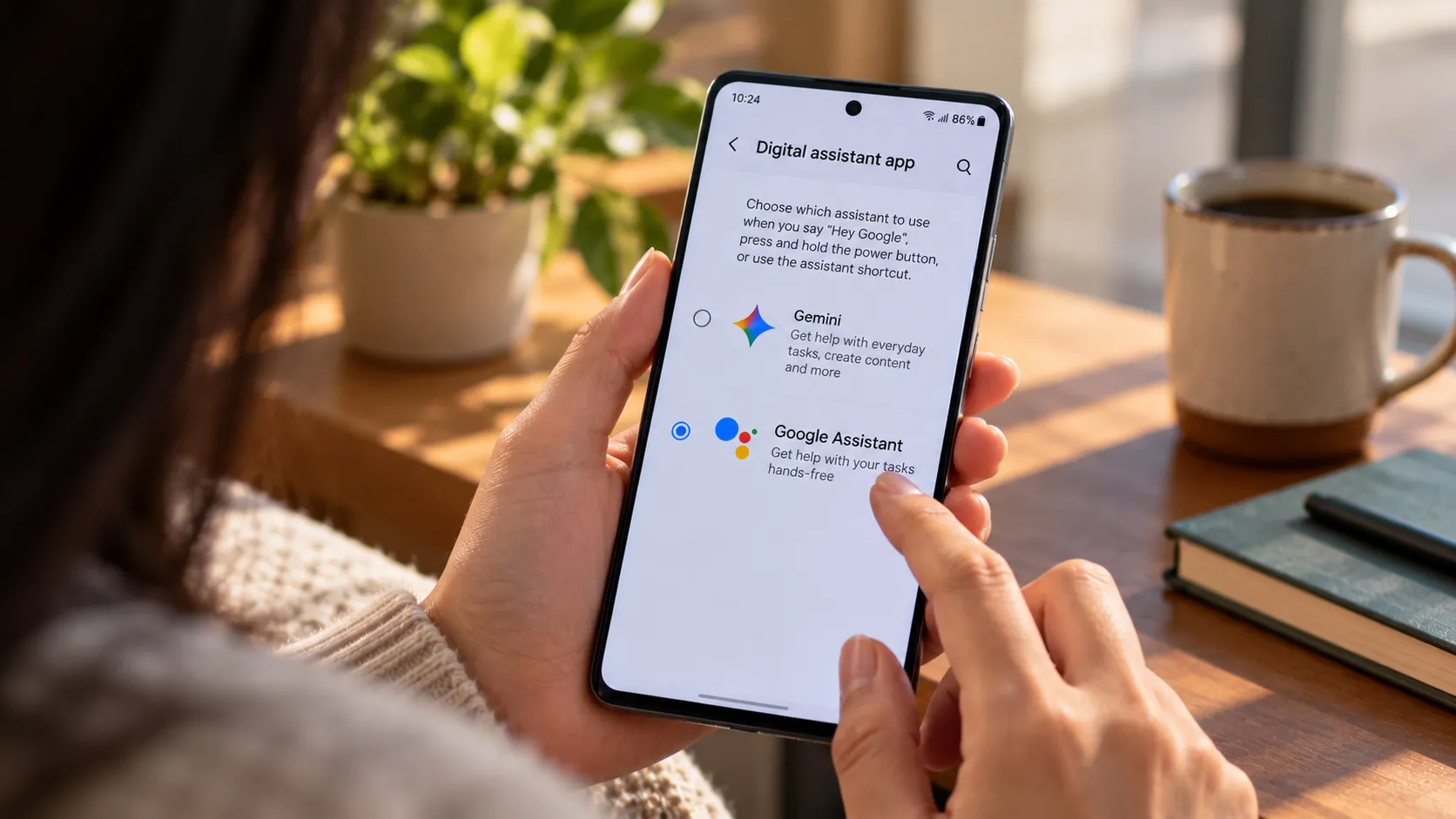
What's particularly exciting is how this integrates with Gemini's conversational capabilities. The AI can now provide detailed precipitation probabilities or air quality indexes in natural language, making complex weather data accessible to everyone. You're no longer just getting numbers—you're getting context and explanation. You can ask questions like "Should I bring an umbrella to the game tonight?" and get nuanced answers based on hyperlocal forecasting.
The hourly resolution fundamentally changes time-sensitive planning. Instead of knowing it might rain "sometime this afternoon," you'll know it's likely to start at 3:47 PM and clear by 5:20 PM. That level of precision opens up new possibilities for scheduling outdoor activities, optimizing commute times, and making weather-dependent decisions with confidence.
The bigger picture: Where weather AI is heading
Google is already expanding this approach beyond basic forecasting. The company is fusing Gemini's reasoning with decades of satellite and weather data to create systems that don't just predict storms, but identify which communities are most vulnerable to them.
This geospatial reasoning capability is already helping organizations like the World Health Organization forecast cholera outbreaks and assist groups like GiveDirectly in identifying households most in need of aid after floods. It's not just predicting what will happen—it's predicting who will be affected and how, creating a new category of predictive environmental intelligence.
The competitive landscape is intensifying as well. While competitors like OpenAI and Microsoft are developing AI weather tools, WeatherNext 2's speed advantage—delivering predictions in seconds rather than minutes or hours—gives Google a significant competitive edge. This isn't just about accuracy; it's about being able to update forecasts in real-time as conditions evolve, creating dynamic weather intelligence that adapts to changing situations.
Looking ahead, we can expect personalized weather insights and predictive rain windows for individual users. Imagine getting notifications not just that it might rain, but exactly when rain will start and stop at your specific location, tailored to your daily routine and preferences. The system might learn that you typically walk your dog at 6 PM and proactively suggest better times based on incoming weather patterns.
Bottom line: Why this actually matters
WeatherNext 2 represents something we don't see often in tech—a genuine leap forward that immediately impacts daily life. The combination of dramatically faster processing with accuracy improvements across virtually all weather variables means you're getting better information, faster, exactly when and where you need it.
What's particularly impressive is how Google has made this sophisticated technology feel seamless and natural. You don't need to understand Functional Generative Networks or ensemble forecasting to benefit from them. The improvements just show up in the apps you already use, making your daily weather decisions more informed and reliable without any learning curve.
Organizations are already using similar technology to forecast cholera outbreaks and predict infrastructure failures, showing the broader potential of AI-powered environmental intelligence. But for most of us, the magic will be in the small moments—knowing exactly when to leave for that outdoor lunch, understanding whether the weekend camping trip will work out, or simply feeling more confident about daily decisions that weather affects.
As this technology continues evolving and expanding across Google's ecosystem, we're moving toward a future where weather information isn't just more accurate—it's more actionable, more personal, and more integrated into the decisions we make every day. The question isn't whether AI will transform weather forecasting; it's how quickly we'll adapt to having this level of precision and insight readily available in our daily lives.





Comments
Be the first, drop a comment!