



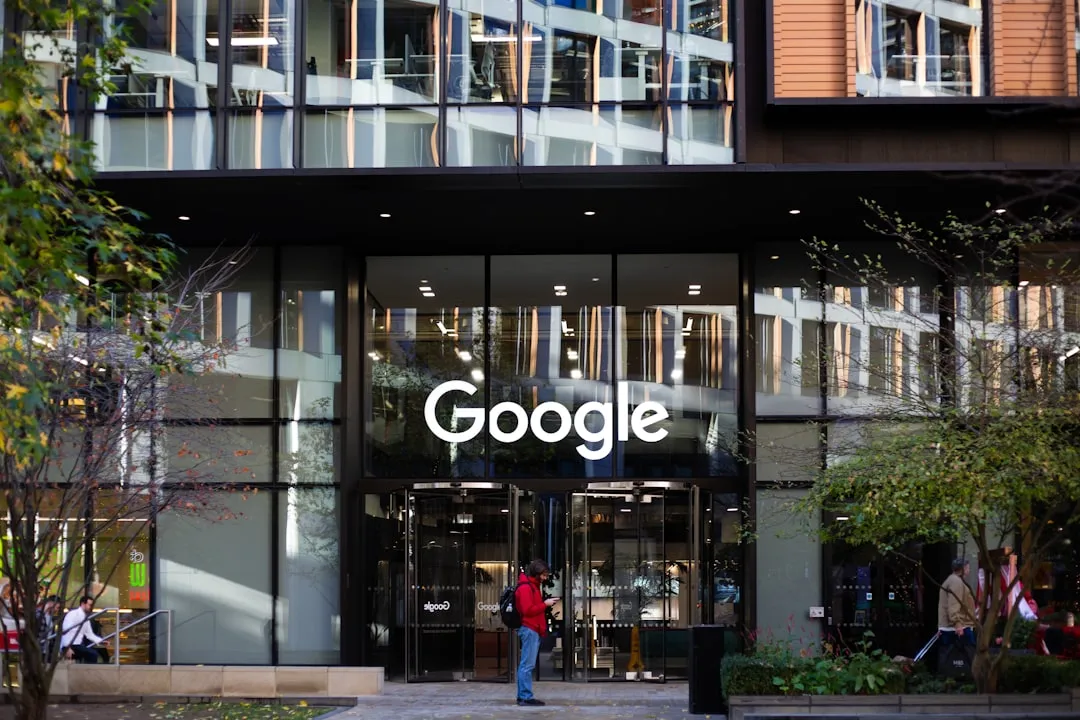
Google's transformation of search goes far beyond surface-level changes—we're witnessing a fundamental restructuring of how information flows from creators to readers. The search giant has made AI Overviews a permanent fixture while implementing dynamic title generation that personalizes headlines based on user context, query intent, and search behavior. This isn't just about better search results; it represents a seismic shift in content discovery, attribution, and the economic foundations of digital publishing.
The scale is staggering. Research reveals that 69% of AI Overviews contain word-for-word copies of original publisher content, while Google's title rewriting system now affects the majority of search listings. Publishers aren't just watching their carefully crafted headlines disappear—they're seeing their traffic evaporate as users find complete answers directly in search results, eliminating the need to click through to source sites.
The economic impact is brutal. Some publishers report traffic drops so severe they're questioning whether digital publishing remains viable, with industry analysts estimating losses between 20% and 60% of Google-referred traffic once AI Overviews become ubiquitous. The traditional symbiosis where Google sent traffic in exchange for indexing rights has completely broken down.
The publisher rebellion: Legal battles and coordinated resistance
The content industry's response has been swift and coordinated. Several high-profile lawsuits have emerged against major players including Google, with legal challenges spanning multiple jurisdictions. The European Publishers Council's formal antitrust complaint argues that Google has transformed from a recommendation system into an answer engine designed to keep users within its ecosystem.
What's remarkable is the scale of resistance. Recent surveys show that approximately one-third of publishers are now considering blocking Google's AI features, marking what could be the most significant publisher rebellion in search history. This isn't just about traffic metrics—it's about survival.
The mathematics are unforgiving. Take a concrete example: if someone had a blog earning $1,000 per month from search traffic, they'd now be making about $30 under the new system. For smaller publications already operating on thin margins, this represents an existential threat.
Legal complaints consistently center on three core issues: monopoly abuse, systematic traffic reduction, and unauthorized content reproduction. Perhaps most damaging is the allegation that Google provides users with free access to paid content by reproducing paywalled material in AI Overviews. When search engines can effectively bypass subscription walls, it undermines the entire foundation of digital journalism economics.
How AI headlines actually work: The technical reality
Google's title rewriting system represents a technological leap most people don't fully understand. This goes far beyond occasional snippet adjustments—Google now dynamically generates headlines based on user context, query intent, location, and search history. The same page can display completely different titles depending on who's searching and what Google's algorithms believe they need.
The system draws from multiple sources to construct personalized headlines. Google's algorithms scan page content, heading tags, anchor text from internal and external links, and structured data markup to build these contextual titles. The sophistication is remarkable: a single page might show a price-focused title to shoppers, a feature-focused version to researchers, and a location-specific headline to local searchers.
The August 2021 update marked the turning point, moving Google from passive display of webmaster-defined metadata to active title generation based on query context and content analysis. What began as occasional adjustments has evolved into a systematic approach affecting the majority of search listings.
Common rewrite patterns include H1 replacement, content extraction from body text, anchor text substitution, and integration of breadcrumb or navigation elements. Publishers report seeing their headlines replaced with versions that emphasize different content aspects, add geographic references, or completely restructure messaging based on Google's interpretation of user needs.
The technical reality: What publishers can control in the new landscape
Despite widespread title rewriting, original meta tags retain crucial importance for SEO strategy. Publishers who understand the new dynamics can implement targeted solutions. Publishers can update their robots.txt files to prevent Google's AI crawlers from accessing content while maintaining presence in standard search results.
Google has introduced specific user-agent tokens including Google-Extended that allow granular control over AI training and generation. This represents a technical compromise: publishers can maintain search visibility while opting out of AI systems.
However, this approach carries significant risks. Google hasn't committed to honoring these blocks indefinitely, and publishers worry that blocking AI features could trigger broader penalties, including reduced visibility in traditional search results. The power asymmetry between individual publishers and Google creates a climate of uncertainty.
The most sustainable strategy involves creating titles that genuinely represent content while maintaining consistency across on-page elements. Publishers who align their title tags, H1 headers, and content focus experience fewer unwanted rewrites while maintaining better control over their search presentation.
The misinformation risk: When AI gets headlines dangerously wrong
Real-world examples demonstrate AI-generated headlines can misrepresent content in ways that spread confusion or false information. One AI headline claimed "Steam Machine price revealed" when the original article made no such claim. Another example involved headlines about exploiting children in video games that completely mischaracterized articles about game mechanics.
These failures represent more than inconveniences—they show a fundamental breakdown in the relationship between headlines and content. When Google's systems generate headlines promising information that articles don't contain, it creates confusion and potentially spreads misinformation at scale.
The attribution problem compounds these risks. When AI Overviews synthesize information from multiple sources, attribution often becomes murky or minimal. A small citation link hardly compensates for the journalism, research, and expertise required to create original content. Publishers argue they're essentially subsidizing Google's AI development while watching their business models collapse.
Google's strategic imperative: Why these changes are inevitable
Google faces existential competitive pressures driving these changes. The company confronts unprecedented competition from AI-native search alternatives like ChatGPT, Perplexity, and emerging challengers. User expectations are shifting toward conversational, synthesized answers rather than traditional blue links.
Google must evolve or risk losing its dominant search position, regardless of publisher concerns. The company has attempted to address publisher worries through traffic attribution studies and promises of increased visibility for quality sources. However, these reassurances ring hollow to publishers watching their metrics decline in real-time.
The fundamental conflict is structural: Google's business incentive—keeping users within its ecosystem—directly conflicts with publishers' need to attract visitors to their properties. This tension echoes earlier battles over Google News and featured snippets, but the AI dimension adds unprecedented complexity because AI Overviews transform and repackage information in ways that make source attribution less clear.
Adaptation strategies: How successful publishers are responding
Forward-thinking publishers are developing comprehensive strategies to reduce platform dependence. Some are investing heavily in direct audience relationships through newsletters, apps, and subscription products that bypass Google entirely. Others are developing proprietary AI tools and chatbots that keep users engaged on their own sites.
This represents a fundamental restructuring of digital media economics, moving from scale and reach toward depth and retention. However, this transition favors established brands with existing audience loyalty, potentially accelerating the decline of smaller, independent publishers.
The most effective technical approach involves understanding that optimization now means aligning with Google's quality standards rather than attempting to manipulate search displays. Publishers should view Google's rewrites as feedback about potential misalignments between intended messaging and algorithmic interpretation.
PRO TIP: Regular monitoring through Google Search Console reveals patterns in when and how Google modifies titles, enabling targeted optimization responses. A/B testing helps identify which title formulations most effectively prevent rewrites while maximizing performance.
For large-scale operations, SEO services leveraging automation and AI can identify optimization opportunities far more efficiently than manual auditing. Machine learning models can analyze proposed titles against known rewrite patterns, flagging potential issues before publication.
The path forward: What comes next
The current standoff represents a referendum on the future structure of online information. Publishers face a stark choice: resist and potentially preserve their role as primary information sources while sacrificing visibility, or adapt and risk becoming invisible infrastructure supporting Google's AI products.
A middle path might emerge through negotiated arrangements that balance Google's AI ambitions with publisher sustainability. Such agreements could include revenue sharing, prominent attribution, or preferential placement for participating publishers. However, reaching industry-wide consensus will prove challenging given publishers' diverse circumstances and priorities.
The coming months will determine whether this rebellion marks a turning point in publisher-platform relations or simply another chapter in the long retreat before technological change. What remains certain is that the traditional symbiosis between search engines and publishers has fractured, possibly beyond repair.
Bottom line: The next generation of AI-powered search will either find new ways to sustain content creation or accelerate the consolidation and decline of independent digital publishing. Publishers blocking Google's AI features are making a calculated bet that short-term pain might preserve long-term viability—a wager that reflects both desperation and strategic thinking in equal measure.








Comments
Be the first, drop a comment!