



Googlebook Phone Unlock: What Android's Beta Code Reveals
Strings buried in Android 17 QPR3 Beta 1 describe a Googlebook Phone Unlock feature that could let a nearby, already-unlocked Android phone unlock a laptop-like device automatically. A teardown Android Authority published today found setup screens using a laptop-like render with a "G" logo, which the outlet says strongly suggests the target hardware is a Googlebook. None of this is announced. The reporting doesn't identify a confirmed device, release window, or public Settings path for the feature, so there's nothing a current Android or Chromebook owner can go try right now.
The strings sketch a phone-selection and enrollment flow, not a finished pairing process. A screen labeled "Choose your phone" sits alongside a dedicated Phone Unlock settings page that lets someone enroll or unenroll a phone, according to Android Authority. Once paired, the laptop could unlock when a user opens the lid, moves the mouse, or presses a key, as long as the enrolled phone is nearby and already unlocked itself. After that unlock happens, the phone gets a notification, with a tap-to-relock option built in if the unlock wasn't intended.
That trick isn't new for Google's laptop platform in the broadest sense. Android Authority updated its report specifically to note that phone-based unlocking already exists on Chromebooks. That update reframes the whole story: Google isn't inventing the idea of using a phone to unlock a laptop, it's apparently refining one for different hardware. Separately, NerdsChalk found dormant framework code naming a "Cross-Device Trust" feature inside an unreleased Pixel 10 Pro Fold beta about five weeks ago, a different build entirely from the one containing the Phone Unlock strings. Rather than ask whether Google's approach beats Apple's ecosystem trick, a comparison the available reporting doesn't support either way, this piece walks through what the code actually describes, what's genuinely new versus Google's existing Chromebook feature, how Cross-Device Trust might connect, and the security questions nobody has answered yet.
What Googlebook Phone Unlock code actually reveals
The clearest string reads "Use your phone to unlock this device," paired with a settings page the code describes as letting users enroll and unenroll a phone, per Android Authority. That's the evidence for setup: a phone-selection screen and enrollment controls, not a documented end-to-end pairing process. Nothing in the strings says whether more than one phone can be enrolled at a time, or what happens if an enrolled phone is lost or replaced.
The trigger behavior described is passive by design. The strings describe the laptop unlocking in response to any of three ordinary actions, lifting the lid, nudging the mouse, or pressing a key, as long as the enrolled phone is within reach and unlocked. That's a different interaction model than typing a PIN each time, and it's worth watching closely since the strings never define how "within reach" gets measured or what counts as the phone being "unlocked" beyond its own screen state.
The notification step is what separates this from a plain convenience feature. The strings say the phone receives a notification when the device unlocks, and tapping that notification can lock the laptop back down if the unlock wasn't intended, based on text Android Authority quoted directly. It functions as a built-in undo for a feature that otherwise removes the moment a user would normally notice something went wrong. Everything above comes from teardown-discovered strings and rendered setup screens, not a working demo on shipping hardware, so each detail should be read as described rather than confirmed.
What's new compared with phone unlock on Chromebooks today
Chromebooks can already unlock using a nearby phone, a point Android Authority added to its report after publication to set the record straight. The teardown newly documents three triggers for this possible Googlebook implementation: opening the lid, moving the mouse, and pressing a key. The reporting doesn't say whether current Chromebook Phone Unlock uses the same triggers or sends a comparable relock notification, so these details may be genuinely new behaviors, or they may simply be newly public because nobody had looked at this particular code path before.
That distinction matters more than it first appears. If the trigger set and notification step already exist on Chromebooks and this is just the first time they've surfaced in leaked strings, the news here is mostly about branding and target hardware, not functionality. If they're genuinely new, Google may be refining the unlock experience alongside whatever hardware the G-logo renders represent. The research doesn't resolve which of those is true, and that gap is the honest answer rather than a loose end to smooth over.
A more useful question than comparing Google's approach to Apple's is whether this beats Google's own existing Chromebook implementation. On the evidence available, that's still unresolved. Treating it as a settled upgrade would require specifics the teardown doesn't provide, like a side-by-side of trigger responsiveness, failure rates, or how each version handles a phone that's nearby but locked.
Does Cross-Device Trust connect to Phone Unlock?
NerdsChalk's teardown found dormant framework resources naming a "Cross-Device Trust" feature, including a "cross-device trust agent," inside an unreleased Pixel 10 Pro Fold beta. That's a separate build, found by a separate outlet, from the one containing the Phone Unlock strings.
Its described purpose lines up conceptually with Phone Unlock: letting another signed-in device help keep a phone trusted and unlocked. NerdsChalk frames it as a move beyond existing Smart Lock trusted-device options, with the focus on devices associated with the same signed-in user rather than Smart Lock's current model, which can treat any paired Bluetooth accessory as trusted regardless of who owns it.
The Phone Unlock strings use the internal prefix "cdt_," as in cdt_unlock_intro_text and cdt_unlock_screen_title, which lines up with "Cross-Device Trust." That prefix is a clue, not proof. The reports come from two separate teardowns of two separate beta builds, and neither confirms the two efforts share a codebase.
Even if they turn out to be connected, shared naming or shared infrastructure wouldn't prove the two features launch together, support the same devices, or carry the same security behavior. Phone Unlock could ship on Googlebooks with a narrower device list than whatever Cross-Device Trust eventually supports on phones, or vice versa. The more disciplined read: two independent teardowns are circling similar account-based trust concepts. That's worth watching, not treating as settled architecture.
What the strings don't confirm about security
The setup text includes a direct security warning. One string states that using a phone to unlock the laptop "may be less secure than a strong pattern, PIN, or password," according to Android Authority. The same reporting notes references to unspecified "hardware compatibility checks," without naming which phones or laptops would actually qualify.
That warning raises more questions than it answers. The strings don't explain how "within reach" gets measured, whether that's Bluetooth proximity, Wi-Fi, ultra-wideband, or some combination of the three. They don't say whether the laptop still requires a separate credential after a restart or an extended idle period. Nothing in the teardown describes how quickly the laptop re-locks once the paired phone actually leaves the room, which matters for anyone who'd use this in a shared office or a coffee shop rather than a locked home.
There's a useful point of comparison in how Google has handled a similar trade-off before. A teardown Android Authority published in 2024 found code suggesting Google was preparing an Identity Check feature that would require biometric confirmation for sensitive actions whenever a phone left a trusted location, specifically to stop someone holding a stolen device who already knew the PIN.
That earlier teardown wasn't proof of a finished feature either. It was based on unreleased code, and the reporting itself only said Google "appears" to be preparing the behavior. What it shows is that Google has explored stronger authentication specifically when a device leaves a trusted environment. Phone Unlock's own warning string suggests that same convenience-versus-security trade-off applies here too, but it doesn't confirm the connection method, the fallback credential behavior, or how the feature handles a phone that's nearby but has fallen asleep.
What "Googlebook" is, and isn't
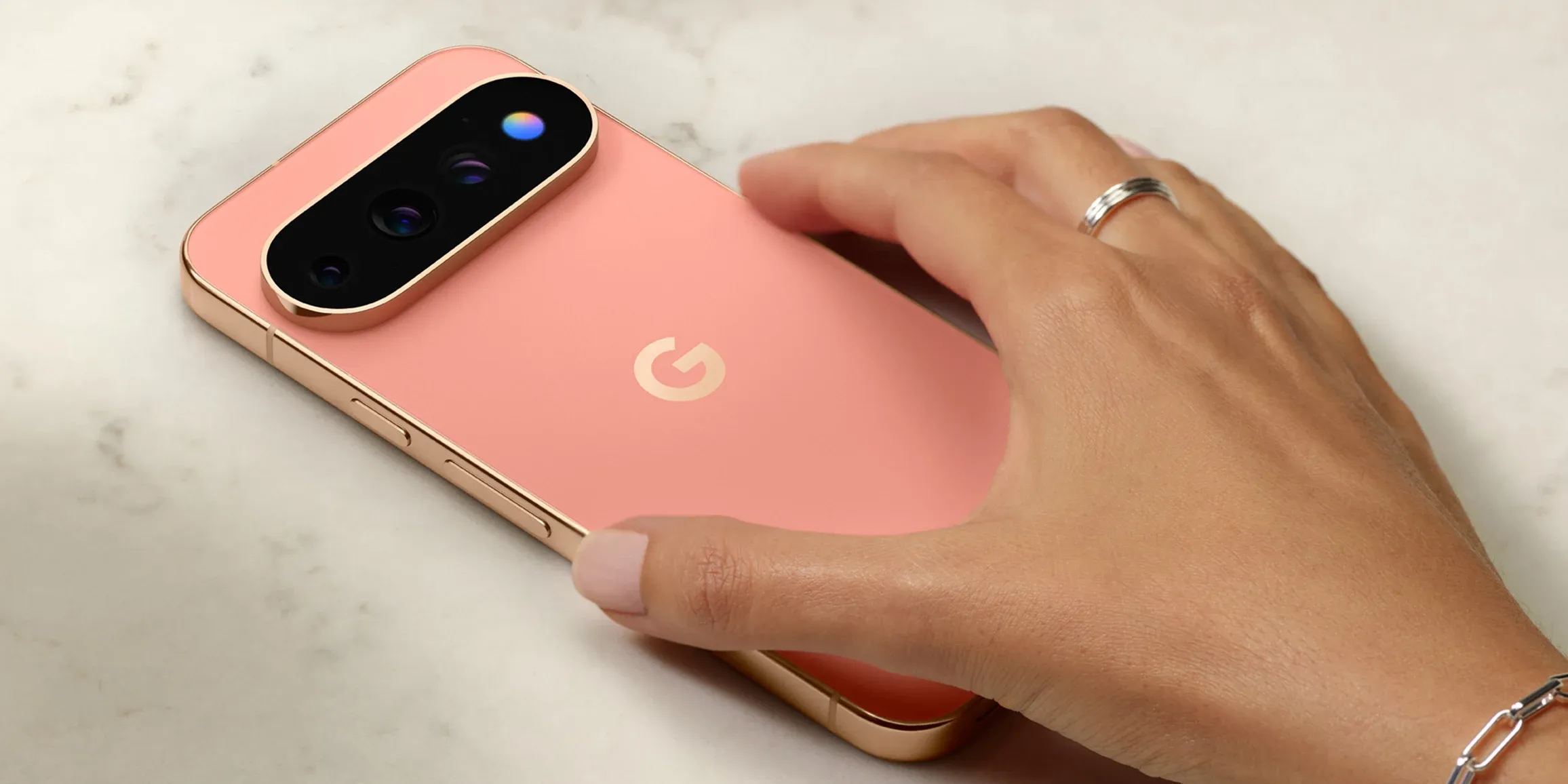
Android Authority's teardown uses "Googlebook" throughout and ties the name to the G-logo renders found in the setup strings, the clearest evidence connecting this code to that branding. Separately, Android Police described a Googlebook as a new premium, Gemini-first laptop category, a characterization from that outlet's own coverage earlier this year rather than an official Google announcement.
Taken together, the strings point toward a future way to unlock a Googlebook with an Android phone, but "Googlebook" itself is still a reported label rather than a confirmed product name. Treat it as a category name used by outlets covering Google's laptop ambitions, not as something Google has put on a spec sheet or a store listing.
What to do now
There is nothing to enable yet. Don't buy hardware or change a security routine based on this teardown. Wait for Google to document which phones and laptops qualify, how proximity gets measured, what happens after a restart or a long idle period, and how fast the laptop re-locks once the phone leaves. Until those specifics show up somewhere official, an enrolled phone shouldn't be treated as a replacement for a primary PIN, pattern, or password, no matter how smooth the setup screens look in a teardown.
Android Authority's own caveat is worth keeping in mind here, too: features found in work-in-progress code can change, slip well past any expected timeline, or disappear before reaching a public release. If a Googlebook does arrive with Phone Unlock built in, the details that matter most, supported devices, proximity method, and relock speed, will only be trustworthy once Google publishes them directly rather than leaving them to setup copy found in a beta APK.


Comments
Be the first, drop a comment!