



Google Wallet ID Passes EU Launch: Age Verification Arrives First
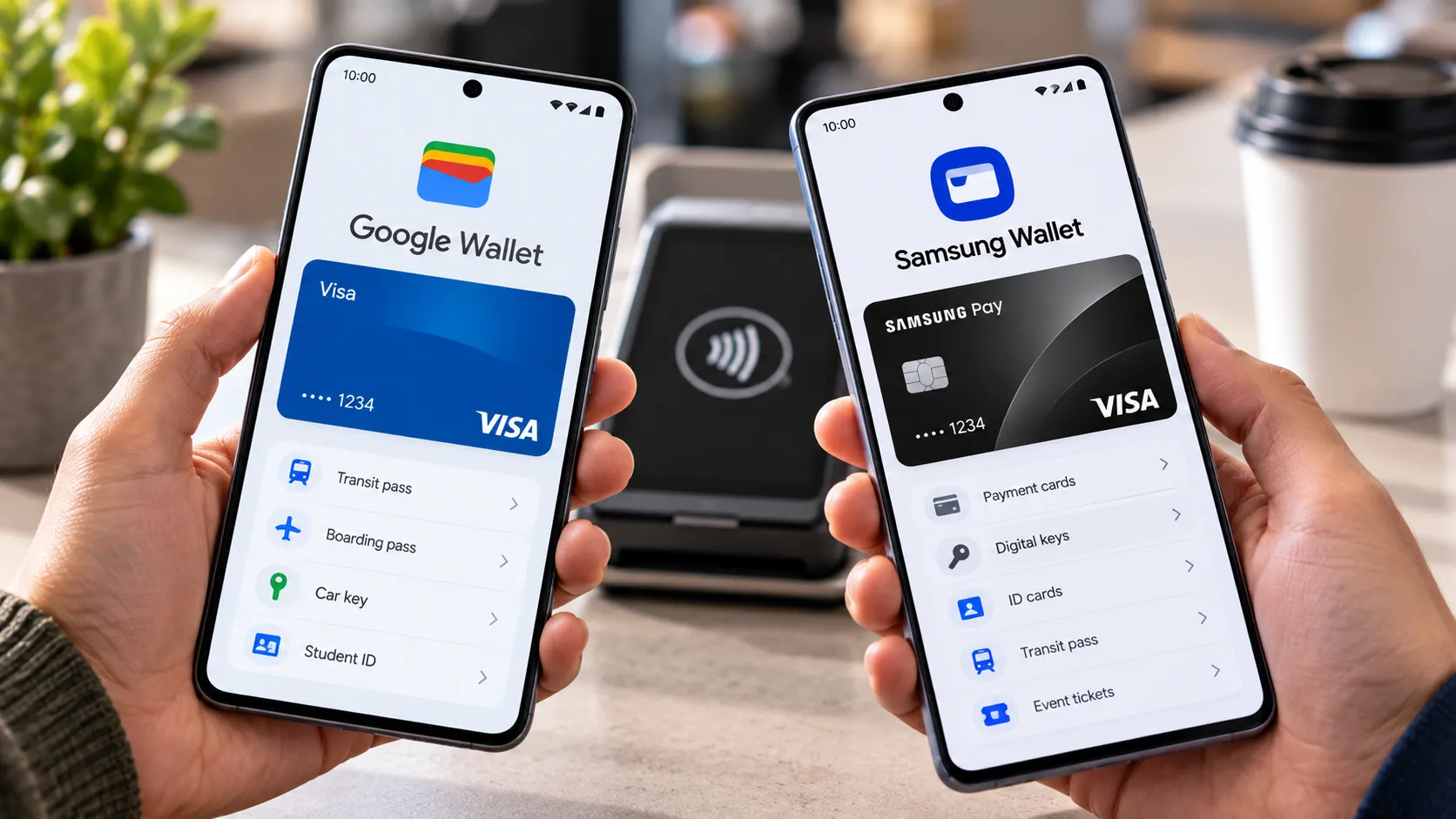
Google announced today that Google Wallet ID passes will come to select EU member states this summer, with a privacy-preserving age verification feature built alongside German savings bank Sparkasse as the first confirmed use case. Which countries are included, and what credential types will be supported, has not been specified.
The Sparkasse integration lets customers confirm their age through Wallet with a simple yes or no. No name, no address, no date of birth passes to the verifying party, Engadget reported today. For services that need to check user age without collecting full identity records, that distinction matters. It is also the feature that gives Google's timing a plausible explanation: a wave of age-verification legislation, not consumer demand, appears to be driving this rollout.
What the Google Wallet ID passes EU rollout actually includes
The confirmed details are narrower than the headline suggests.
Google has not named which EU member states are participating, nor clarified whether supported credentials will be passport-derived ID passes, government-issued national digital IDs, or both. That distinction carries real weight. Google's developer documentation uses a dedicated format identifier, com.google.wallet.idcard.1, for ID passes that differs from the standard ISO mobile driving license format, per Google's developer documentation. Users getting a passport-derived pass and those getting a government-issued mobile ID would hold different credentials with different acceptance footprints.
Enrollment follows the same pattern used in other markets: users record a short video selfie, scan a physical government ID, and let Wallet cross-reference the two before the credential is stored on-device, Engadget reported. The process requires Android 9 or higher. For online verification, cross-device flows require cryptographically signed requests, per the developer documentation, which means the underlying infrastructure is more involved than a simple tap-to-verify interaction.
One other change in the same announcement: Google has updated its Secure Payment Authentication so that EU customers can complete checkout on participating websites using biometric verification alone, without one-time passcodes or redirects to external verification pages, Engadget reported. That is a payment-flow improvement rather than a digital ID feature, but it affects the same users.
Age verification: why the timing points to legislation
Google began building age-verification capabilities in early 2025, responding to the U.K.'s Online Safety Act and a growing set of age-gate regulations in the U.S. and internationally, Engadget reported. Services subject to those rules need a way to confirm user age without accumulating full identity records and the liability that comes with them. Privacy-preserving age checks are a cleaner solution than what most existing methods offer.
Google added Zero-Knowledge Proof technology to Wallet in April 2025 to support this model. Rather than sharing personal attributes, the system confirms whether a user meets a threshold and nothing else, Engadget reported. The Sparkasse partnership is the first named EU deployment of that capability.
Worth flagging: the privacy claims here come entirely from Google's own materials. No independent technical validation of the zero-knowledge implementation appears in available reporting. The enrollment step that precedes any age check, capturing a video selfie and a government ID scan, involves its own data handling that deserves scrutiny before the downstream privacy story is taken at face value.
A prior deployment in the U.K. shows how the model works in practice. Google partnered with Rail Delivery Group to let passengers verify age eligibility for Railcards through Wallet on the railcard.co.uk platform, per Google's blog from last year. A single regulated institution agreed to accept Wallet-based verification, and that decision gave the credential a concrete, immediate purpose. The Sparkasse rollout follows the same structure.
The acceptance problem: availability is not the same as usefulness
In prior Wallet ID rollouts, usefulness has depended entirely on named partners and acceptance points. The EU launch starts with one.
Organizations accepting credentials through Wallet must complete a verifier onboarding process that typically takes three to five business days, per Google's developer documentation. Platforms managing verification on behalf of multiple downstream clients, a retail network or publisher group, for example, can onboard as a Verifier Registrar through a separate pathway. Verifiers are contractually prohibited from re-sharing credential data with third parties under Google's terms of service. That limits data flows, but it also means each new acceptance point requires a deliberate integration decision by an organization that has concluded Wallet verification is worth the build.
The U.S. experience illustrates what that looks like at scale. State-issued mobile IDs became usable at TSA checkpoints in dozens of airports through specific government partnerships, per Google's blog. Users in Arizona, Georgia, Maryland, and New Mexico can also use mobile IDs at the DMV. The U.K. Railcard check exists because Rail Delivery Group built the integration. Utility arrived through named partners, not through broad availability, and that pattern took time to develop in each market.
Sparkasse's actual reach at EU launch, which customers, which merchants, which use cases, has not been specified. That is the number that will determine whether this summer's rollout is consequential or merely present.
There is also a standards question worth noting without overstating. Google's approach relies on the ISO mdoc credential format and OpenID4VP 1.0, and its Android and Chrome APIs allow third-party wallet apps to connect to the same relying parties, per Google's documentation from late 2024. Whether that architecture aligns with EU certification requirements is a question Google has not publicly addressed, and the answer will affect how broadly the credential can be used across European services.
What EU Android users should actually expect
For most Android users in Europe, the honest answer is: not much yet.
Country availability has not been announced. Credential types are unconfirmed. The only named use case is Sparkasse-based age verification, which serves Sparkasse customers in whatever context the bank deploys it. Google has been explicit across every market that Wallet ID passes are not a substitute for a physical document, per Google's blog. Keep your physical ID.
The privacy protections that do apply are substantive, at least as described. Government-issued credentials are stored encrypted on-device. Google's servers are not involved in provisioning or managing stored IDs. Lost devices can have stored credentials remotely wiped, according to Google's documentation. Google describes those protections in its documentation, though independent validation is not cited in available reporting.
The EU announcement sits inside a broader international expansion. Passport-derived ID passes have rolled out to Singapore, Taiwan, and Brazil, and Aadhaar verifiable credentials arrived in India through a partnership with the country's national identity authority, UIDAI, per Google's blog from last month. The EU is the next market in that sequence.
What happens next depends on which countries join, what credentials are supported, and whether more verifiers sign on after launch.








Comments
Be the first, drop a comment!