



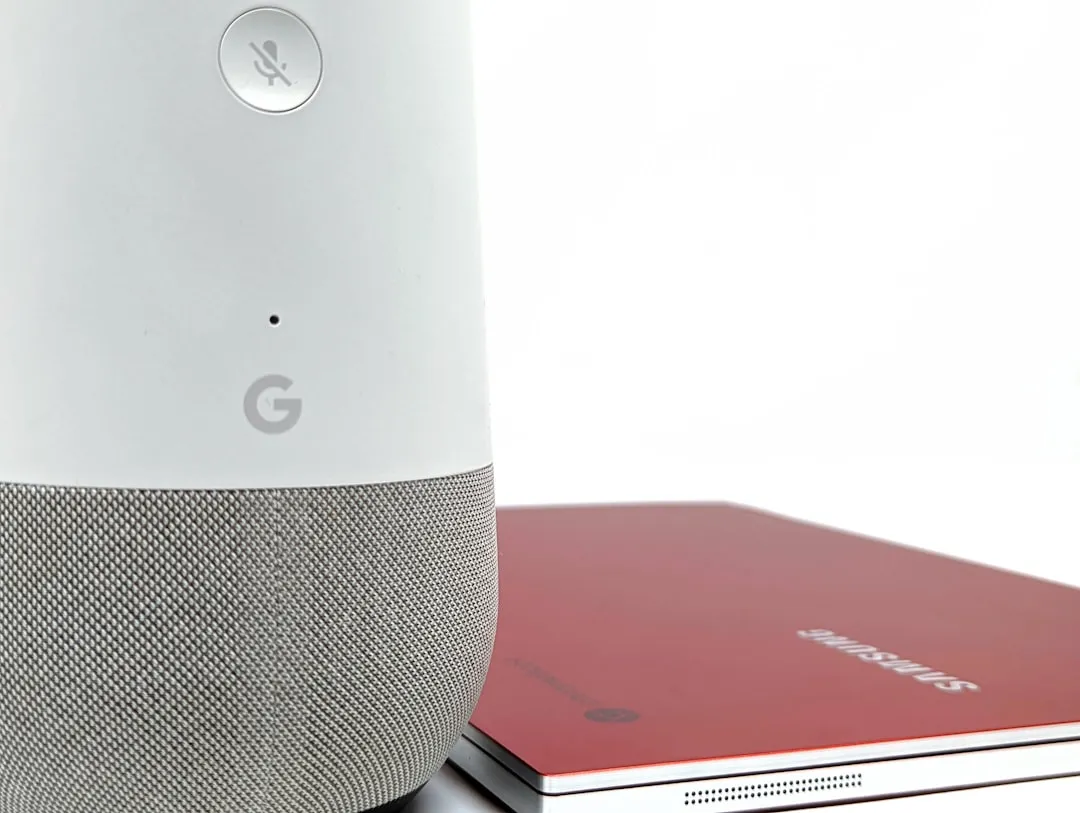
When you use voice search in the Google app today, you're interacting with AI in a more conversational, real-time way than traditional text search allows. Google's voice search interface is embracing the Gemini aesthetic in ways that go far beyond surface-level visual changes.
The transformation shows Google's broader strategy to weave its advanced AI capabilities into every touchpoint. Google is reportedly making a major overhaul of the Gemini app experience, with company executives confirming what they're calling a "massive investment" in Gemini App UX 2.0. Simultaneously, Google's Search Live conversations in AI Mode are now supposedly more fluid and expressive, while Google has launched a major update to the Gemini Live voice feature that industry observers see as a direct challenge to competing voice assistants.
What makes this convergence particularly strategic is how these three developments work together to create a cohesive ecosystem where voice, visual, and conversational elements seamlessly integrate. The timing isn't coincidental—Google is positioning Gemini as the unified aesthetic language across all its AI touchpoints.
What makes this aesthetic shift genuinely transformative?
Here's what's different: the move to Gemini aesthetic isn't just about choosing prettier interfaces. It's about creating contextually intelligent experiences that understand not just what you're asking, but how you need the information delivered. Gemini 3 introduces what Google calls "generative interfaces," which allow the AI model to make autonomous decisions about what type of output best fits each user prompt.
Think about it this way—when you voice search for travel recommendations, the system doesn't just return a list of results. It might automatically generate a magazine-style interface complete with interactive modules, personalized images, and follow-up questions like "How many days are you traveling?" or "What kinds of activities do you enjoy?"
The visual transformation is a step above the static search results to dynamic, adaptive responses. When asked to explain a concept, Gemini 3 may support a diagram or generate a simple animation if it determines visual representation would be more effective than text. As Josh Woodward, VP of Google Labs, Gemini, and AI Studio, explains, Google's "Visual layout generates an immersive, magazine-style view complete with photos and modules".
What this means in practice: imagine asking a voice query about quantum physics and receiving back not just an explanation, but a custom-built interactive learning module designed specifically for your level of understanding.
Behind the scenes: the technical innovations driving natural interaction
The aesthetic transformation is powered by sophisticated multimodal processing capabilities that bridge the gap between voice input and visual output. Gemini processes text, images, and data streams with remarkable fluency, enabling it to create contextually relevant interfaces that adapt to both the content being requested and the user's interaction patterns.
What's particularly impressive is how Google has enhanced the voice interaction to feel genuinely conversational. Gemini Live features real-time speech rate adjustment, emotionally responsive tone, personalized accent switching, accessibility optimization, and deep multimodal integration. The system can support stylistic voices such as cowboy accent, London accent, and retro announcer style, but here's what makes it truly remarkable: Gemini has already begun to simulate "the breathing and rhythm of human speech".
The next time you use Gemini Live, pay attention to the natural pauses and breathing patterns. It's one of those details that makes the interaction feel uncannily human-like.
This creates an interaction experience where the AI doesn't just understand what you're saying—it responds with the appropriate visual interface while maintaining the conversational flow. The system can uncover "hidden connections" between topics, allowing for more nuanced search experiences that anticipate related information you might need.
The user experience revolution: from reactive to proactive
This shift toward the Gemini aesthetic changes our expectations of how search should work. The new Explore page acts as an intelligent assistant that anticipates user needs, moving beyond reactive search to proactive assistance. Users can now compare up to five terms simultaneously—double the previous limit, enabling more comprehensive research workflows.
But the real game-changer is how Google Gemini 3 allows AI to dynamically construct entire user interfaces on the fly, creating bespoke applications based on simple user prompts. This capability represents a profound paradigm shift, moving beyond traditional static interfaces to an era where AI acts as a co-designer.
From my experience testing these features, it's like having a personal interface designer that creates custom applications for every query. Ask about meal planning, and you might get a interactive weekly planner with shopping lists and nutritional breakdowns. Ask about learning guitar, and the AI might generate a practice interface with chord diagrams and progress tracking.
The reception has been striking: initial reactions from the AI research community and industry experts have been overwhelmingly positive, with many calling it a "third user-interface paradigm" in computing history. That's a bold claim, but when you experience generative interfaces firsthand, it becomes clear why experts see this as paradigm-shifting rather than merely evolutionary.
Competitive implications: the new AI interface arms race
Google's aggressive push into Gemini aesthetics creates significant pressure across the tech industry. This development presents a formidable challenge and an urgent call to action for companies like Microsoft, Amazon, and Meta Platforms, which are heavily invested in AI development.
The competitive dynamics are intensifying rapidly. The competition to develop equally sophisticated or superior generative UI capabilities will likely intensify, leading to what industry analysts are calling an AI-powered design tools arms race.
Beyond the tech giants, this shift impacts entire industries. Traditional UI/UX design agencies and in-house design teams may need to rapidly evolve, shifting from manual design processes to prompt engineering and AI-guided design refinement. Market positioning will increasingly depend on a company's ability to leverage generative AI for creating intuitive, efficient, and highly customized user experiences.
Bottom line: We're witnessing the emergence of a new competitive battleground where success depends not just on having powerful AI, but on creating AI that can design and build interfaces as effectively as human designers.
Looking ahead: the future of adaptive digital experiences
The integration of Gemini aesthetics into Google's voice search signals the beginning of a much larger transformation in human-computer interaction. Google can offer unparalleled user experiences that are deeply personalized and highly dynamic, potentially increasing user engagement and loyalty in ways we're only beginning to understand.
What excites me most about this development is how users will experience a more intuitive and less frustrating digital world, with interfaces tailored to their immediate needs. No more forcing your thinking to fit rigid interface constraints—the interface adapts to match your mental model of the task.
Looking ahead, Google will likely expand the types of interfaces AI can create, moving towards more complex, multi-modal applications. Experts predict a surge in "prompt engineering" for UI design, requiring new skills for effective interaction with AI-powered design systems.
The transformation we're witnessing isn't just about making search prettier or voice interactions more natural—it's about fundamentally reimagining how humans and computers communicate, collaborate, and create together. From what I can tell, we're still in the early stages of this particular revolution, and the implications for how we work, learn, and interact with digital systems are just beginning to unfold.



Comments
Be the first, drop a comment!