



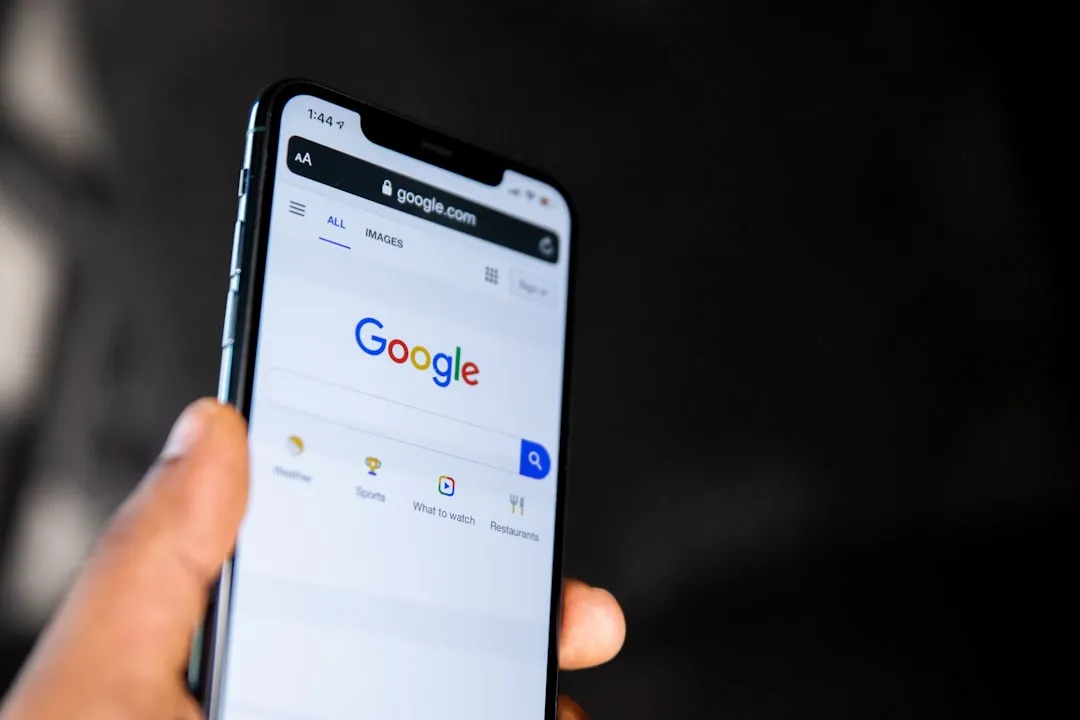
Google Search Profiles for Creators: Who Qualifies and What It Means
Google launched Search profiles today, giving eligible creators and publishers a claimable, customizable page inside Search where they can consolidate their bio, content links, and social presence into a single branded destination. The feature supplements standard search results without altering how links rank in ordinary queries. For creators who qualify, it offers something specific and limited: a managed identity inside Google's own surfaces, connected directly to a follow-based discovery system designed to keep audiences inside the Google app.
Google says the feature is for publishers and creators, with eligibility tied to an existing sizable following on a major social or video platform, according to the Google Blog. The company has not published a follower threshold.
The launch came one day after Google announced a new Search Console toggle letting website owners opt out of appearing in AI Overviews and AI Mode, with the explicit trade-off that opting out removes all traffic from those features, per the Google Blog. Taken together, the two announcements suggest a coherent shift in Google's posture: formal control mechanisms for publishers wary of AI features, and a branded foothold inside those features for creators willing to engage with them.
What Search profiles actually do and what they don't
A Search profile is a dedicated, shareable page where eligible creators can display an avatar, bio, website, and linked accounts across social and video platforms, with their latest articles, videos, and posts pulled into a single searchable destination. Creators control the fields; they do not control layout, ranking prominence, or how frequently the profile surfaces, according to the Google Blog.
Google frames the feature as providing "accurate, up-to-date information about sources on Search." That framing positions profiles as a trust layer, not only a branding tool. The stated rationale is as much about helping audiences verify who they're reading as it is about helping creators promote themselves.
Profiles are reachable three ways: through a creator's content in Discover, via a new button on their mobile Knowledge Panel, and through a direct URL, Variety reported today. They sit alongside the main results page, adding a layer to Search rather than rewriting it.
One mechanic worth flagging: claiming a profile can trigger the creation of a Knowledge Panel for eligible accounts, and existing panels get updated with a current avatar, latest content, and a direct profile link, per Variety. In some cases, the panel may also carry an AI-generated bio, distinct from AI Overviews, meaning Google may author part of a creator's Search-facing identity alongside whatever the creator submits.
Who can claim a Google Search profile and what the eligibility requirement reveals
Access requires a "sizable following" on at least one major social or video platform, per the Google Blog. Google has not defined what sizable means. Creators currently have no published threshold to check against.
The rollout is U.S.-only at launch. Google says it plans to expand to more regions and add capabilities in the coming months, Variety reported.
The eligibility metric is not new. Google began displaying creator-specific signals in search results in late 2023, surfacing social handles, follower counts, and content popularity alongside results to help users identify creators they already follow, per the Google Blog. Search profiles formalize that same social-scale signal into something creators can actively claim and shape.
For creators who don't qualify, including independent newsletter writers, niche subject-matter experts, and smaller publishers without large platform audiences, the practical implication is clear: Google is rewarding existing social scale, not surfacing emerging voices. The feature doesn't discover new talent; it elevates creators who have already built audiences elsewhere. Google Search profiles for publishers and creators with established followings, then, function less as a discovery tool and more as a formalization of existing prominence.
How Search profiles fit into Google's follow-based discovery system
Search profiles don't exist in isolation. In September 2025, Google added a follow feature to Discover, letting users subscribe to specific creators and preview a cross-platform mix of articles, YouTube videos, and posts from X and Instagram before committing, per the Google Blog. The profile feature plugs directly into that infrastructure. Following a creator via their Search profile feeds the same subscription layer Google built out last year.
That follow mechanic has a specific routing logic. When someone follows a creator from a Search profile, they become more likely to see that creator's content in Discover, the personalized feed on the Google app home screen, rather than being sent to the creator's own site, Variety reported. The profile is an entry point; Discover is where the ongoing relationship lives. Both are Google-controlled surfaces.
For eligible creators, the primary value is not ranking uplift. Google has not indicated profiles affect standard search rankings. The value is a managed presence that can convert a one-time search into a durable follow relationship, with Google as the platform hosting that relationship.
That distinction carries more weight in the current environment. Organic click-through rates dropped 61% in queries where an AI Overview appeared, between June 2024 and September 2025, according to an analysis by digital marketing agency Seer Interactive, cited by Variety. That figure comes from one agency study rather than a Google-confirmed data set, so it should be read as directional rather than definitive. The direction, though, is consistent with what publishers have been reporting broadly.
What eligible creators should actually expect
Search profiles are live today in the U.S. The immediately verifiable outcomes, each tied to sourced claims, are:
- A claimable branded page in Search with a bio, avatar, website, and linked social and video accounts, per the Google Blog
- Possible Knowledge Panel creation for eligible accounts, or an update to existing panels with current avatar, latest content, and a direct profile link, per Variety
- A follow path routing audiences into Discover rather than back to a creator's own site, per Variety
- No evidence of any ranking benefit in standard search results
Search profiles are a reputation and audience-capture tool inside Google's ecosystem, not an SEO lever. The feature's value compounds if Discover followers eventually convert to newsletter subscribers, site visitors, or paying customers. Google's current architecture, though, routes follows through Discover, not outward to creators' own properties.
The question that remains open: do Discover followers eventually generate referral traffic back to creators' own sites, or do they build a Google-native audience that never leaves the app? No independent data on that referral behavior exists yet.


Comments
Be the first, drop a comment!