




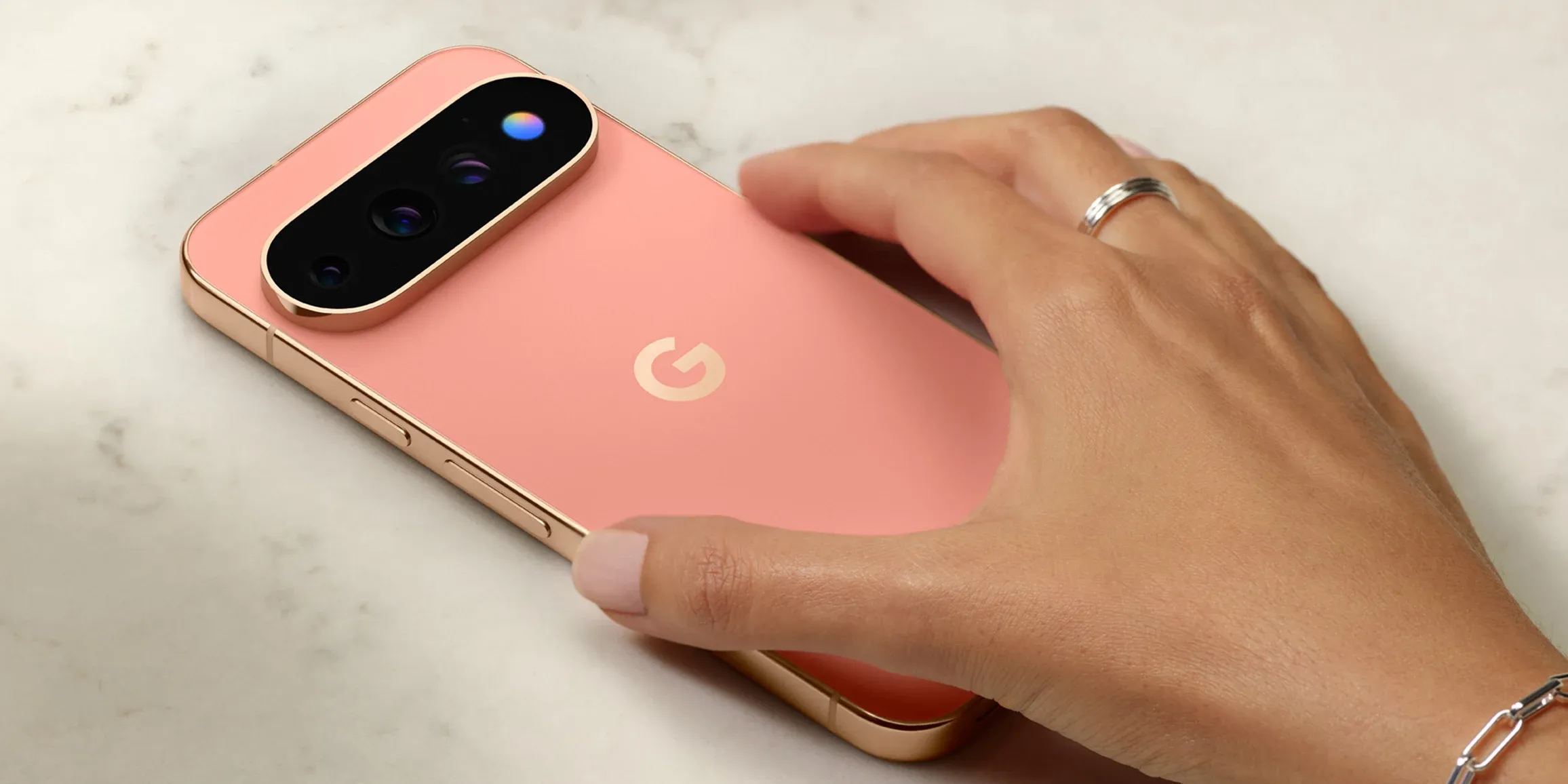
Google just quietly updated the Pixel Camera app to version 10.3, and buried in the changelog is something that's been nagging at me: the company renamed "Pro Res Zoom" to simply "Pro Zoom." According to 9to5Google, this change appears throughout the Pixel 10 Pro's camera interface, from settings pages to processing prompts. It's a small tweak, but it raises a bigger question—why wasn't it always called this?
The timing feels deliberate, and here's why: Google's 100x zoom feature leverages advanced AI processing through the Tensor G5 chip and Gemini Nano to generate missing details beyond optical limits, as detailed by WebProNews. The original "Pro Res Zoom" name implied resolution enhancement from existing image data, but the reality is more complex—and potentially more controversial. The name change signals Google's shift toward clearer branding that doesn't overpromise what the technology actually delivers.
What's really happening behind that 100x zoom
Here's the technical reality: the Pixel 10 Pro maintains the same camera hardware as its predecessor, featuring 5x optical zoom capabilities, according to Android Gadget Hacks. Everything beyond that 5x threshold relies on what the system calls computational photography. The AI doesn't just enhance existing image data—it actively generates content to fill gaps where optical information simply doesn't exist.
When you zoom past the hardware's optical limits, the system analyzes the scene and synthesizes details seamlessly, as explained by WebProNews. The technology builds on Google's established Super Res Zoom foundation but takes a significant leap forward by employing generative AI for scene reconstruction. This approach excels in well-lit conditions but faces criticism for potential artifacts in challenging scenarios.
Testing against dedicated optical zoom cameras like the Nikon Coolpix P1100 reveals where AI excels and where it stumbles, based on comparisons by The Verge. The AI sometimes transforms lamps into windows or gives clock faces a surreal appearance, highlighting the fundamental challenge of generating content that never existed in the first place.
But here's where things get interesting: the AI actually outperforms traditional optics in certain scenarios. Where atmospheric interference like heat haze distorts what optical systems can capture, the AI can correct for these distortions and deliver cleaner results. You're essentially trading optical truth for computational best-guess reconstruction—and sometimes that guess is better than what physics alone could provide.
Why the name change matters more than you think
The shift from "Pro Res Zoom" to "Pro Zoom" reflects a broader industry conversation about AI authenticity in photography. Industry experts have described the feature as raising questions about whether this represents creative enhancement or a step toward diminishing photographic authenticity, as noted by WebProNews. The original name suggested you were getting enhanced resolution from existing image data, but the reality involves content generation that goes far beyond traditional image processing.
This rebranding coincides with Google's strategic positioning of the feature within a holistic AI ecosystem that includes Camera Coach and Auto Best Take, according to WebProNews. The company emphasizes rigorous training on diverse datasets to ensure ethical outputs and avoid biases in generated content, suggesting Google recognizes the need for transparency about what users are actually getting when they hit that 100x zoom button.
The rename also coincides with mixed reception from photography professionals and enthusiasts. Critics argue the technology ventures into "AI slop" territory, potentially fabricating details that could mislead viewers in journalistic or evidentiary contexts, as reported by WebProNews. Meanwhile, supporters praise its ability to democratize high-end photography capabilities for everyday users without requiring bulky equipment.
"Pro Zoom" is more honest about what's happening—you're getting a professional-grade zoom experience, but not necessarily through traditional optical means. It's a subtle but important distinction that helps set clearer expectations about the technology's capabilities and limitations.
What this signals about Google's camera strategy
The branding evolution connects directly to Google's calculated approach to managing user expectations around AI-enhanced photography. The Pixel 10 Pro product listings have been updated to reflect the new "Pro Zoom" terminology, according to 9to5Google, with the change reflected in processing prompts and other descriptions. This consistency across all user-facing elements demonstrates that the change was strategic rather than incidental.
Comparisons with competitors like Samsung's Galaxy S25 Ultra, which relies more heavily on optical hardware for its 100x capabilities, highlight Google's software-driven approach, as noted by WebProNews. Google's bet on AI-centric hardware design leverages the Tensor G5's efficiency for on-device processing, reducing latency and privacy concerns compared to cloud-based alternatives.
This strategic positioning becomes clearer when you consider how Google integrates Pro Zoom alongside features like Camera Coach, which uses Gemini to provide photography tips, and Auto Best Take, which combines multiple images into a single, artificially perfect moment. These features collectively represent a philosophical shift from capturing reality to crafting the best possible image outcome, regardless of whether that moment actually existed.
The company's ongoing algorithm refinements based on user feedback, with surveys indicating room for improvement in realism, according to WebProNews, show Google's commitment to addressing authenticity concerns while maintaining the feature's innovative edge. Adoption rates are climbing, with user-generated examples garnering significant social media attention and fueling broader industry discussions about AI's role in mobile photography.
Where do we go from here?
The "Pro Zoom" rebrand represents more than cosmetic marketing—it signals Google's recognition that clear communication about AI capabilities is essential for user trust. The feature exemplifies Google's broader bet on AI as the future of photography, balancing innovation with the need for transparency, as emphasized by WebProNews. As the technology matures, it could set new industry standards, provided Google continues addressing authenticity concerns head-on.
Here's what's really at stake: we're witnessing a fundamental redefinition of what constitutes photography in the smartphone era. When your phone can correct atmospheric distortion, fill in missing details, and enhance resolution beyond optical limits, are we still taking photos or creating digital art? The answer probably depends on your perspective and use case, but the implications extend far beyond individual snapshots.
The name change feels like the right move—"Pro Zoom" is cleaner, more honest, and doesn't oversell what the technology delivers. It acknowledges that this isn't about resolution enhancement alone, but about a fundamentally different approach to long-range photography. Whether this approach becomes the industry standard or remains a Google experiment will depend largely on how well the company continues balancing innovation with user expectations and photographic integrity.
Bottom line: Google's quiet rebrand reflects a company grappling with the implications of its own technology. By simplifying the name, they're making a subtle but important statement about transparency in an age where the line between captured and created imagery continues to blur. That's probably worth paying attention to, even if most users never notice the difference.









Comments
Be the first, drop a comment!